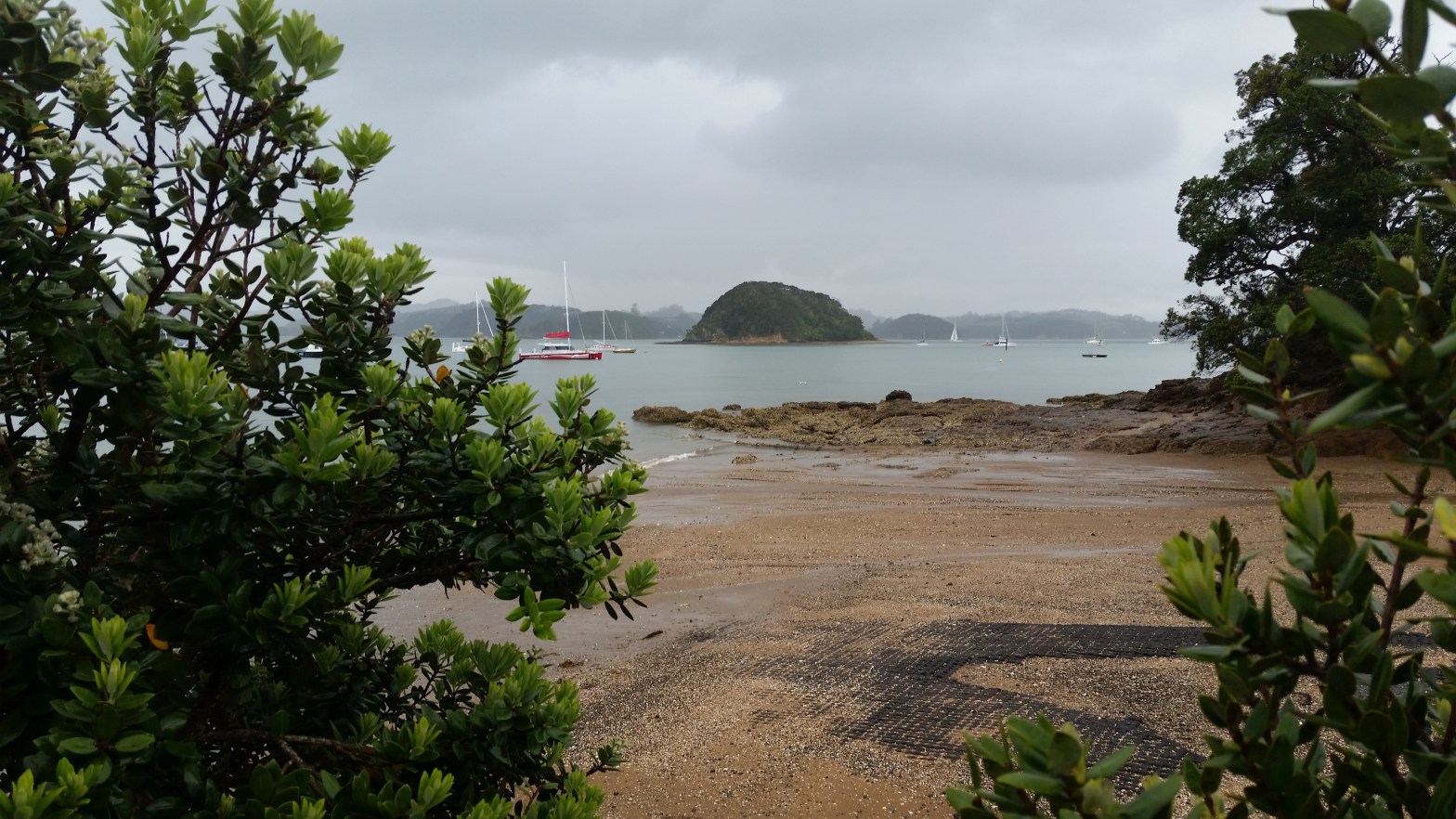
Australia and New Zealand Mini Series Part 17: West Auckland, New Zealand: Piha and Karekare Beaches

This is the seventeenth in my series of short reflections on different places in Australia and New Zealand, which I visited in November 2019. Today is the first of my posts on New Zealand’s North Island.

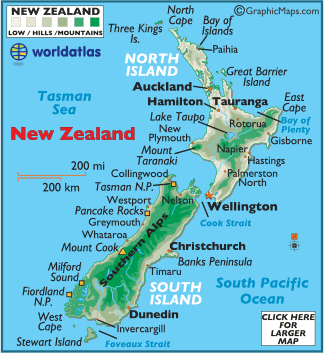
map of New Zealand
map of New Zealand
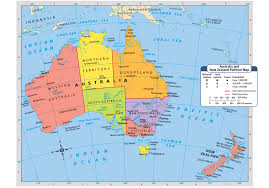
Map of Australia and New Zealand

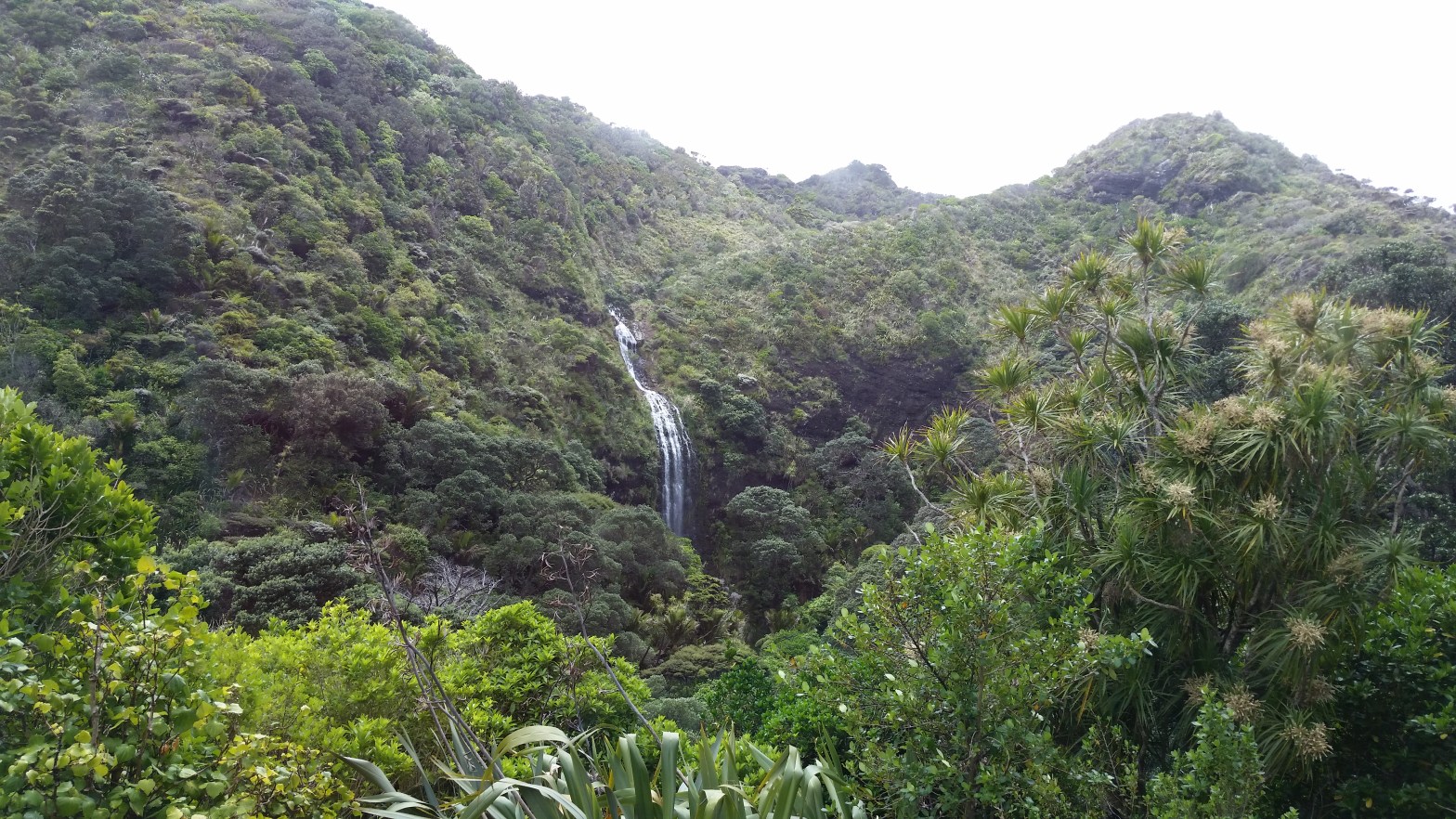
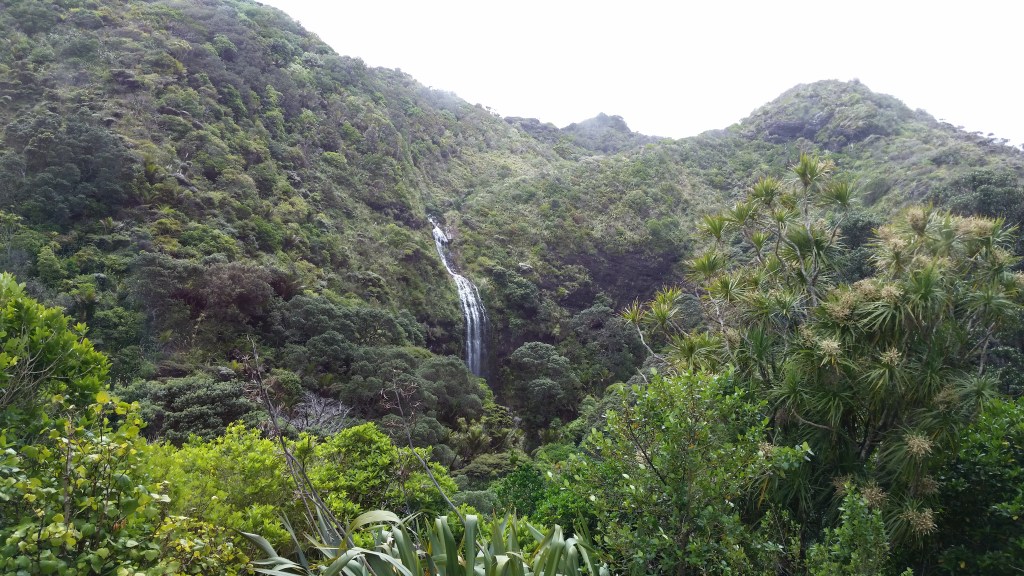
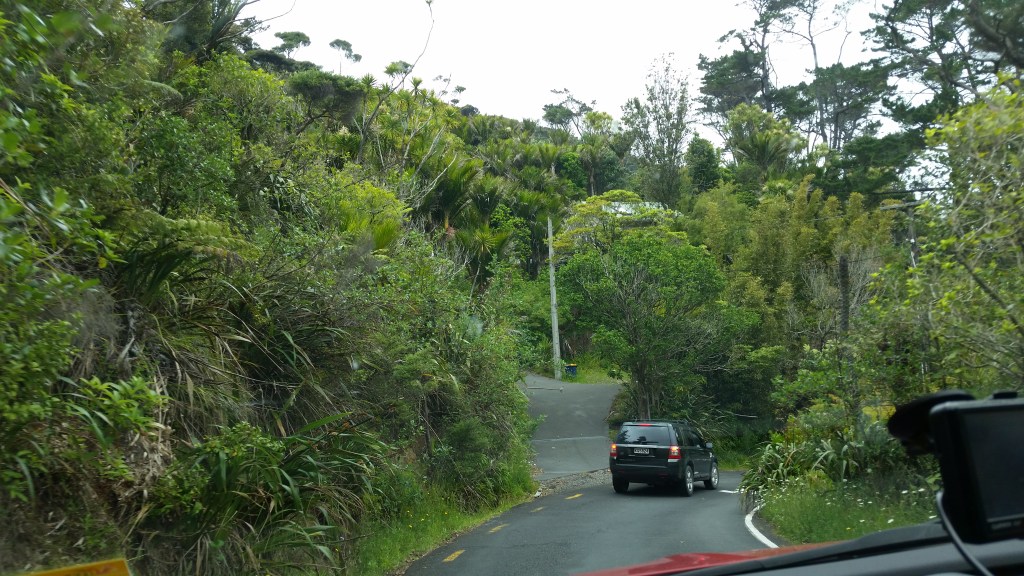
We flew into Auckland from Brisbane, and our first experience of the spectacular scenery was in West Auckland. Driving along the narrow, winding Piha Road, I was particularly struck by the rich, vibrant forests rising up high on either side of us, in which we identified giant tree ferns, casuarina, honeysuckle, callistemon and pandanus. The intense green reminded me of the paintings of Gaugin in Tahiti.

First we drove to the car park for visitors to Karekare Beach – where scenes were filmed for The Piano.

In fact, it’s hard to go to any spectacular New Zealand location that hasn’t already featured in a major film. Later on our trip we were to visit the Hobbiton movie set in Matamata that was used for The Lord of the Rings films, and the sublime Cathedral Cove which featured in the opening scene of Prince Caspian.

A scene on Karekare Beach from the film The Piano

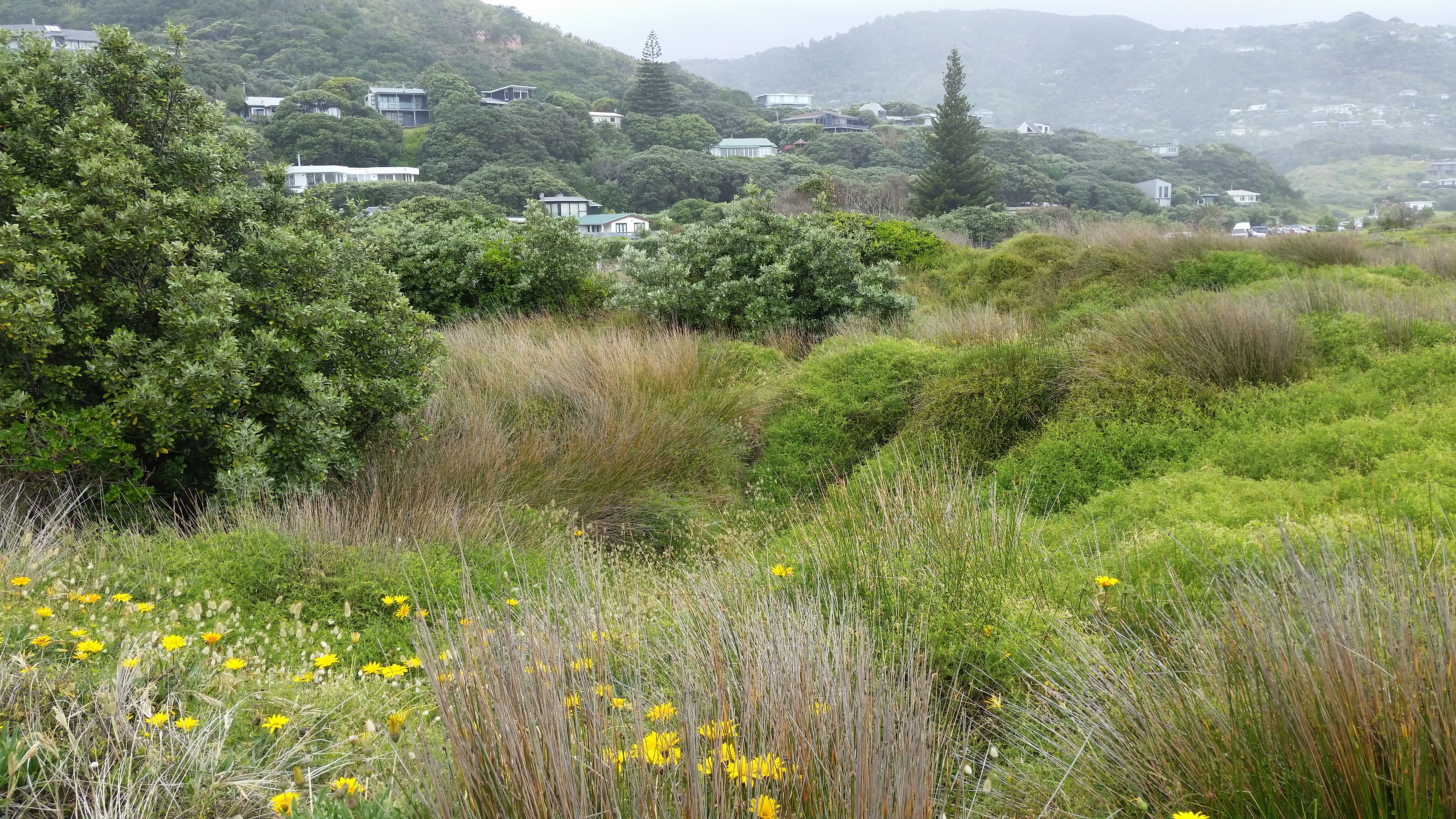
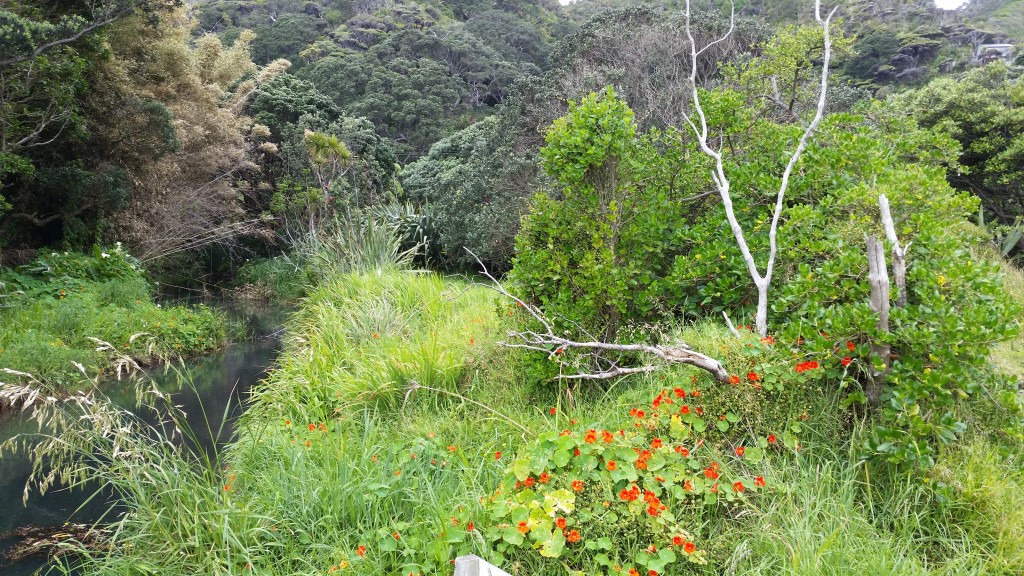
The west coast of Auckland we also found to be a glorious setting, as we walked along the black sand track that leads to the beach, past rich flora and greenery.

Along the path to Karekare Beach
on the path to Karekare beach

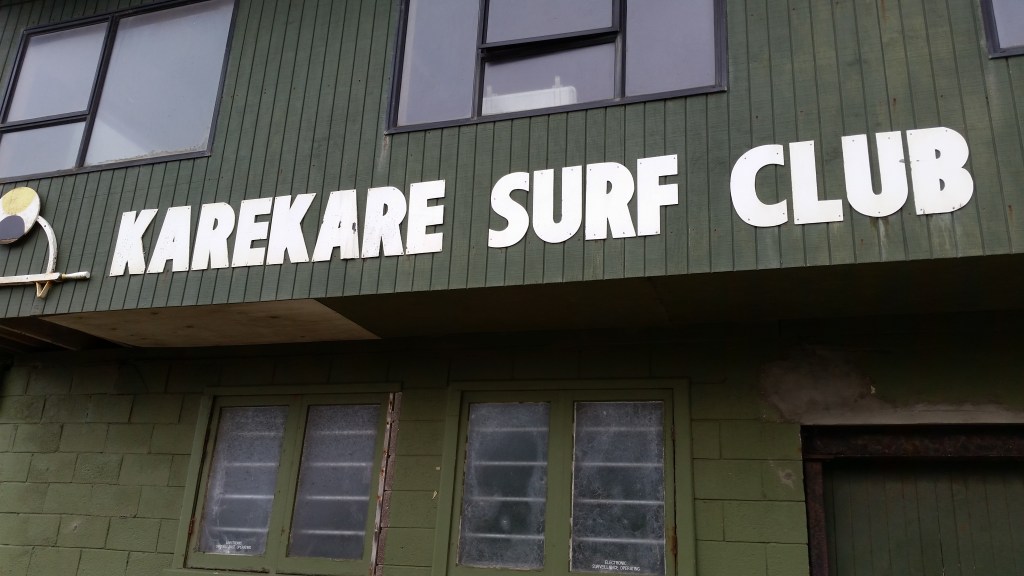
Signs warned visitors of dangerous rip currents and advised swimmers only to use the area between the flags, when the lifesavers from the Karekare Surf Club were on duty.

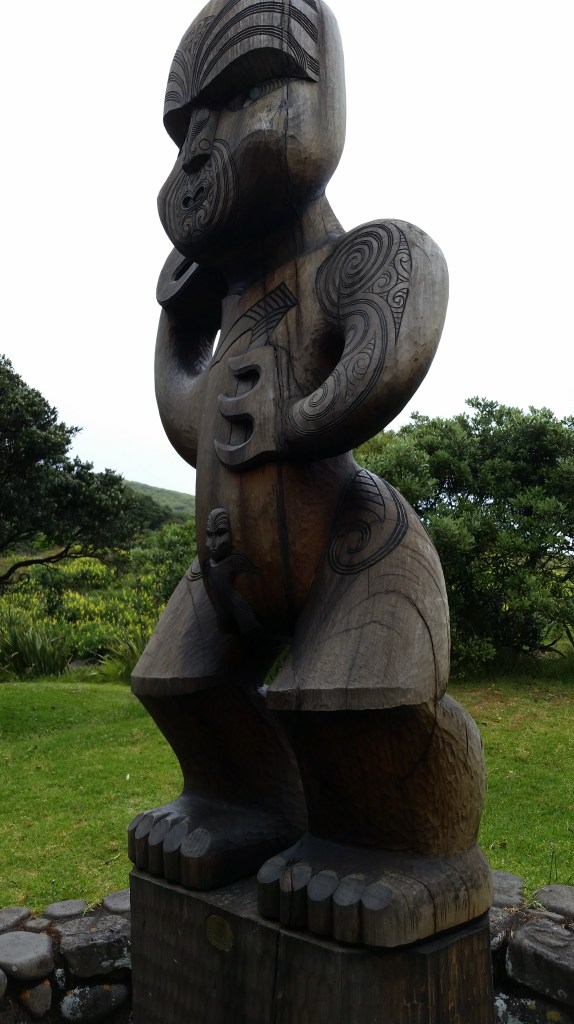
Karekare is known by the Maori people as Wai Karekare, ‘the bay of the boisterous seas’, and we found there a carved Maori ‘pou‘, symbolising the spiritual guardianship of Karekare.

flowers alongside the path to Karekare Beach
Surf Lifesavers sign at Karekare Beach

Karekare Surf Club
The Bay of the Boisterous Seas
Carved Maori ‘Pou’ symbolising the spiritual guardianship of Karekare

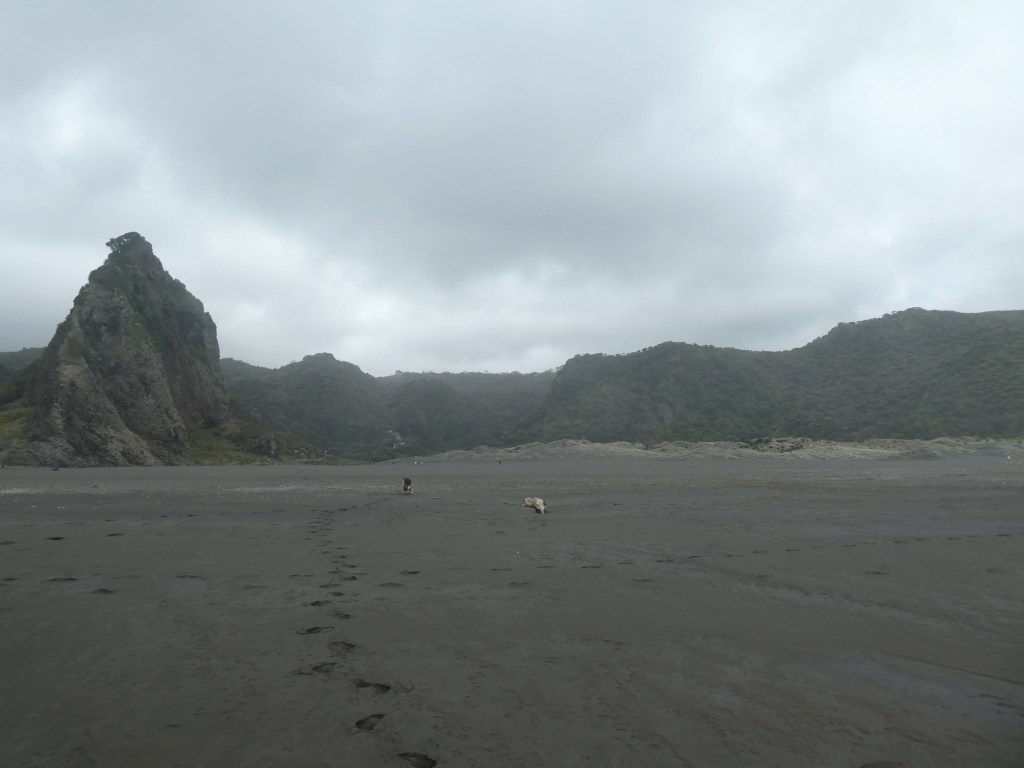
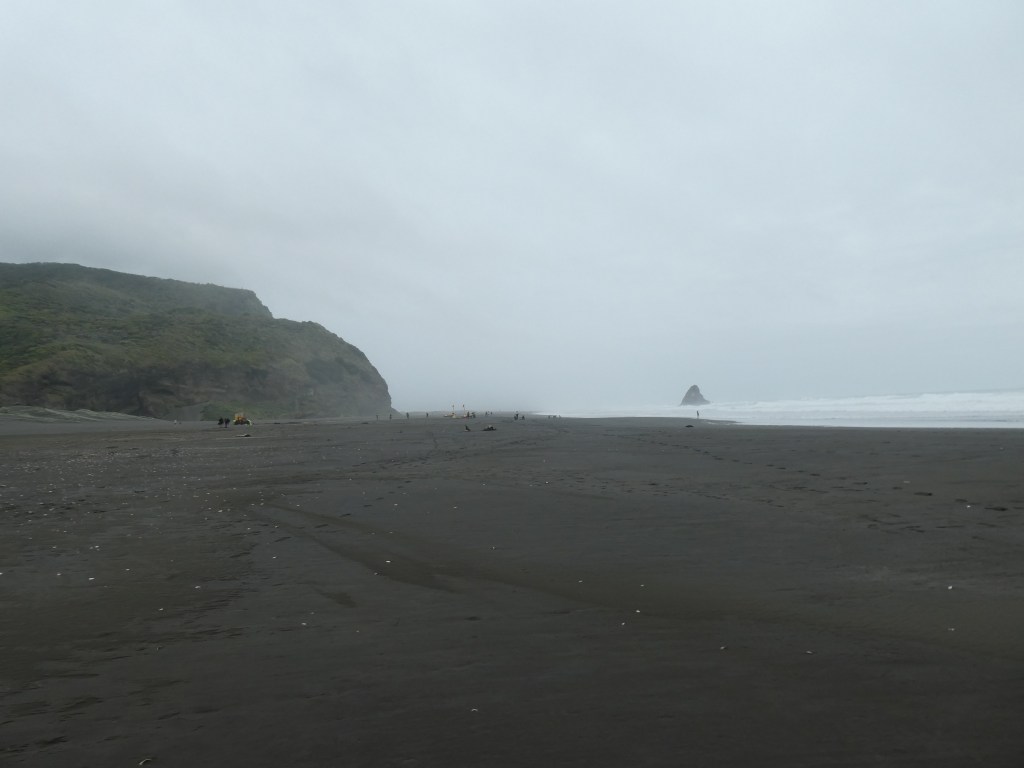
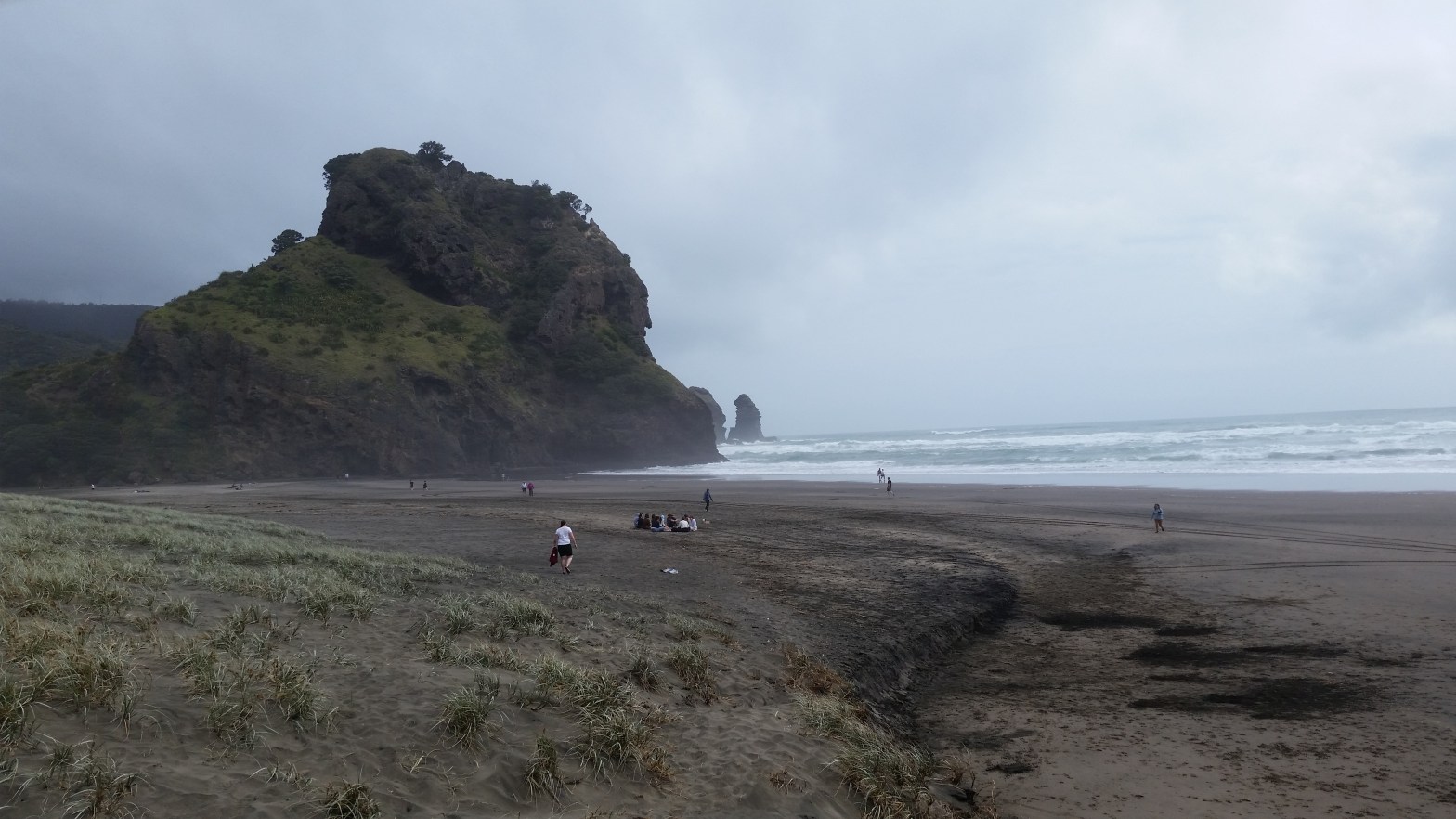
Karekare Beach itself is awe-inspiring, despite the fact that, as you can see, the weather for us was rather more moody than when the film camera crew were here.

On Karekare Beach (image credit Jamie Robinson)
Karekare Beach looking towards the Tasman Sea, photo credit Jamie Robinson

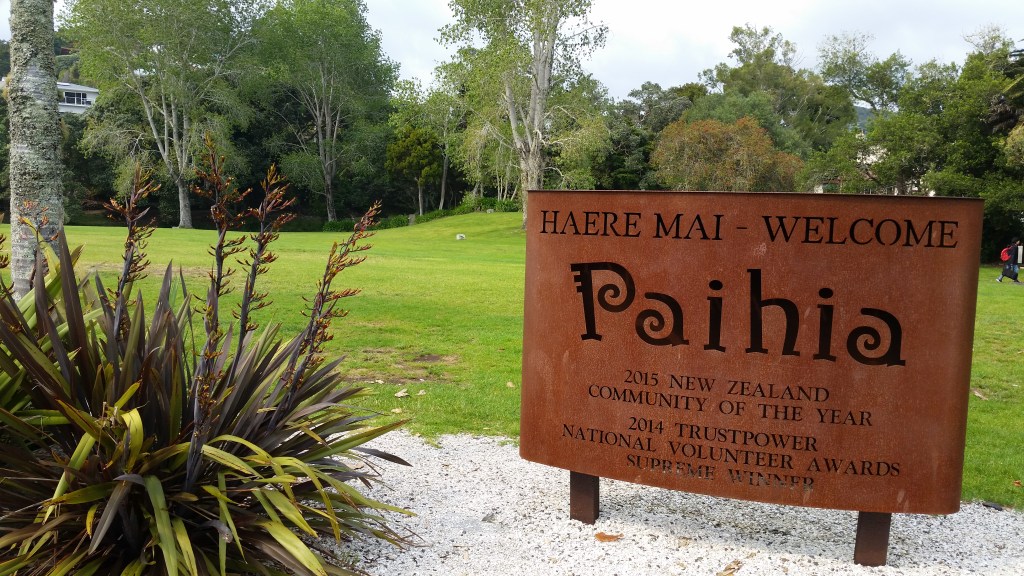
Late we drove to Piha village, and walked on Piha beach crowned by Lion rock. Another amazing location, which is also a Tsunami evacuation zone, as warning signs made us well aware.

SC Skillman, psychological, suspense, paranormal fiction & non-fiction. My next book, Paranormal Warwickshire, will be published by Amberley Publishing on 15th June 2020 and is available to pre-order now either online, or from the publisher’s website, or from your local bookshop.
Book Review: ‘Waireka’ by Sheila Donald, set in nineteenth century New Zealand – a story which makes you see your own life in a new perspective

Before I start my series on New Zealand, which I visited in November 2019, I am delighted to review a book set in the very place I visited – New Zealand’s North Island.

Map of New Zealand

But the times are very different in ‘Waireka’ by Sheila Donald. The genre is historical fiction. We are in the nineteenth century, and the main protagonist Eliza finds herself among the pioneers, and having a very different experience of that beautiful, green and richly-forested country.

New Zealand – a richly forested, green and beautiful country

The landscape of New Zealand’s South Island

For Eliza, there is no chance of flying from the UK to New Zealand in twenty six hours, as we can do today. No, Eliza must travel by sea, in cramped conditions, on a voyage which is dangerous and will last at least three months. And the lifestyle which awaits her is that of a pioneer, in a male-dominated society to which women often fall victim.

A very different prospect for nineteenth century pioneers

Having recently returned from my 16 day holiday in New Zealand I was keen to read this story set in New Zealand’s north island in the 19th century. The story tells how Eliza chooses to travel from Scotland to New Zealand in search of a better life, impelled by mostly economic motives but also by the desire for an opportunity to travel away from her own enclosed world with its limited prospects for women.

Eliza sets sail for New Zealand, accompanying a clergyman and his family in the position of governess to the children. After Eliza has arrived in Wellington, the author unfolds a story in which we learn about all the challenges her protagonist must face in making a life for herself in this new country.

An insight into the challenges faced by women in a less enlightened society

In the course of her narrative author Sheila Donald succeeds in showing us how difficult life was for women of the time, and many women readers will surely see their own lives in a new perspective upon reading this book. As we read, we also cannot help feeling angry on occasions, and the issue of female empowerment is one that rises to the forefront of the reader’s mind.

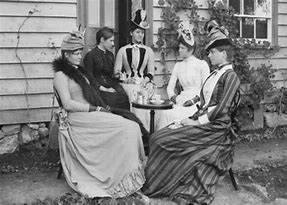
‘The Conversation’ an image of nineteenth century New Zealand
Waireka - a historical novel set in New Zealand, by Sheila Donald
Waireka, a historical novel set in nineteenth century New Zealand, by Sheila Donald

I was particularly struck by how dangerous and risky the sea-voyage to New Zealand could be, taking at least three months; and how vulnerable a young woman was, when faced with a situation of gross injustice, unable to seek any redress for violations of her own human rights by an unenlightened male dominated society.

An emotionally stirring story with a strong twist at the end

Later part of the story are genuinely moving, as Eliza faces tragedy, and an impossible situation where her own integrity and courage are tested. Finally, I loved the twist at the end which was very emotionally stirring.

I later learned that the author based the story partly on her own family history, and I found that particularly fascinating.

SC Skillman, psychological, paranormal, mystery fiction & non-fiction. My next book ‘Paranormal Warwickshire’ will be published by Amberley Publishing on 15th June 2020 and is available for pre-order now.

Australia and New Zealand Mini Series Part 16: Queensland Maritime Museum, Brisbane

This is the sixteenth in my series of short reflections on different places in Australia and New Zealand, which I visited in November 2019.

Map of Australia and New Zealand

In my last post I wrote about the Brisbane City Botanic Gardens which may be found inside a big loop of the Brisbane River, opposite the Kangaroo Point cliffs on the south bank.

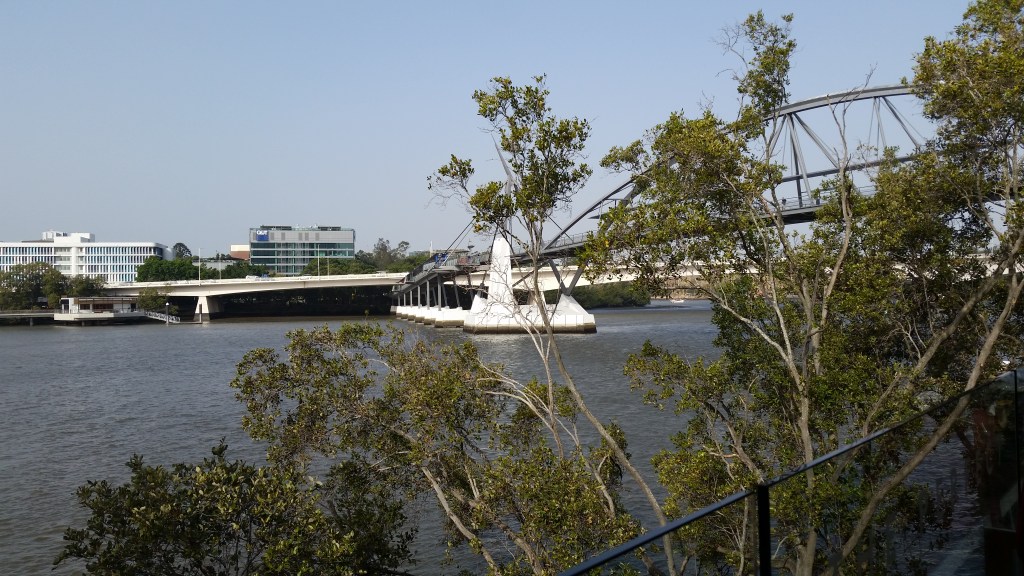
Having walked through the City Botanic Gardens, you will reach the Brisbane riverstage. There you will find the Goodwill Bridge, a footbridge which spans the Brisbane River, and takes you directly to the Queensland Maritime Museum on the south bank.

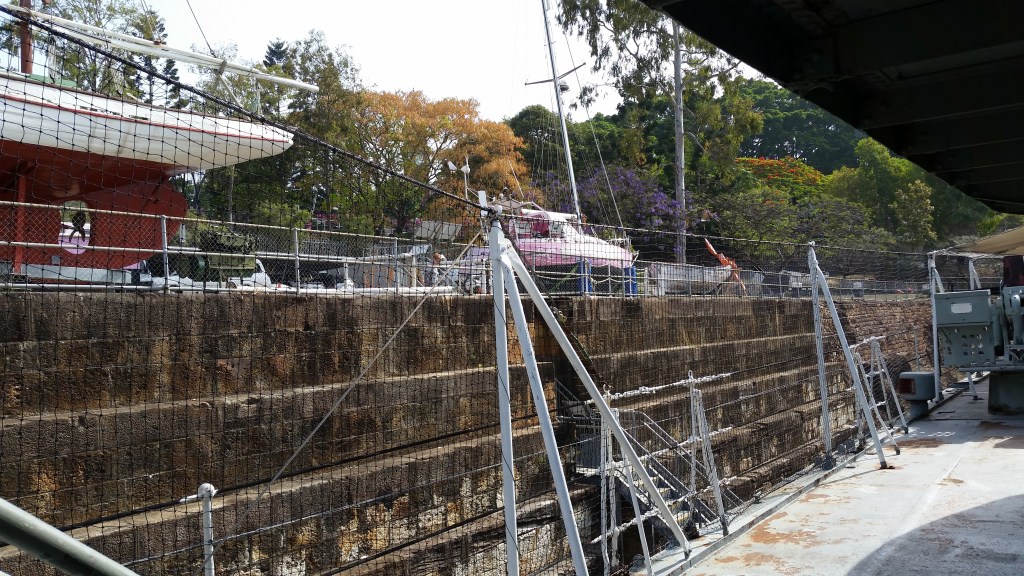
view of the dry dock where the Diamantina is displayed at the Queensland Maritime Museum, Brisbane

This is a fascinating museum run mostly by volunteers, where you may find not only a gallery full of intriguing maritime history and objects, but also a World War 2 ship, The Diamantina, outside in the dry dock, together with Brisbane’s favourite tug, the Forceful.

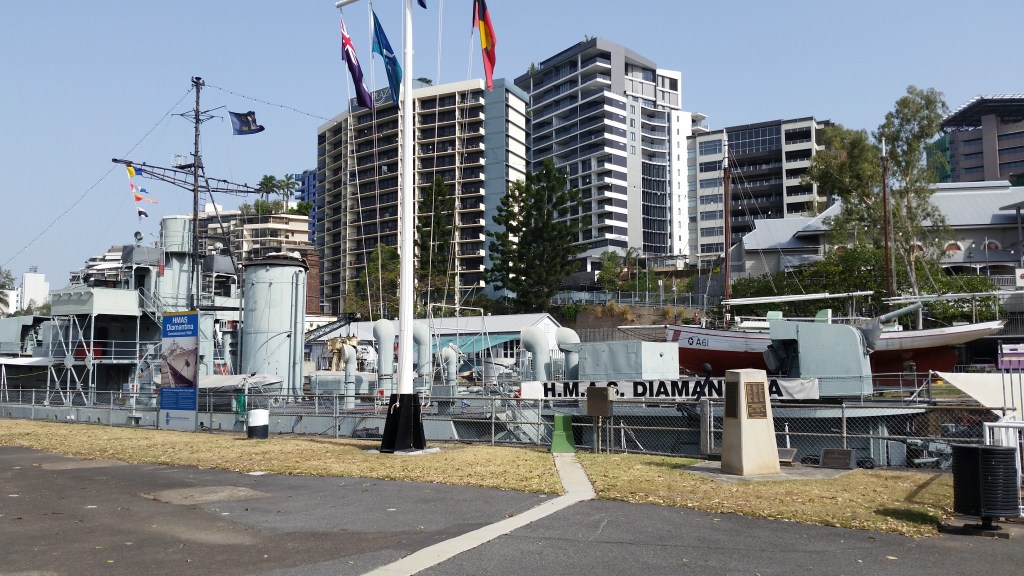
The Diamantina is a Royal Australian Navy frigate built in Queensland and commissioned in 1945 and one of the last remaining World War II river class frigates in the world.

The Diamantina at the Queensland Maritime Museum, Brisbane

I love exploring historical ships like this and it was fascinating to go round all the rooms below decks and to imagine what life was like for the crew when the ship saw service during the 2nd World War.

The quarterdeck of the Diamantina, Queensland Maritime Museum Brisbane

Also on display is The Forceful, Brisbane’s favourite tug.

Information sign on the quarterdeck of the Diamantina at the Queensland Maritime Museum, Brisbane
View of The Forceful and the Brisbane river, taken from the Queensland Maritime Museum
Information sign about The Forceful, at the Queensland Maritime Museum, Brisbane

The Forceful’s propeller, on display at the Queensland Maritime Museum, Brisbane
view of the Brisbane river from the Stokehouse bar and restaurant

Afterwards we strolled a short way along the south bank to one of Brisbane’s newest restaurant and bars, The Stokehouse, where we enjoyed an apple cider, seated on bar stools overlooking the river.

Here you may explore fascinating exhibitions on such themes as “Antarctica: Endurance and Survival” and “The Land of Dreams… Over the Seas to Queensland.”

Allow at least two or more hours to do justice to all the exhibits and to enable you to explore the ships.

SC Skillman, psychological, suspense, paranormal fiction & non-fiction. My next book, Paranormal Warwickshire, will be published by Amberley Publishing on 15th June 2020 and is available to pre-order now either online, or from the publisher’s website, or from your local bookshop.

Australia and New Zealand Mini Series Part 15: Brisbane City Botanic Gardens

This is the fifteenth in my series of short reflections on different places in Australia and New Zealand, which I visited in November 2019.

Map of Australia and New Zealand

In my last post I wrote about the Dorrigo Rainforest Centre in New South Wales with panoramic views over the pristine rainforest, a glimpse into Gondwana, the remnant of the vast continent which existed before Australia broke off from Antarctica and began to drift north.

City Lookout, Brisbane City Botanic Gardens

After our tour of the New South Wales coastal region, we returned once again to Queensland, and its capital city of Brisbane. Even here, in the midst of a major metropolis, we may find many ways to respect and honour, co-operate and harmonise with the natural world.

Banyan Fig Tree in Brisbane City Botanic Gardens

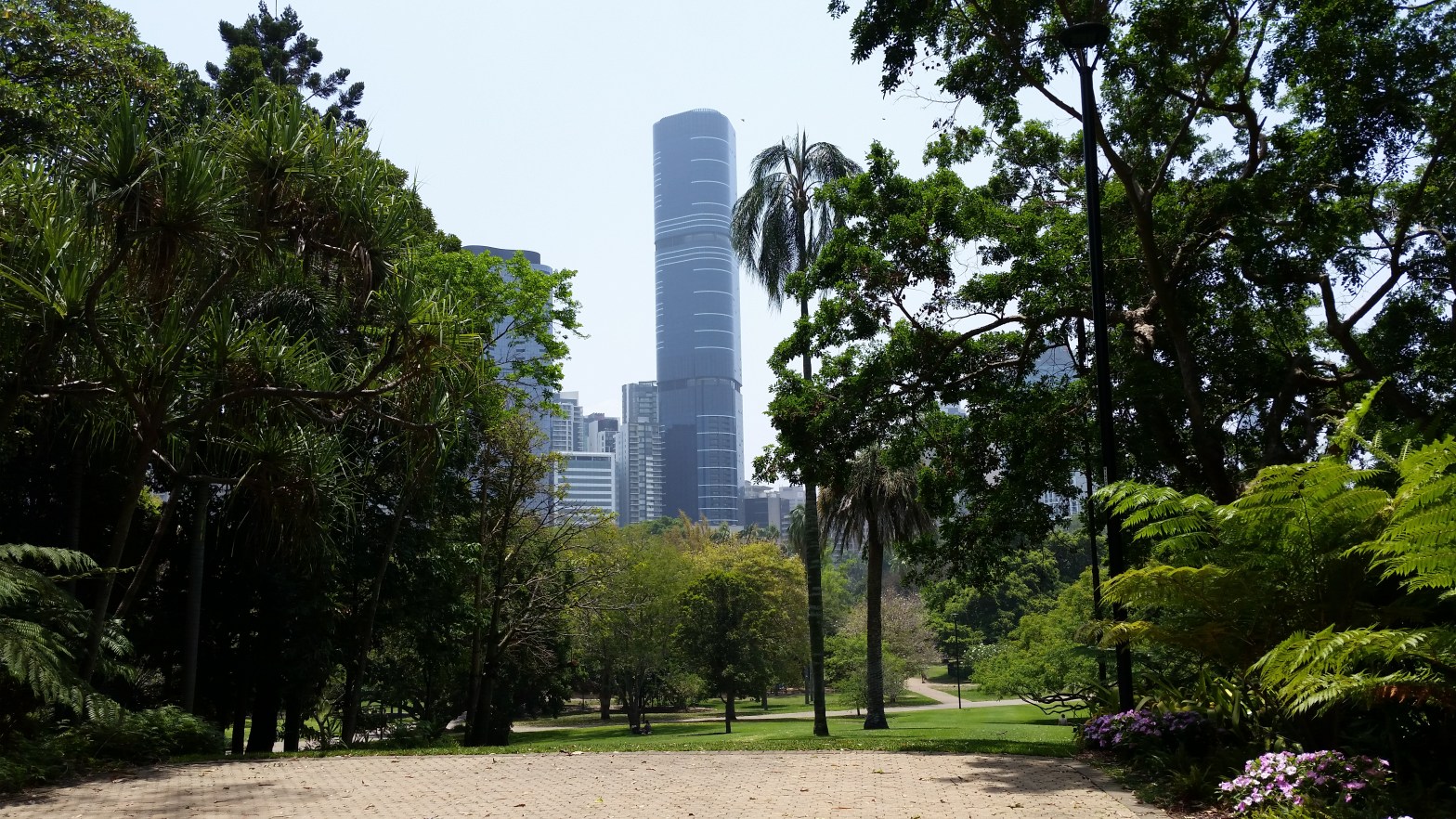
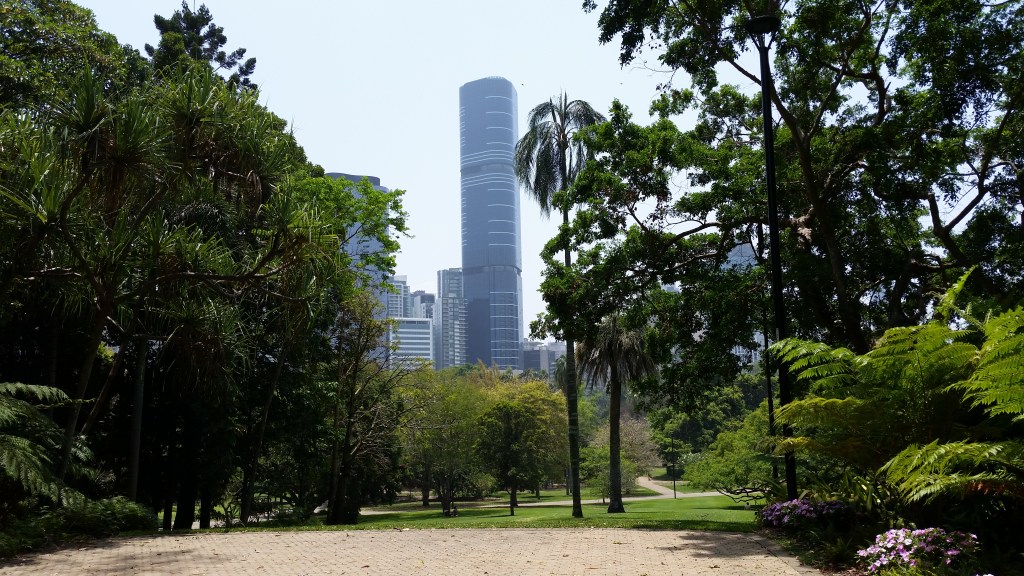
Today I share some images of the wonderful Brisbane City Botanic Gardens. You may find these gardens inside a big loop of the Brisbane River, opposite the Kangaroo Point cliffs on the south bank.

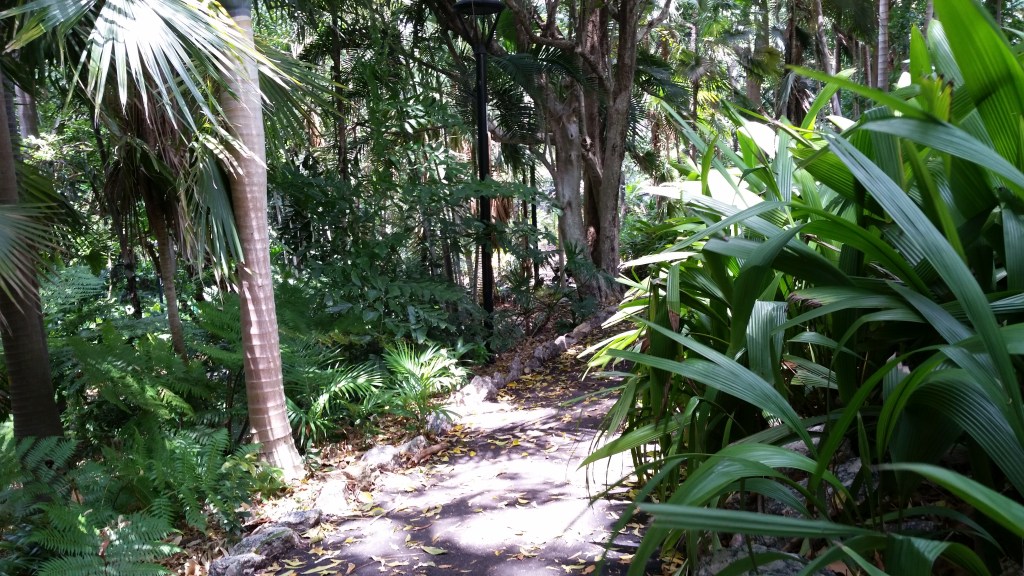
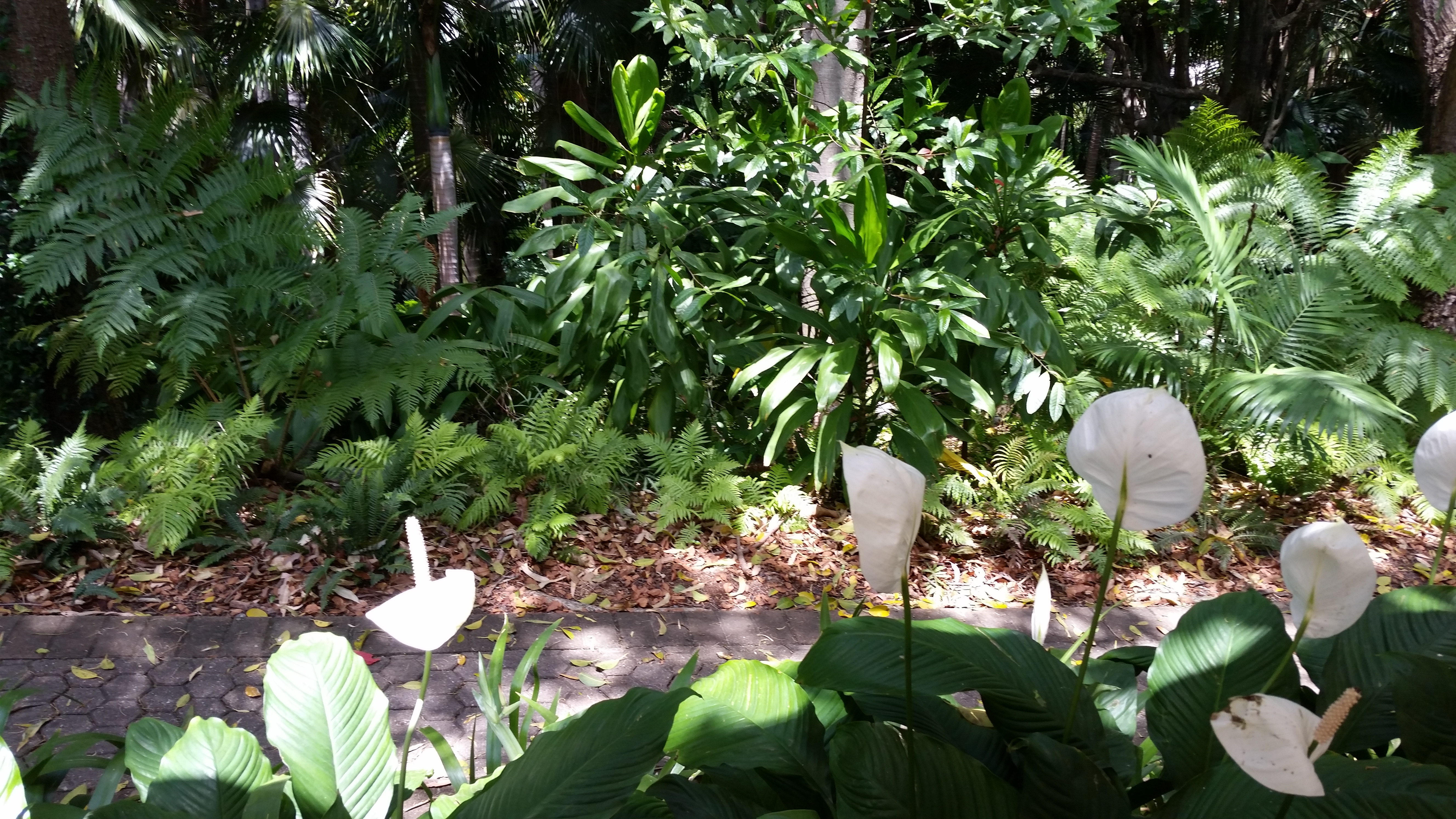
As the ancient rainforests are our magnificent heritage on this planet, I have been particularly struck by the imagination, expertise, dedication and hard work of landscape architects who within the city environment have recreated lush rainforest areas.

In the gardens you will find the Gardens Club Cafe, which is within the restored Curators Cottage. I can recommend this lovely cafe, situated close to the Rainforest Area, and a perfect place for lunch as you take a break from your stroll around the botanic gardens.

Lunch in the Gardens Club Cafe, Brisbane City Botanic Gardens

You may also walk along the riverside path and enjoy the views of the Brisbane river and the many boats, beyond which rises the city skyline of the south bank.

riverside view from the Brisbane City Botanic Gardens

I also love walking through mangrove swamps.

a walk beside the mangroves at the edge of the river, Brisbane City Botanic Gardens

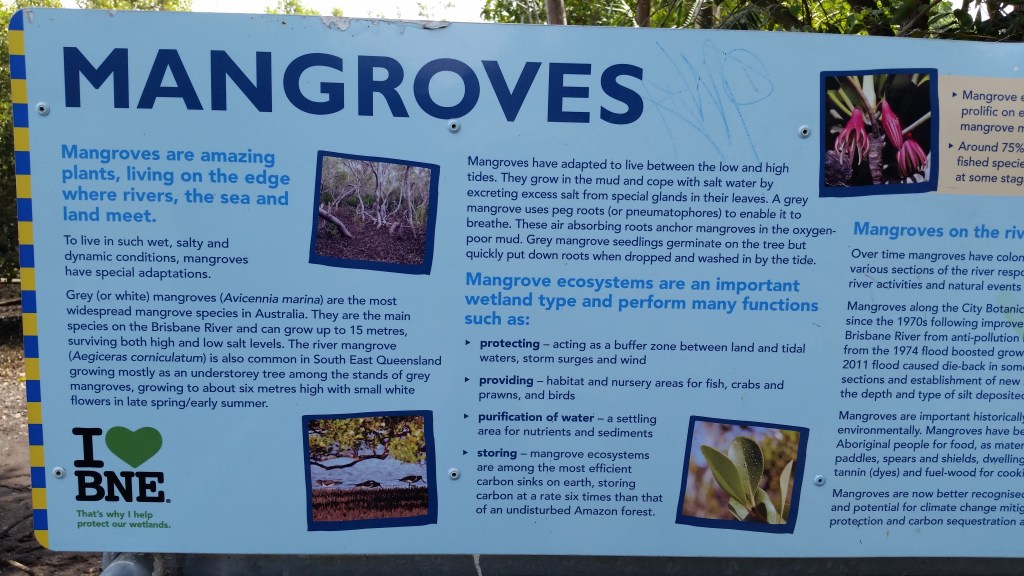
I was fascinated, too, to learn from an interpretative sign along the walk how vital mangroves are to our ecology: and in particular, their potential to offset some of the negative effects of climate change.

Interpretative sign about ecological significance of mangroves, mangrove river walk, Brisbane City Botanic Gardens

In particular, mangroves are an important wetland type, and perform many functions such as:

protecting – acting as a buffer zone between land and tidal waters, storm surges and wind;

providing – habitat and nursery areas for fish, crabs, prawns and birds;

purification of water – a settling area for nutrients and sediments;

Mangroves are now better recognised for their economic value and potential for climate change mitigation through coastal protection and carbon sequestration and offsetting.

storing – mangrove ecosystems are among the most efficient carbon sinks on earth, storing carbon at a rate six times more than that of an undisturbed Amazon forest.

walking beside the mangroves along the riverside path in Brisbane City Botanic Gardens

I find these facts amazing, moving and inspiring. I love walking among mangrove swamps because of their lush, cool, shady, mysterious atmosphere; but now I know of their immense value for the survival of our planet, I am even more in awe of them.

So when we visit places of renewal and restoration in the natural world, we find that our own relationship with “the green and the blue” encapsulates so much more than simply “a good feeling.”

This heals and uplifts us on an emotional and psychological level; and then we find that the discoveries of science accord with our own inner experience.

Our planet, our mental health, our survival as a species depends upon so many delicate, interconnecting threads: and among these, the precious resources of the natural world: mangroves and rainforests and so much more.

SC Skillman, psychological, suspense, paranormal fiction & non-fiction. My next book, Paranormal Warwickshire, will be published by Amberley Publishing on 15th June 2020 and is available to pre-order now either online, or from the publisher’s website, or from your local bookshop.
Australia and New Zealand Mini Series Part 14: Dorrigo Rainforest Centre, New South Wales: a Glimpse into Ancient Gondwana

This is the fourteenth in my series of short reflections on different places in Australia and New Zealand, which I visited in November 2019.

Map of Australia and New Zealand

In my last post I wrote about the charming small New South Wales town of Bellingen with its colonial-style buildings, its church with beautiful stained glass windows and its precious colony of grey-headed flying foxes on Bellingen Island.

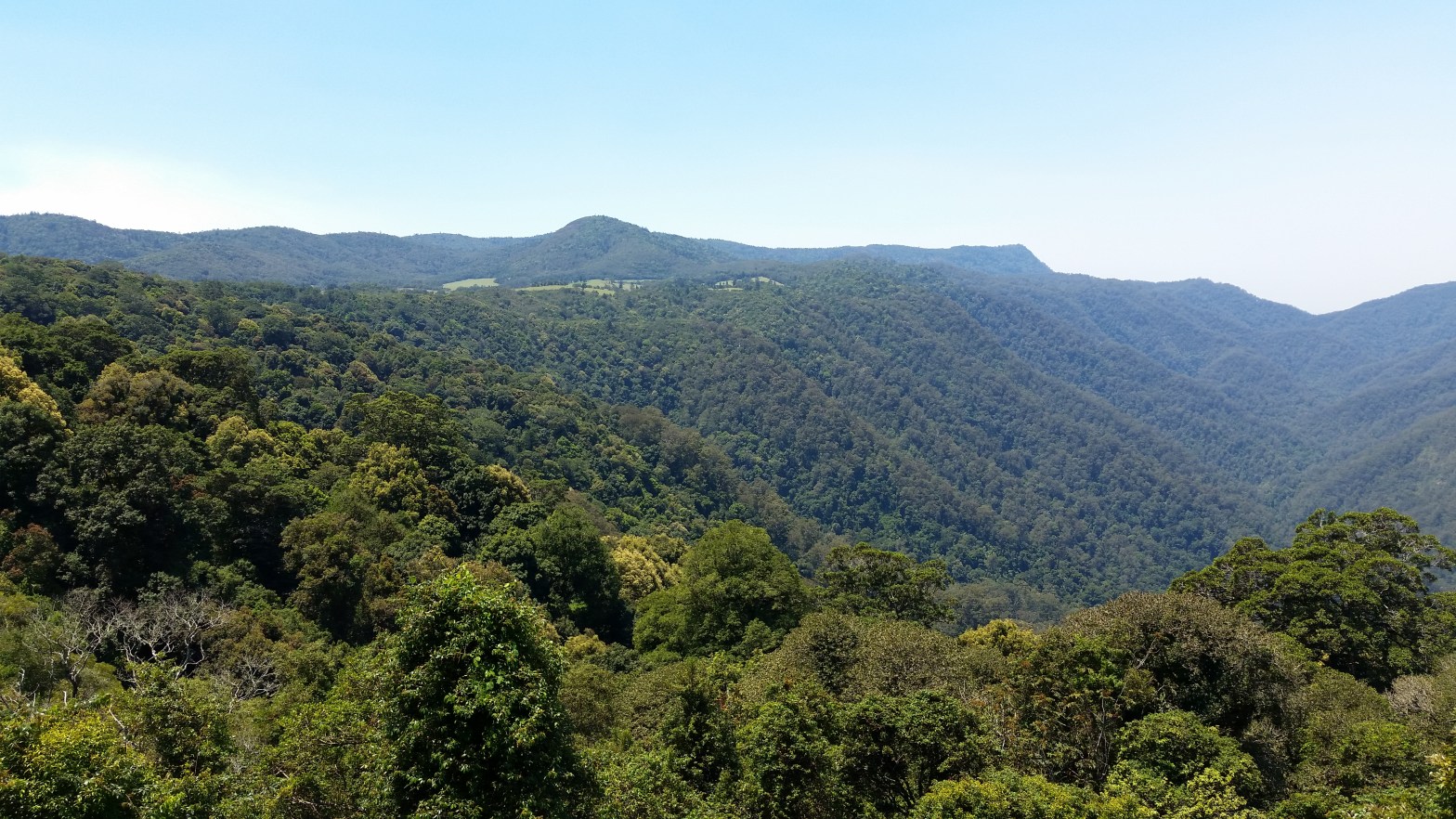
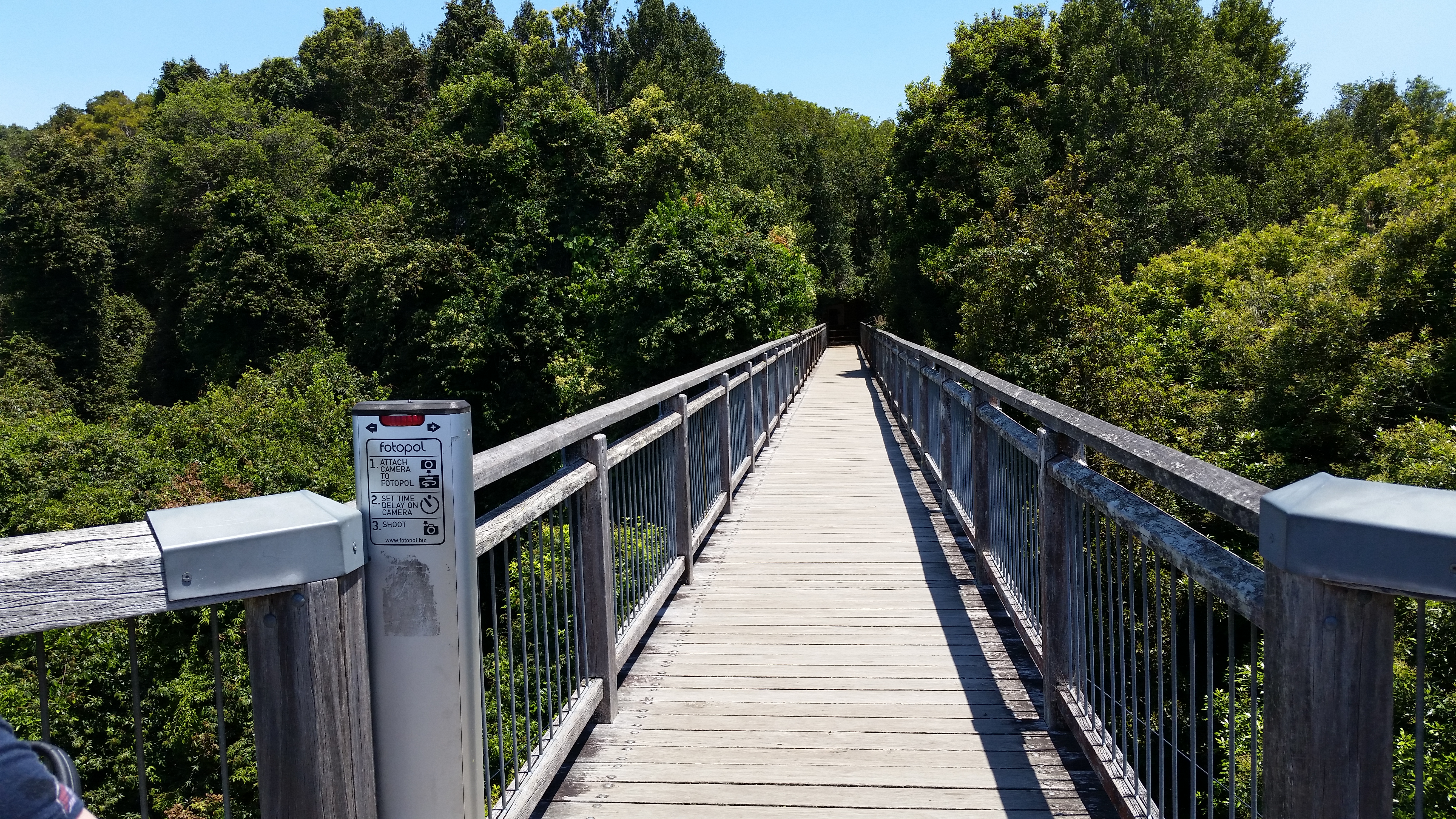
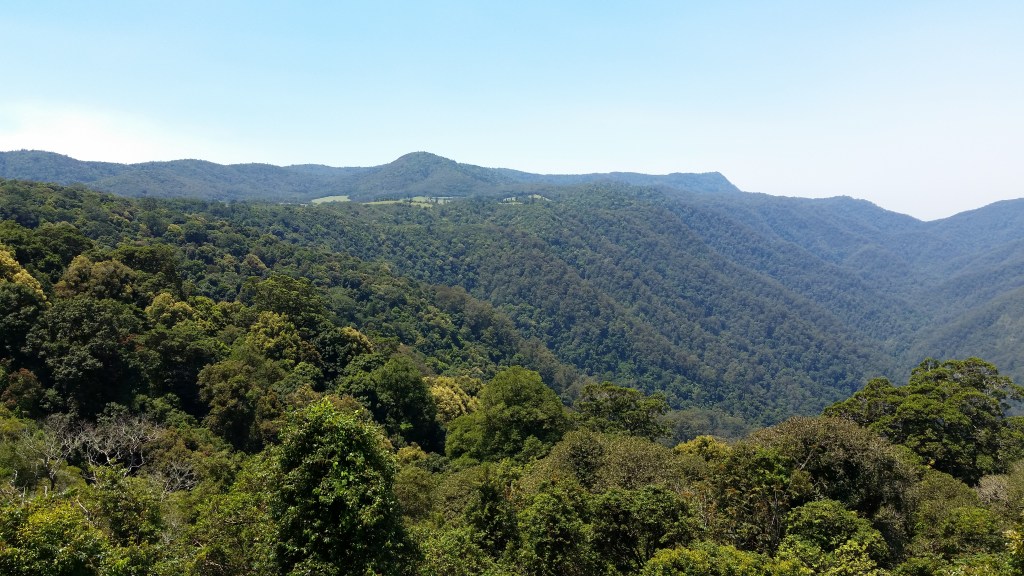
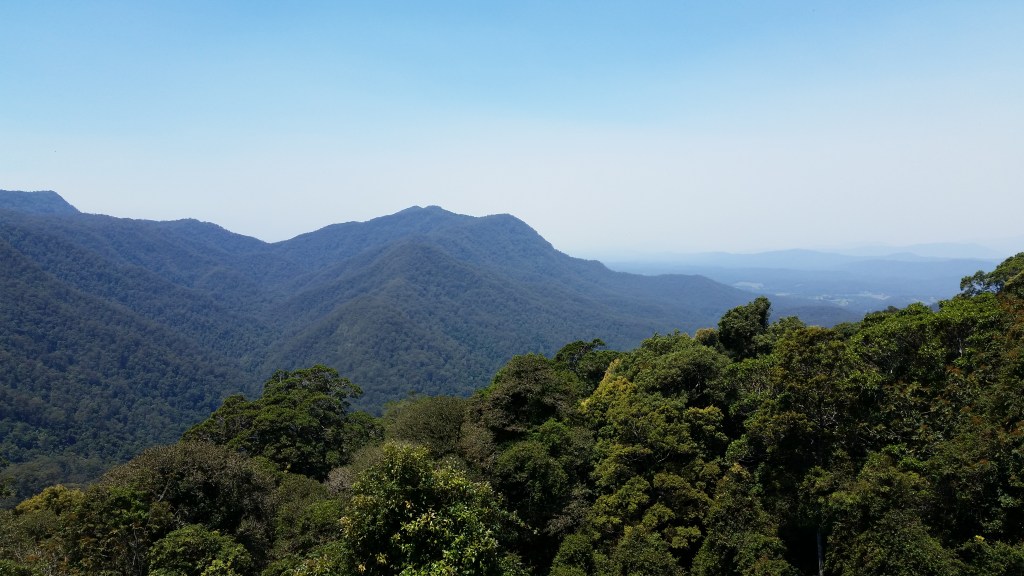
A climb into the mounttins north of Bellingen brings us to Dorrigo Rainforest Centre. Here visitors may take the Skywalk, with panoramic views over the pristine rainforest. This rainforest gives us a glimpse into Gondwana, the remnant of the vast continent which existed before Australia broke off from Antarctica and began to drift north.

Gondwana Rainforest
Gondwana Rainforest

Dorrigo was one of the few national parks open in the region at the time of our visit, because of the tragic bushfires sweeping Australia. The sky was blue and clear as we drove higher, but later became misty and the atmosphere filled with the smell of smoke, carried by the wind from the epicentres of the bushfires. As I write, bushfires are still burning in areas of Australia; and yet we may see signs of hope, in the power of nature to fight back against our interference in the world’s ecosystems.

In the Visitor Centre, regularly updated information was on display about the national park closures in the area, reminding us all of the vulnerability of this, one of our planet’s greatest treasures: the rainforest.

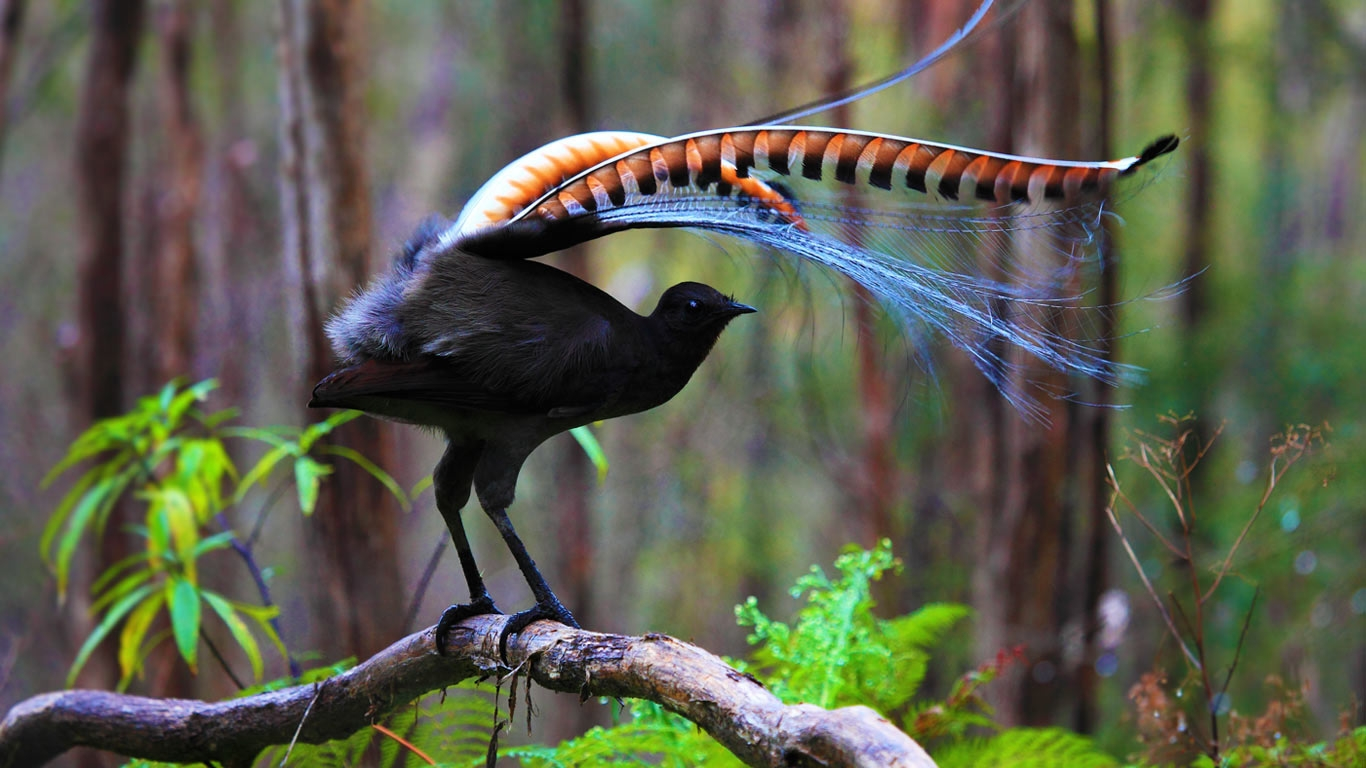
When we took the Skywalk and the Lyrebird walk through the rainforest, interpretative signs provided all sorts of fascinating information about the history, geography, biology and anthropology associated with the rainforest. We heard the high fluting call of the lyrebirds as we walked.

We learned that local Gumbaynggirr aboriginal people describe the rainforest canopy as “a protective blanket over the land.

Farmers clearing land for agriculture have called it “the impenetrable scrub.

Citysiders wanting to escape from the big smoke name it “the ultimate green.”

Conservationists agree the rainforest is “our magnificent heritage.”

Later after lunch in the Visitor Centre café we saw a film which told us that only 20% of the world’s rainforests survive; in regard to climate change we may already be past the tipping point; the rainforests are crucial to the health and quality of life on this planet.

Rainforests are our most precious natural resource.

Although some experts believe we may be ‘past the tipping point’ we must never give up doing all we can to save them.

View of the rainforest from the Dorrigo Rainforest Centre Skywalk, New South Wales
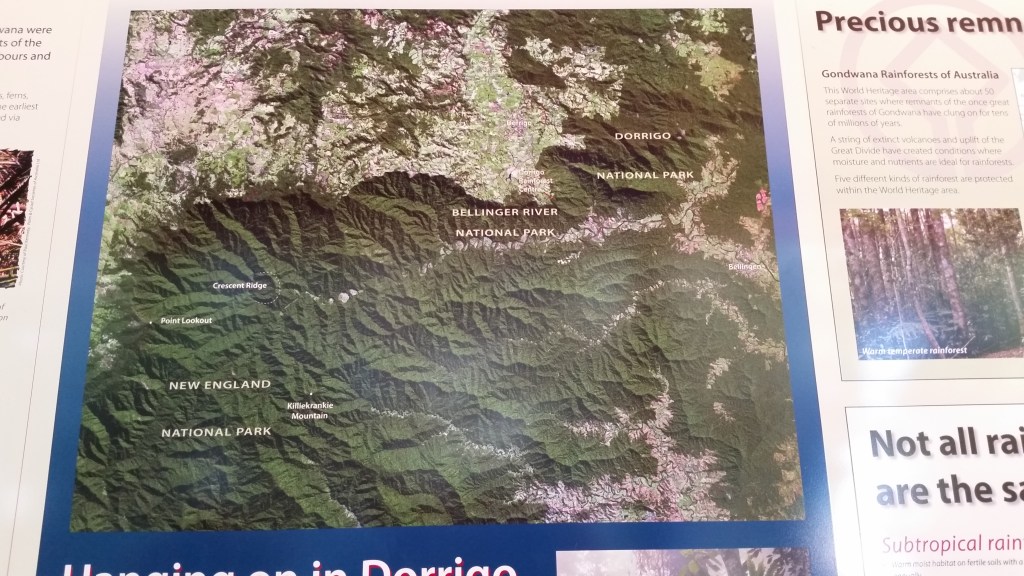
Interpretative sign at Dorrigo Rainforest Centre, New South Wales, showing a map of the Dorrigo National Park and surrounding area
Interpretive sign on the Lyrebird Walk, Dorrigo Rainforest Centre, New South Wales, “Not all Rainforests Are the Same”
A glimpse of ancient Gondwana

SC Skillman, psychological, suspense, paranormal fiction & non-fiction. My next book, Paranormal Warwickshire, will be published by Amberley Publishing on 15th June 2020 and is available to pre-order now either online, or from the publisher’s website, or from your local bookshop.

Australia and New Zealand Mini Series Part 13: Bellingen, Charming Small Town in New South Wales

This is the thirteenth in my series of short reflections on different places in Australia and New Zealand, which I visited in November 2019.

Map of Australia and New Zealand

In my last post I shared some stories about the history of Hat Head National Park and Smoky Cape Lighthouse on the New South Wales coast.
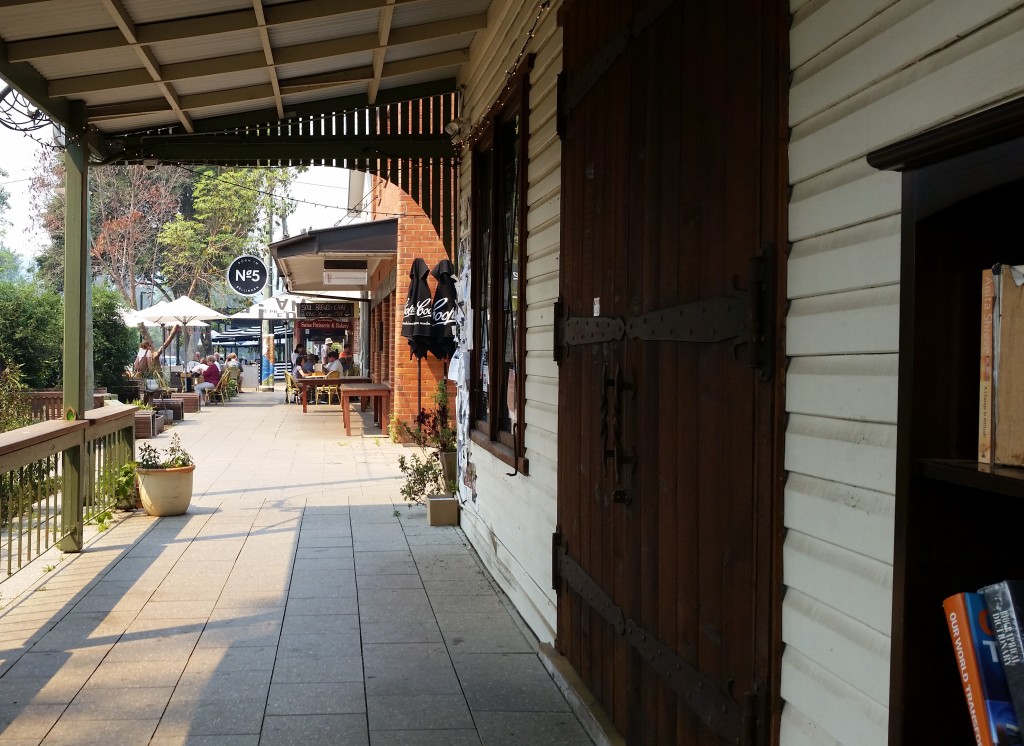
Making our way north from Smoky Cape back to Urunga, and moving inland we find the charming small town of Bellingen.

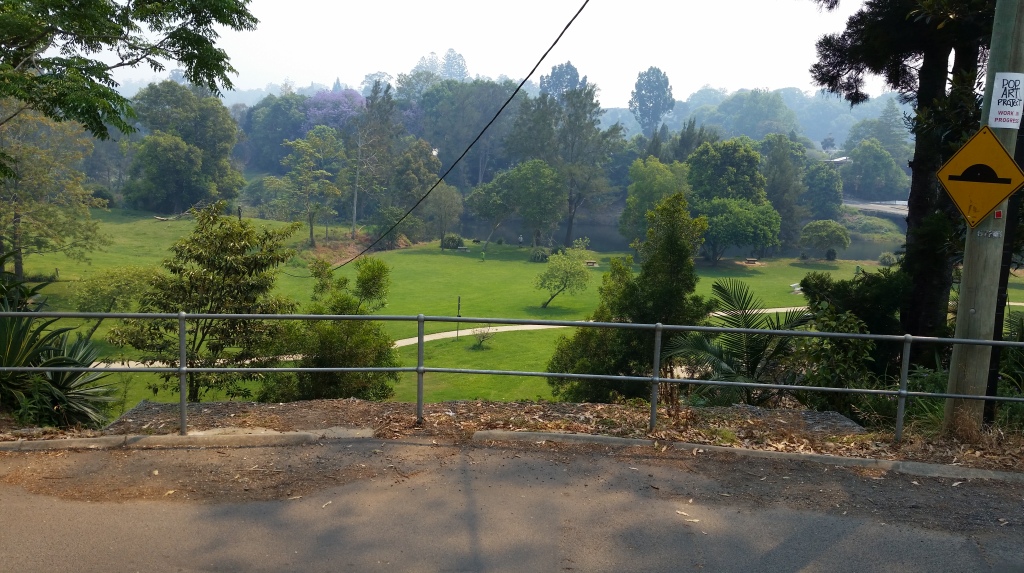
view from Bellingen main street towards the Bellinger river

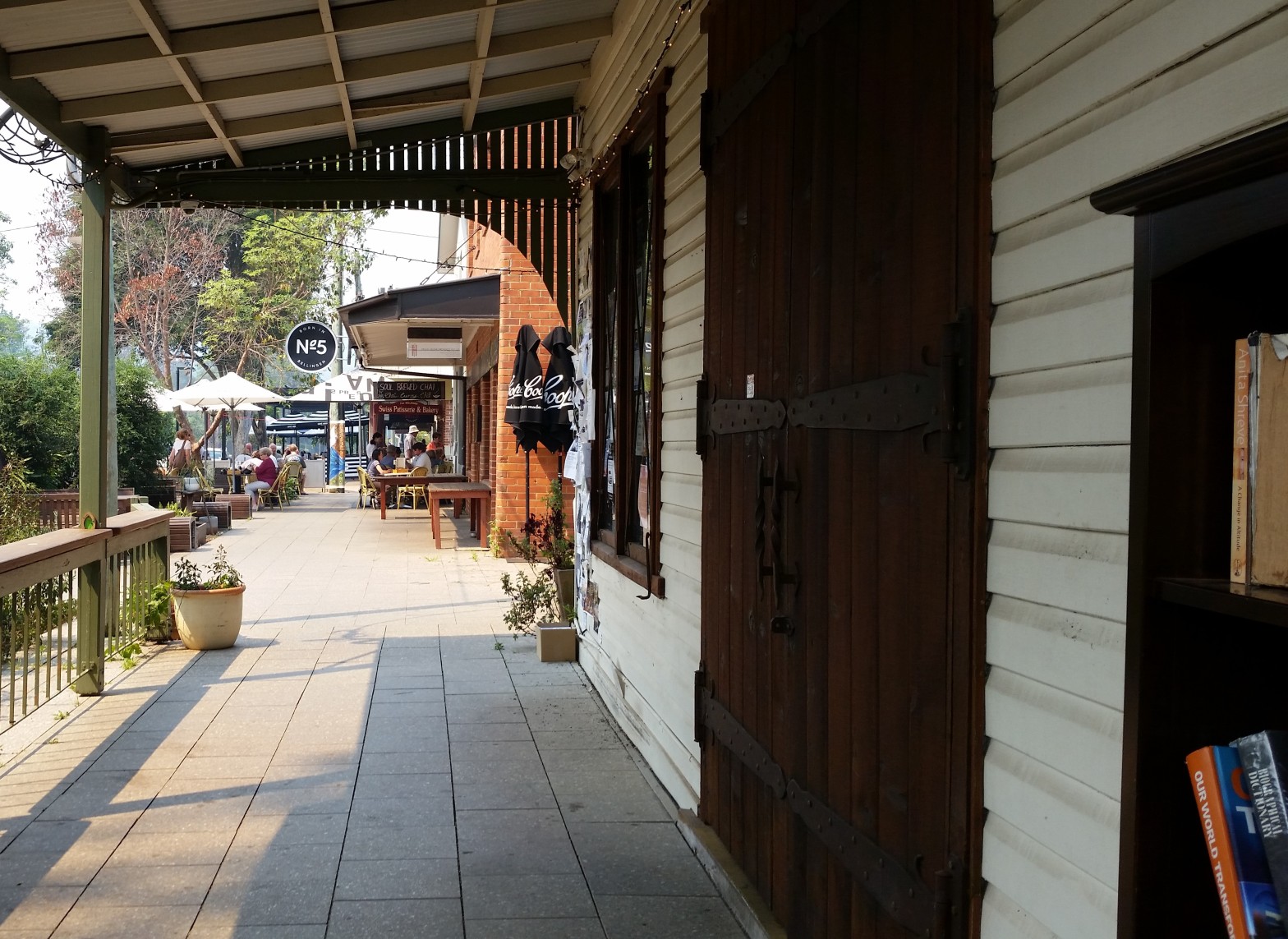
Beloved of ‘alternative lifestylers’ as are several towns in New South Wales, this little settlement is full of character and colonial-style buildings.

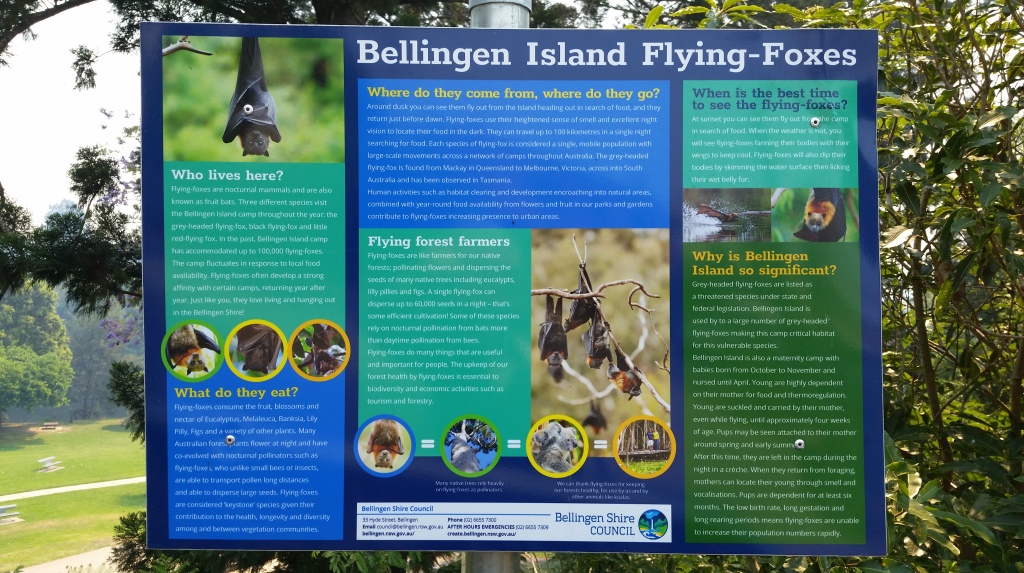
Sited on the River Bellinger, Bellingen Island is home to a colony of grey-headed flying foxes, and it is a critical habitat for this vulnerable species, as you will see from this picture:

Interpretative sign about Flying Foxes at Bellingen in New South Wales

We strolled up the main street of the town:

Main street, Bellingen, New South Wales

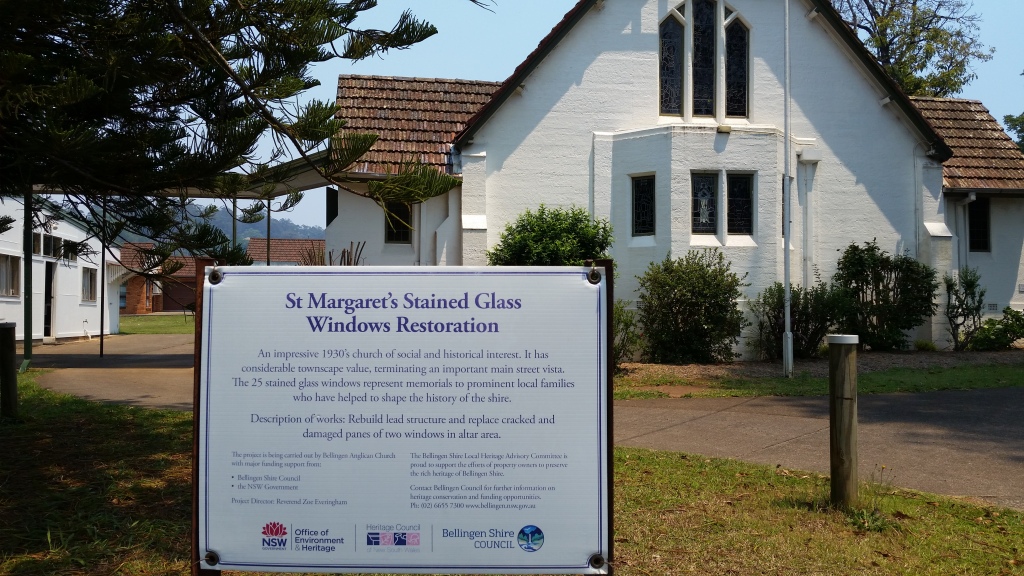
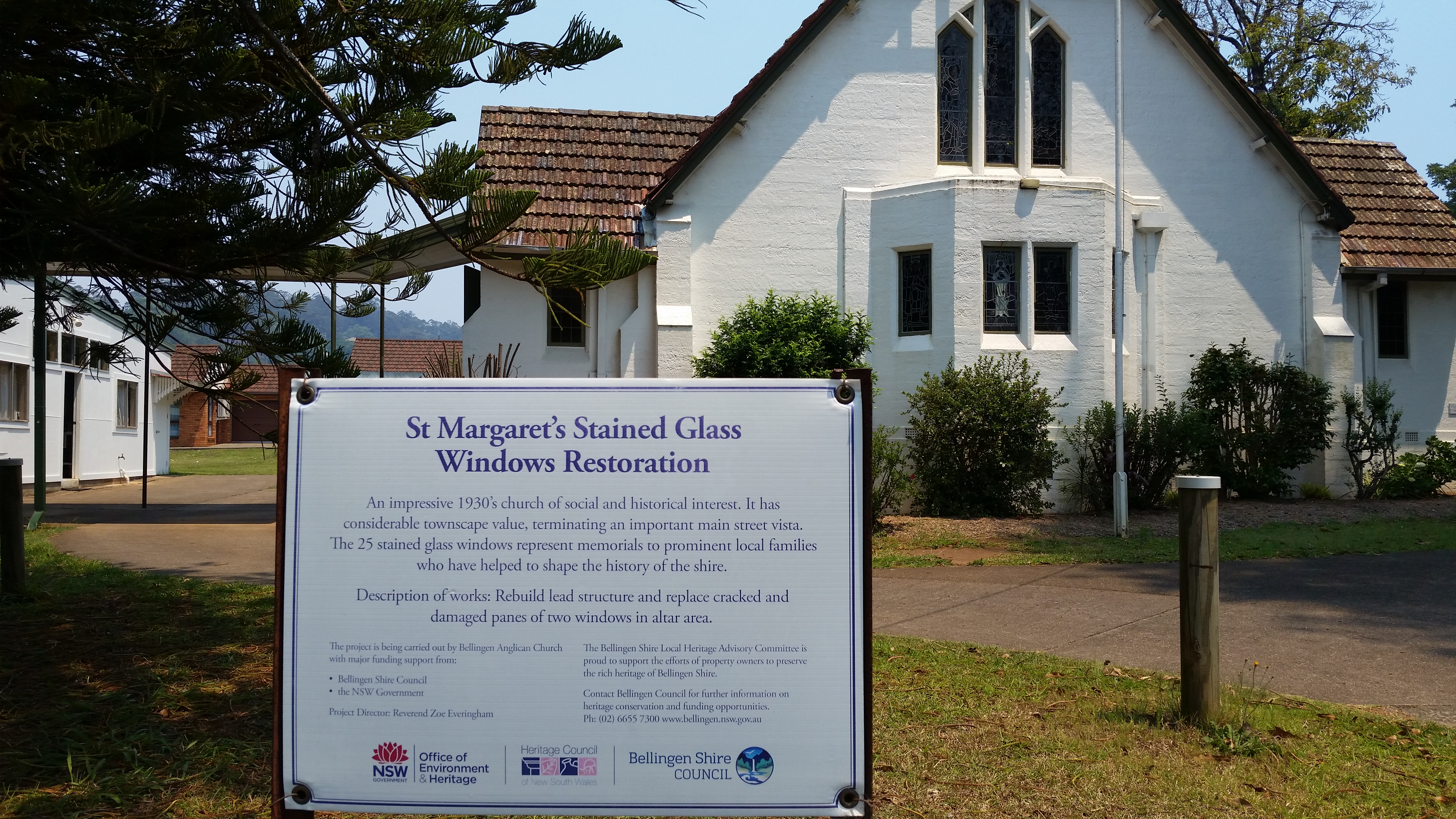
Then we arrived at the local Anglican Church, of St Margaret’s, built in the 1930s.

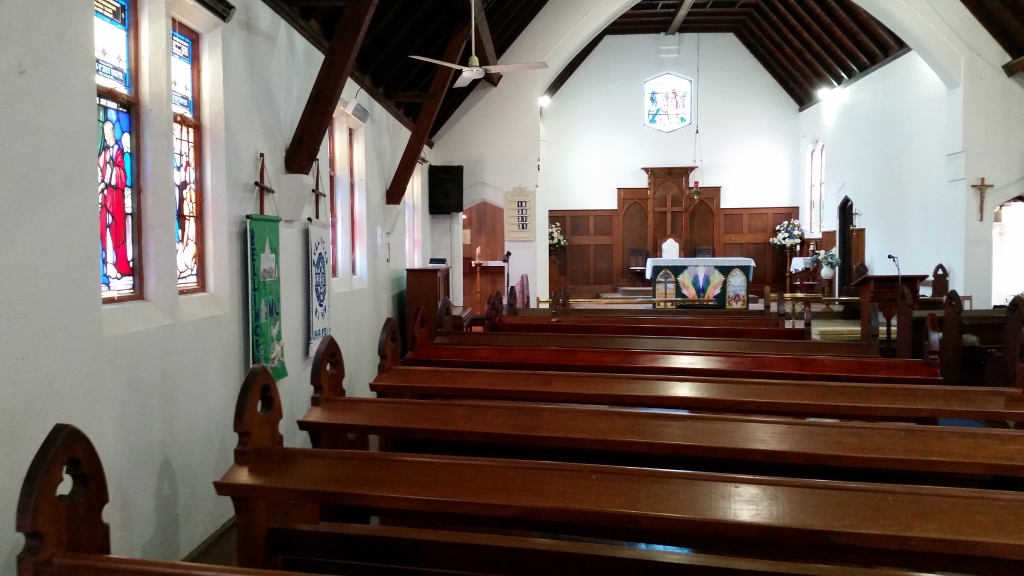
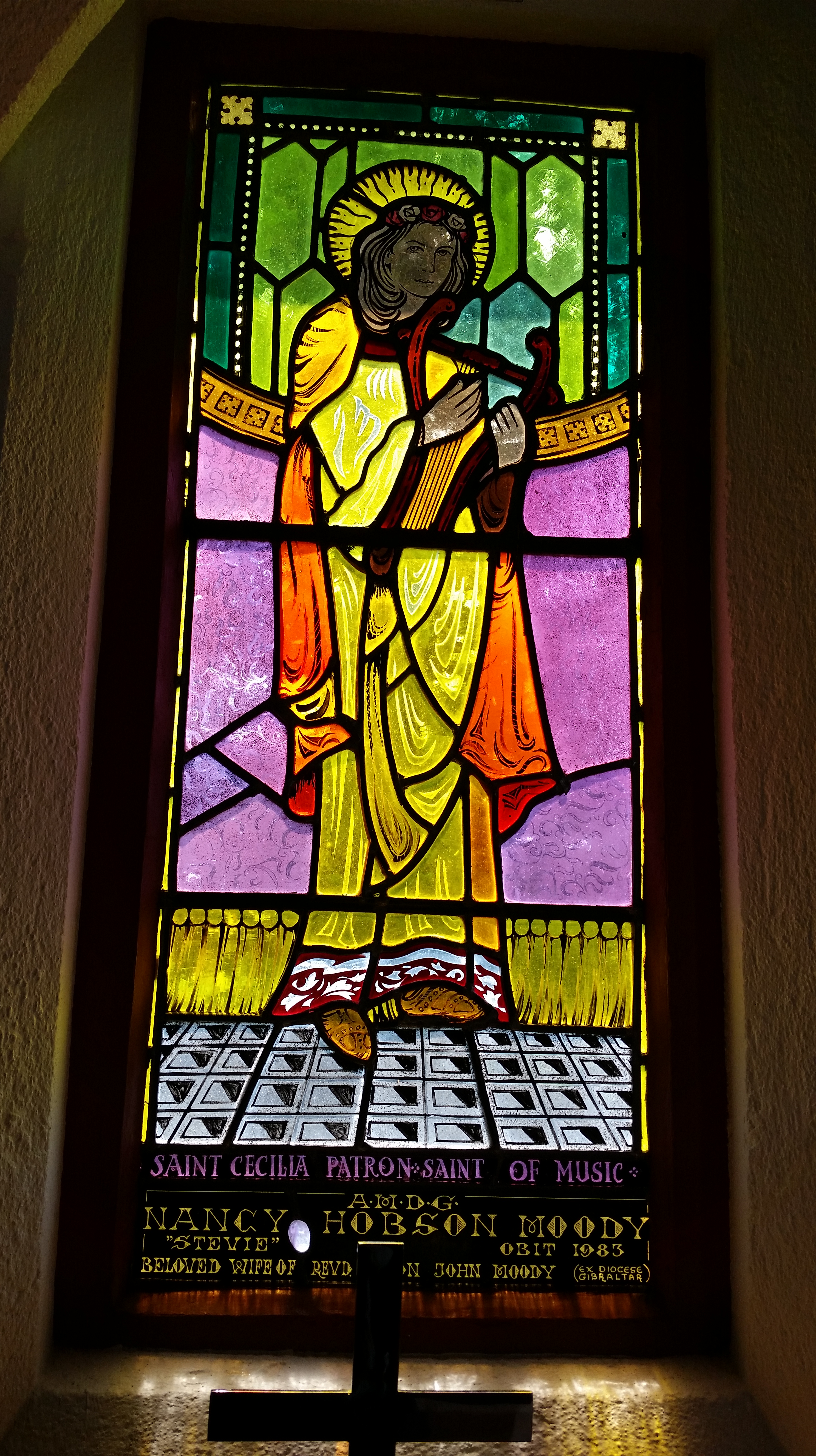
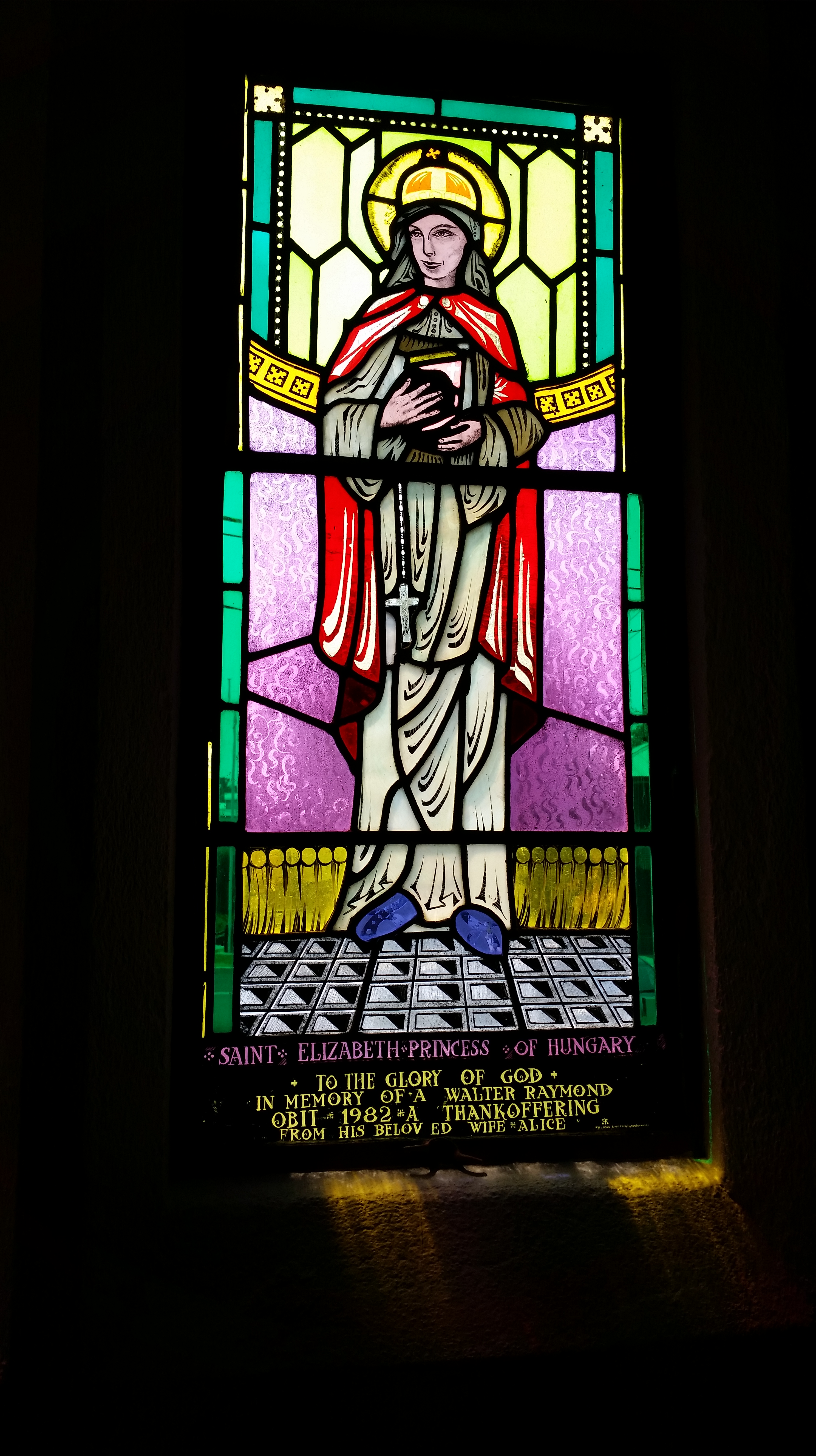
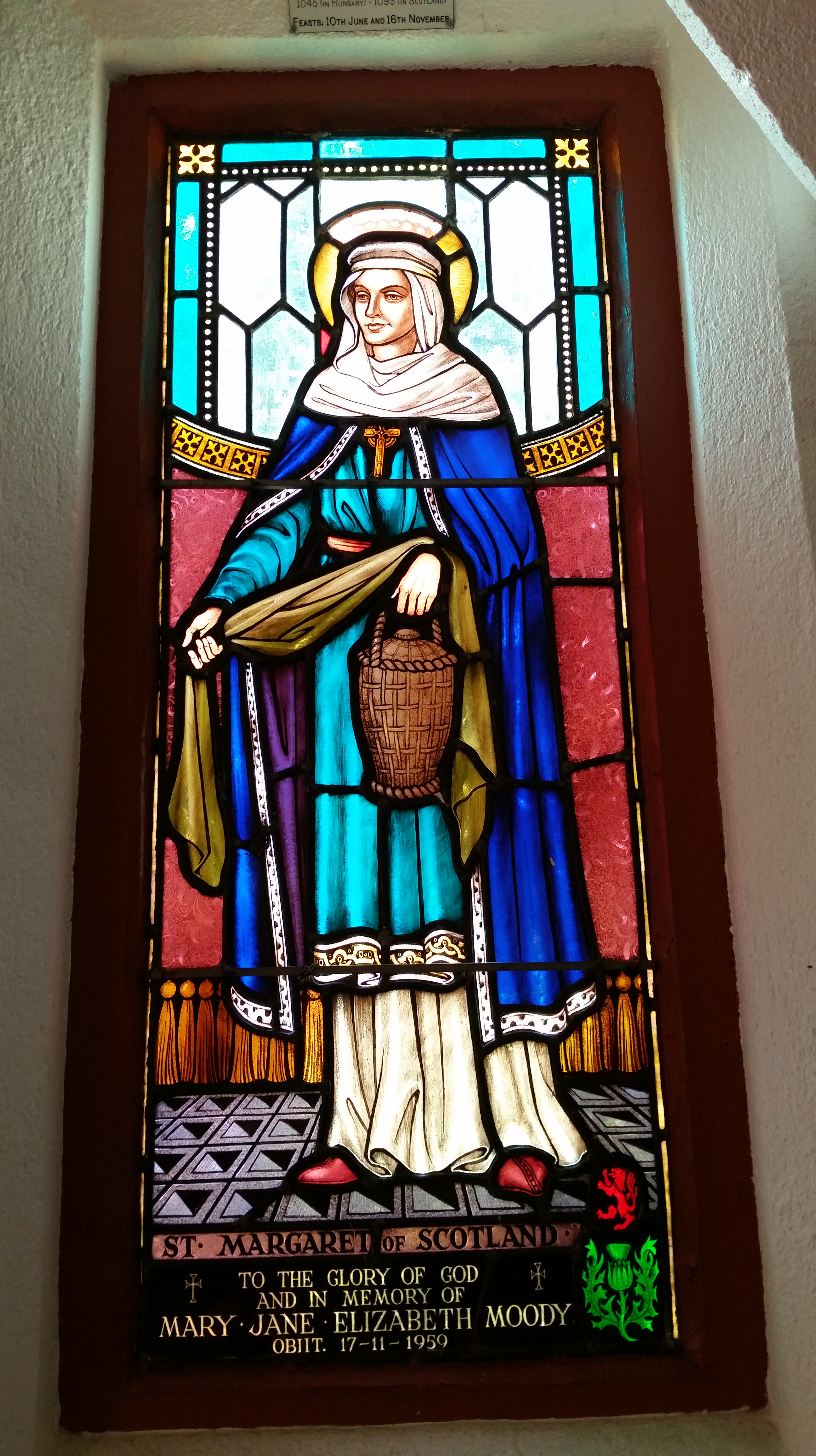
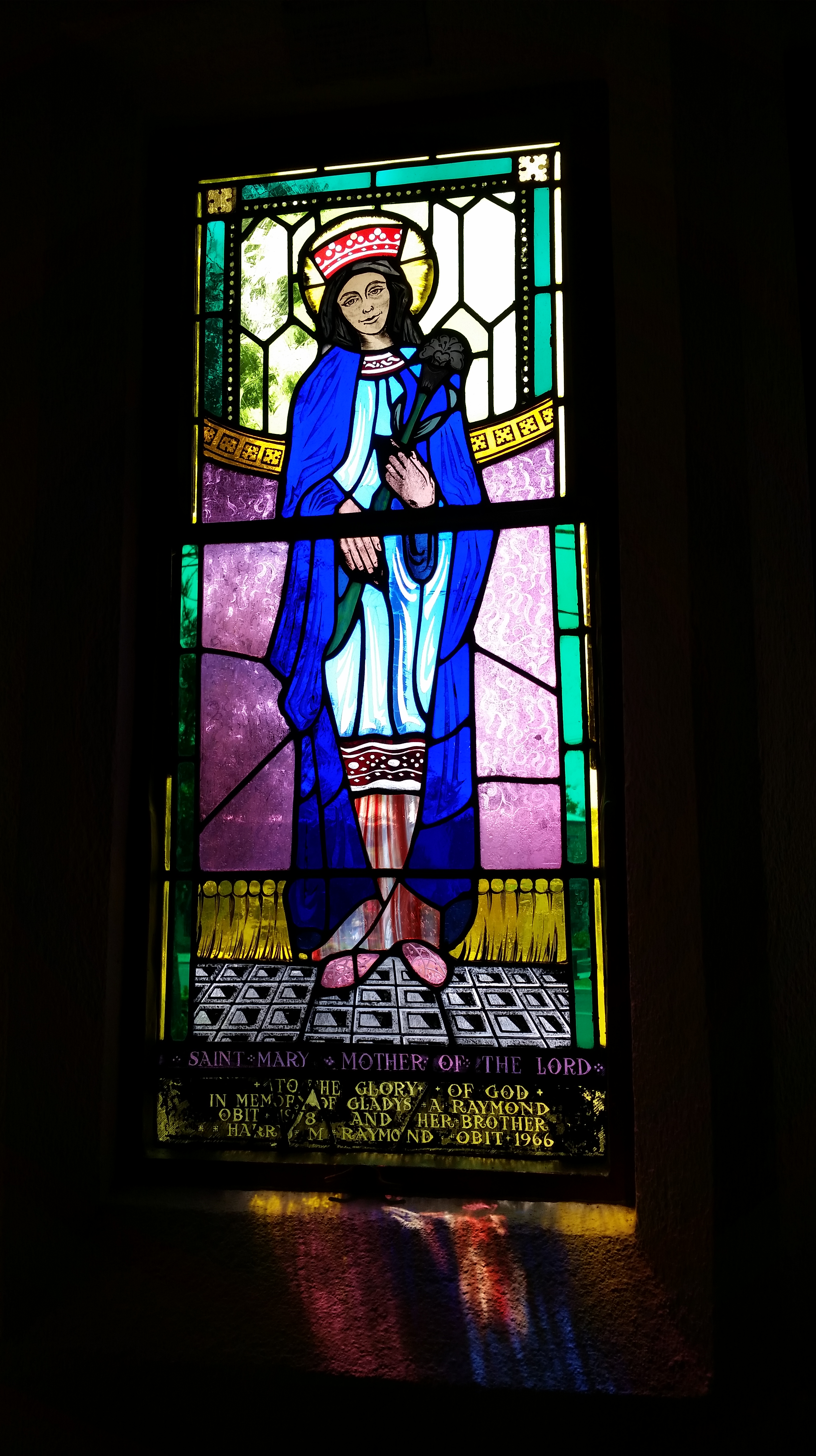
Inside the church, we met a warm and friendly priest who had originally come from Malta, and enjoyed our chat with him. Whilst in the church we admired some of the striking stained glass windows. My favourites were of St Mary, Mother of the Lord; St Elizabeth, Princess of Hungary; St Cecilia, Patron Saint of Music; and St Margaret of Scotland.

St Margaret’s Anglican Church, Bellingen, New South Wales
Interior, St Margaret’s Church, Bellingen, New South Wales

With thanks to the Bellingen Shire Council for their information about the colony of flying foxes on Bellingen Island.

SC Skillman

psychological, suspense, paranormal fiction & non-fiction

My next book, Paranormal Warwickshire

will be published by Amberley Publishing on 15th June 2020

and is available to pre-order now from Amazon.

Australia and New Zealand Mini Series Part 12: South West Rocks, New South Wales – Hat Head National Park and Smoky Cape

This is the twelfth in my series of short reflections on different places in Australia and New Zealand, which I visited in November 2019.

Map of Australia and New Zealand

In my last post I shared some stories about the history of Trial Bay Gaol at South West Rocks, and today I write about Hat Head National Park and Smoky Cape Lighthouse.

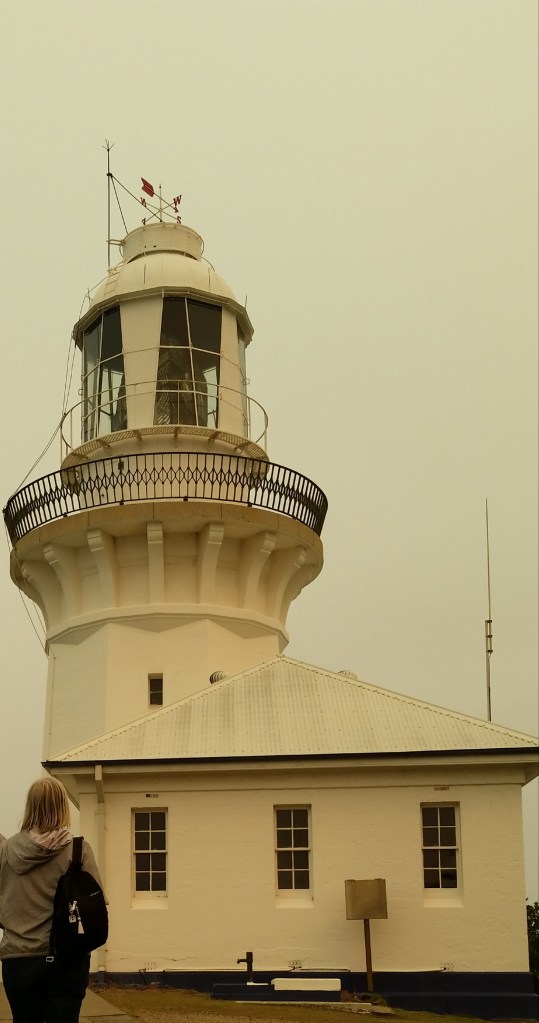
visiting Smoky Cape Lighthouse

Captain Cook first sighted and named Smoky Cape on Sunday 13 May 1770 as he sailed past in his ship, the Endeavour.

Rising above the headland was smoke from the fires of the Dunghatti Aboriginal people, who had been living in the coastal environment now known as Hat Head National Park, and walking these beaches and headlands, for thousands of years.

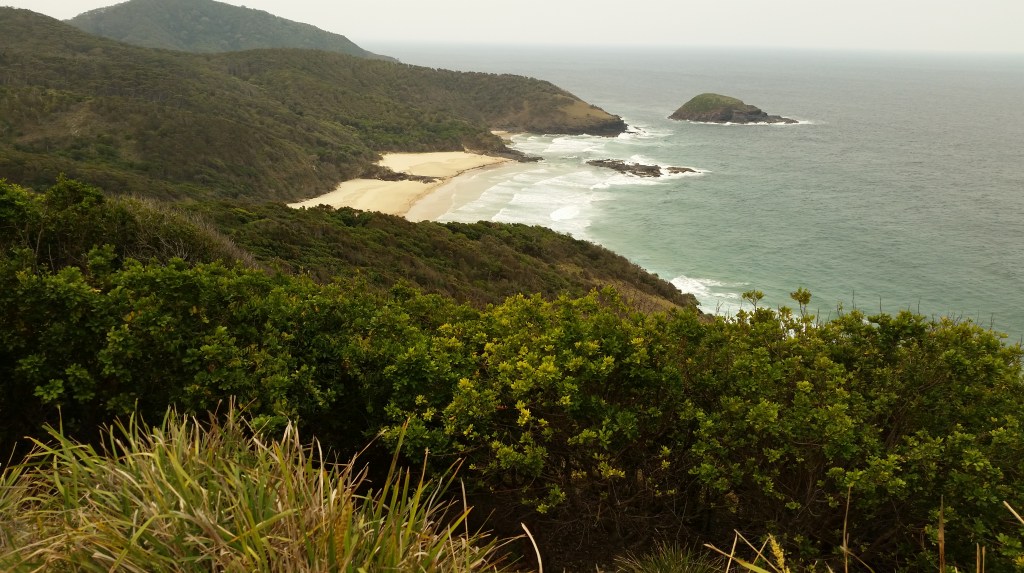
Smoky Cape, New South Wales

Built in 1891, the lighthouse is the most elevated lighthouse in New South Wales. The need for a light at this cape had first been proposed in 1886 by Alexander Kethel, a Scottish-born Australian politician in West Sydney. Australia’s first manned light had been built by convicts in 1791: a wood fired beacon on the south head of Sydney Harbour. That eventually became the site for Australia’s first light tower: Macquarie Lighthouse, built in 1818.

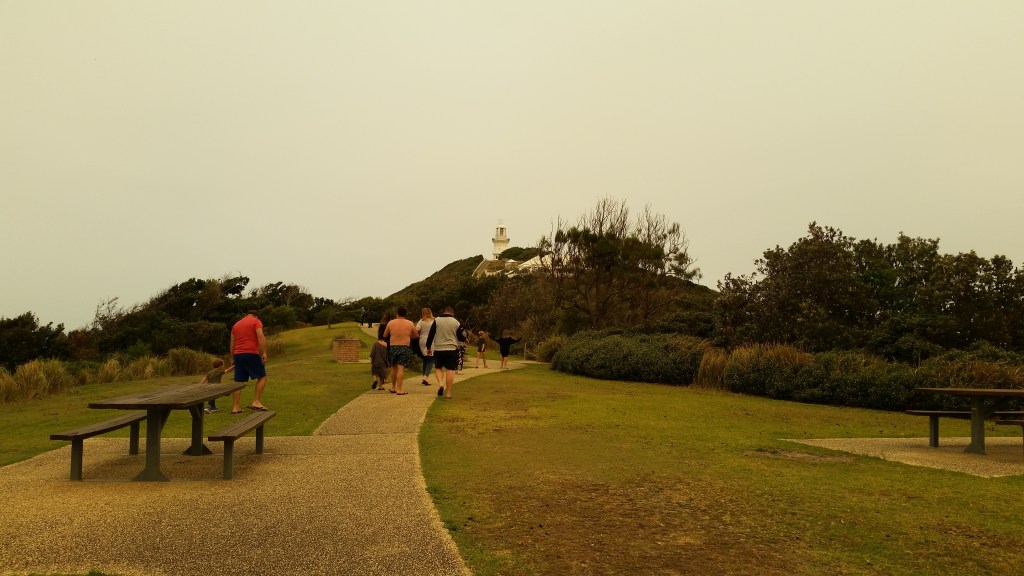
Here at Smoky Cape, you may find glorious coastal views and a magnificent landscape with walking tracks, which is the traditional land of the Dunghatti Aboriginal people, and which continues to have strong cultural significance to them.

a view of Smoky Cape Lighthouse, New South Wales
the path up to Smoky Cape Lighthouse, New South Wales
Kangaroo in Hat Head National Park, New South Wales
Walking track at Smoky Cape, Hat Head National Park, New South Wales
Jamie and Abigail at Smoky Cape Lighthouse

With thanks to the Australian government Maritime Safety Authority for information about this spectacular area and its history.

SC Skillman

psychological, suspense, paranormal fiction & non-fiction

My next book, Paranormal Warwickshire

will be published by Amberley Publishing on 15th June 2020

and is available to pre-order now from Amazon.

Australia and New Zealand Mini Series Part 11: South West Rocks, New South Wales – Trial Bay Gaol and Charlie’s Ghost

This is the eleventh in my series of short reflections on different places in Australia and New Zealand, which I visited in November 2019.

Map of Australia and New Zealand

In my last post I shared my thoughts about the beautiful, dreamlike seascape and wetlands surrounding the Urunga Heads Boardwalk on the Coffs Coast region of the New South Wales north coast. A short distance down the coast from Urunga, past Nambucca Heads, you may find South West Rocks, and the Hat Head National Park. Whilst there, we visited Trial Bay Gaol and Smoky Cape Lighthouse. Today’s post is about Trial Bay Gaol.

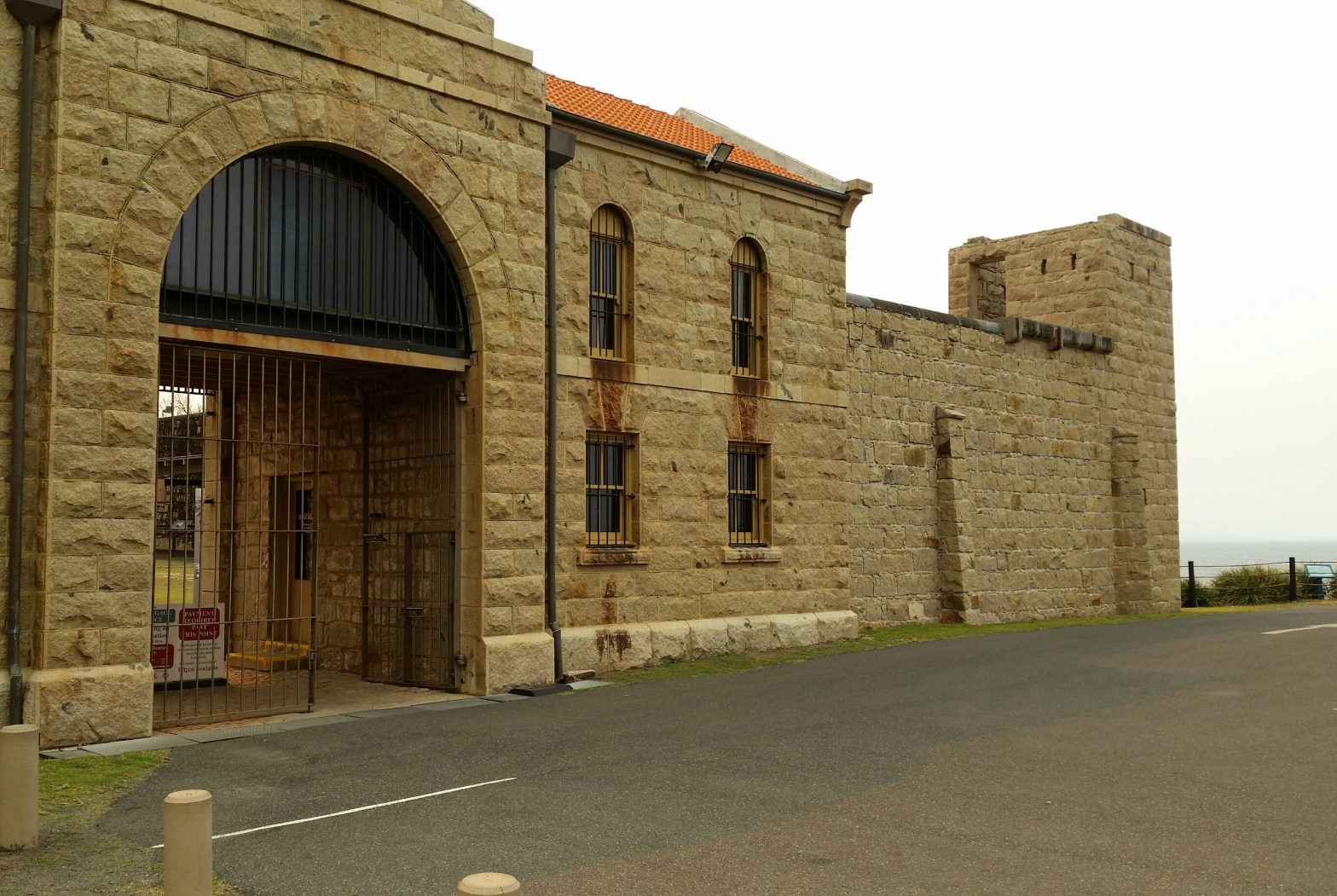
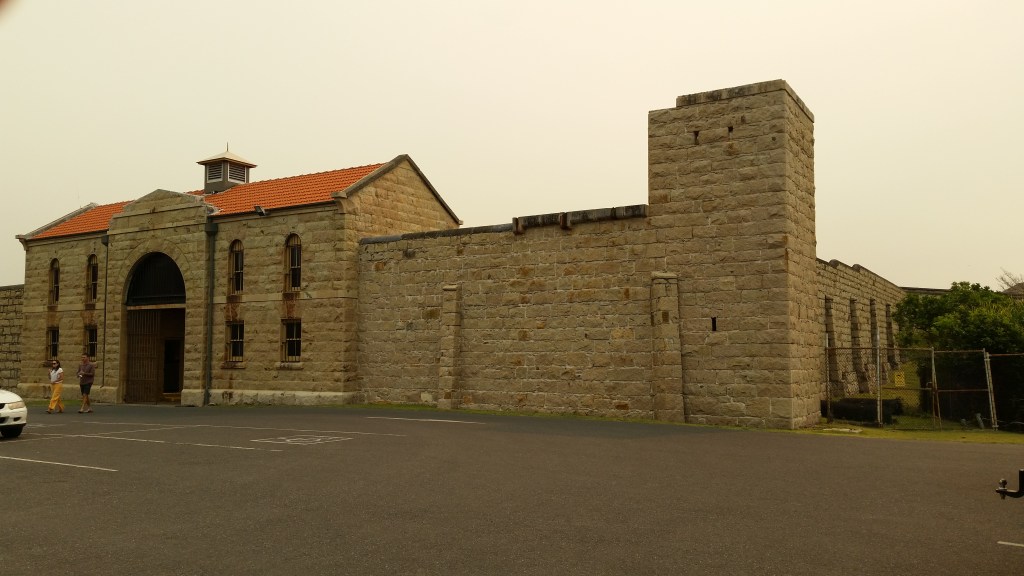
Trial Bay Gaol , South West Rocks, New South Wales

Trial Bay Gaol has a fascinating history which encompasses three distinct stages. Built between the years 1886 and 1889, and now in ruins, it houses a museum which is a popular tourist destination.

Trial Bay offered ships refuge, whilst on their voyage from Brisbane to Sydney. The bay was named after the shipwreck of ‘Trial’. The Gaol was built to house prisoners brought there specifically to build a breakwater, to protect ships during storms. So this was the first stage of the Gaol’s story.

By 1903 the advent of sturdier ships meant that a refuge was no longer needed. The breakwater was abandoned and the Gaol closed.

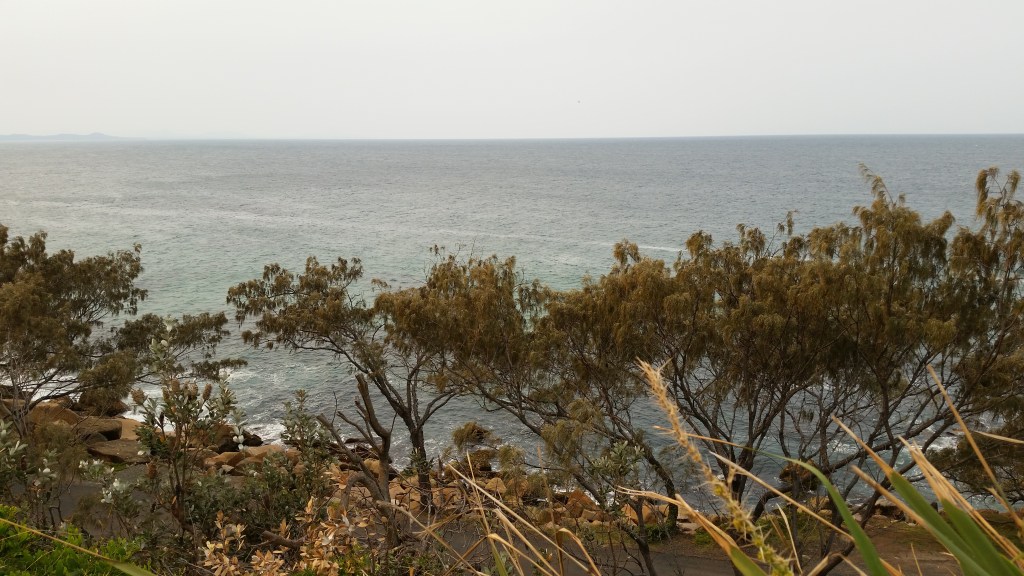
The view from Trial Bay Gaol, South West Rocks, New South Wales

1914 marked the second stage of the Gaol’s history. It was now used to house 500 men of German descent, classified as ‘enemy aliens’. Today, a German monument and a Powder Magazine may be found a short distance from the Gaol ruins. The German prisoners were relocated in 1918

In the 1930s the third stage of the Gaol’s history began, and continued up until the 1960s. Aboriginal people, for whom the area has long been of cultural significance, camped within the Gaol walls. They roamed around the Gaol ruins, and put their initials on the walls. The legend of ‘Charlie’s Ghost’ is very strong among the local aboriginal people. Widely believed to be a previous inmate, Charlie is a reality to them. They have a strong spiritual tradition and believe the spirit of a German prisoner is still there.

Close up view of Trial Bay Gaol, South West Rocks, New South Wales

‘There’s a tree down there and if you climb it you’ll get chucked out of it,’ said Gadan Grahame Quinlan. ‘It’s got to do with Charlie the ghost…. he might have been a “fella” there, an inmate of the Gaol… He’s roaming around there, he’s still there, people feel his presence.’

Aunty Shirley Kelly contributed this story:

‘Gloria, my cousin, she was about eighteen months old and they had a tent there. In the night they could hear her crying like something dragged her out, and then she was outside when they found her. You ask Fred, because Charlie grabbed hold of Fred up here.’

Eddie Moran added his own story:

‘So we walked back from the end of the beach where the lighthouse is…. and Charlie the ghost, he used to come out here. The uncles told me that my grandmother used to pin their pyjamas to her night-dress, so she could feel if they were being pulled out of the tent because Charlie used to come out to camp and poke at them…. she’d feel them tugging and think “what’s going on here?”‘

At the end of the 1960s the aboriginal people moved their camp out of the Gaol ruins and into a camping ground some distance away.

Today, the National Parks and Wildlife Service offers guided tours around the Gaol. The area continues to be of cultural significance to the Dunghutti people.

Many thanks to the National Parks and Wildlife Service for their stories of the gaol and of the aboriginal people who camped within the gaol walls.

SC Skillman

psychological, suspense, paranormal fiction & non-fiction

My next book, Paranormal Warwickshire

will be published by Amberley Publishing on 15th June 2020

and is available to pre-order now from Amazon.

Australia and New Zealand Mini Series Part 10: Urunga, New South Wales

This is the tenth in my series of short reflections on different places in Australia and New Zealand, which I visited in November 2019.

Map of Australia and New Zealand

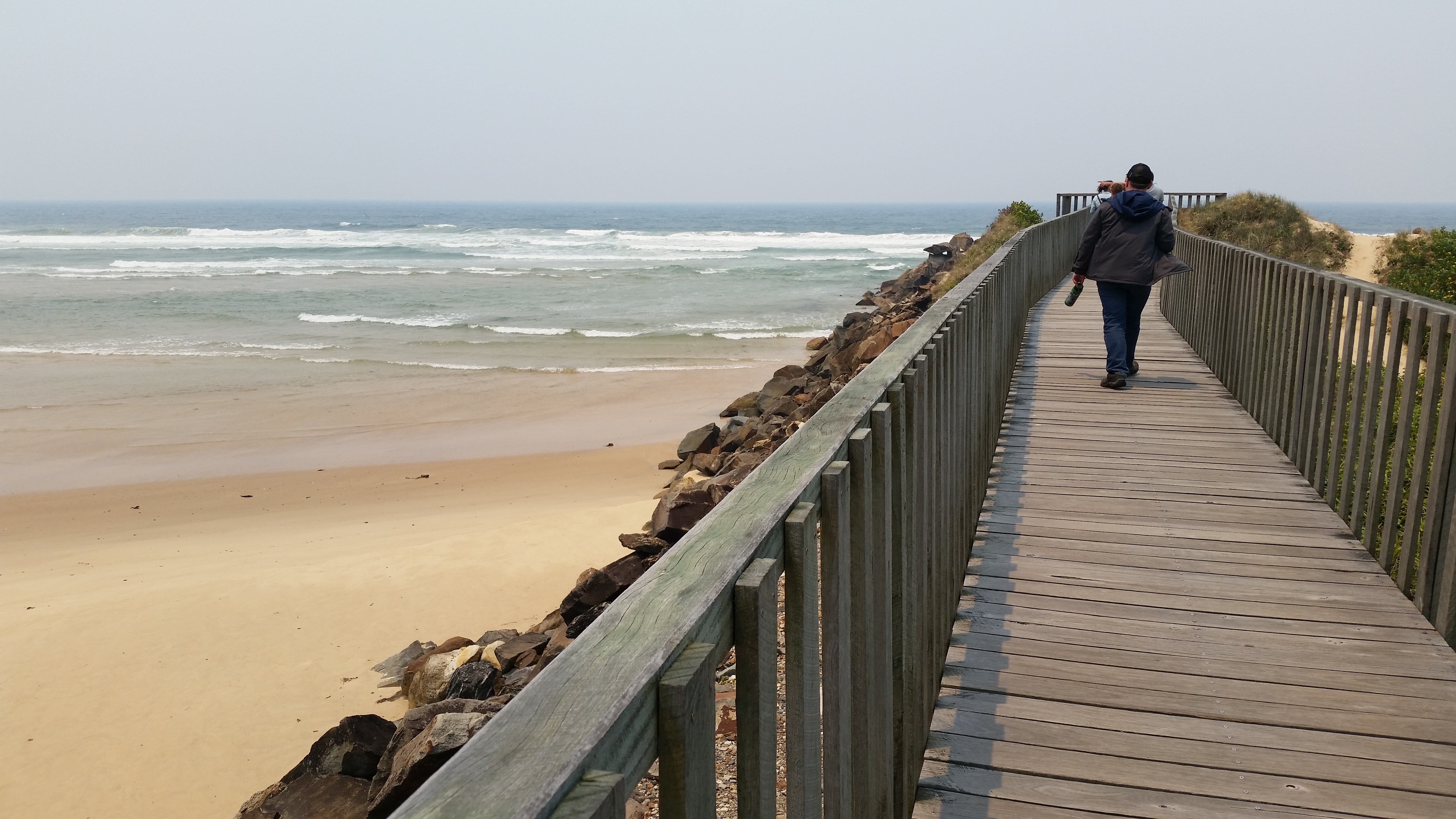
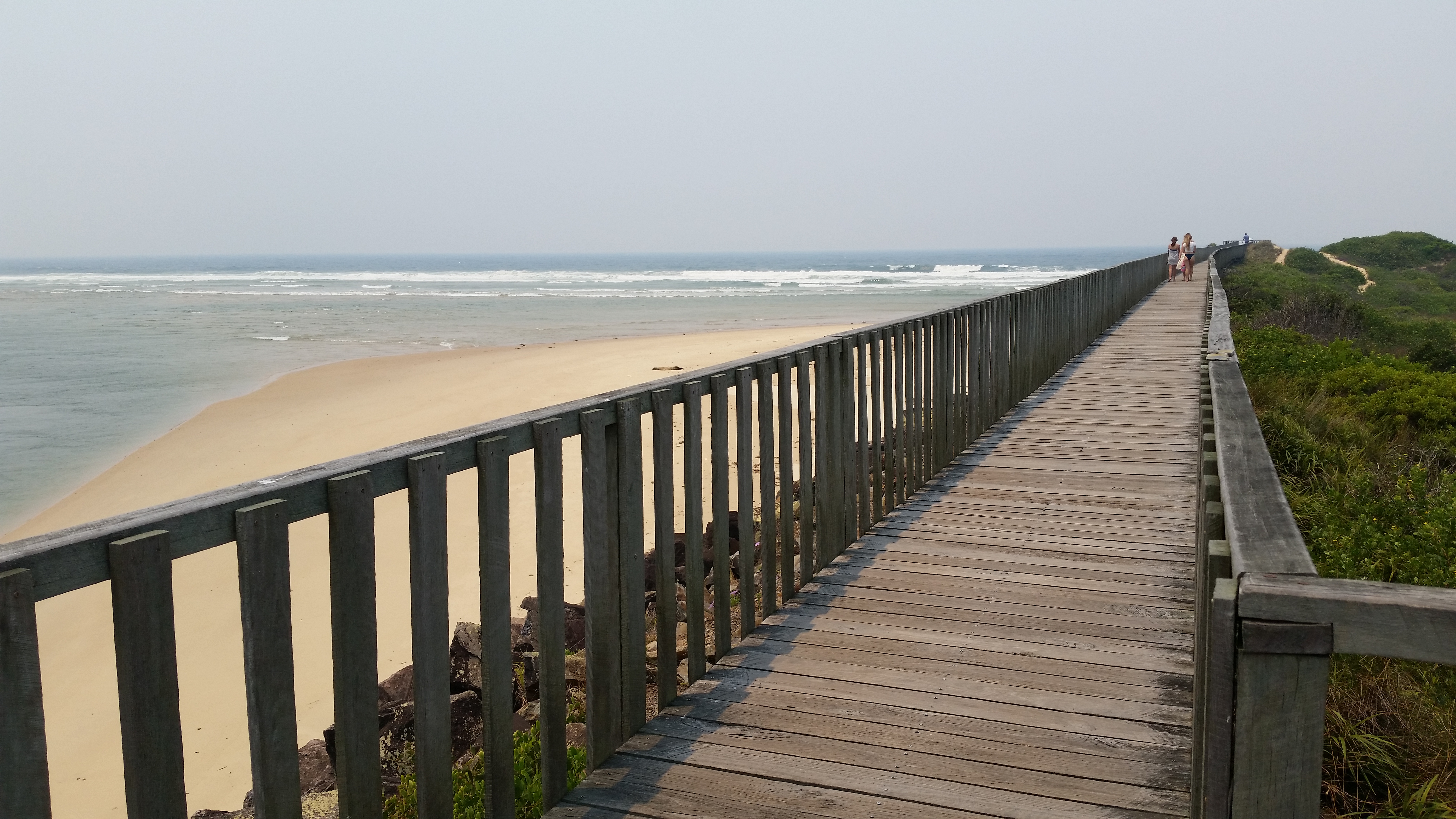
Whilst staying in Sawtell, New South Wales, we visited Urunga, just south of Sawtell.

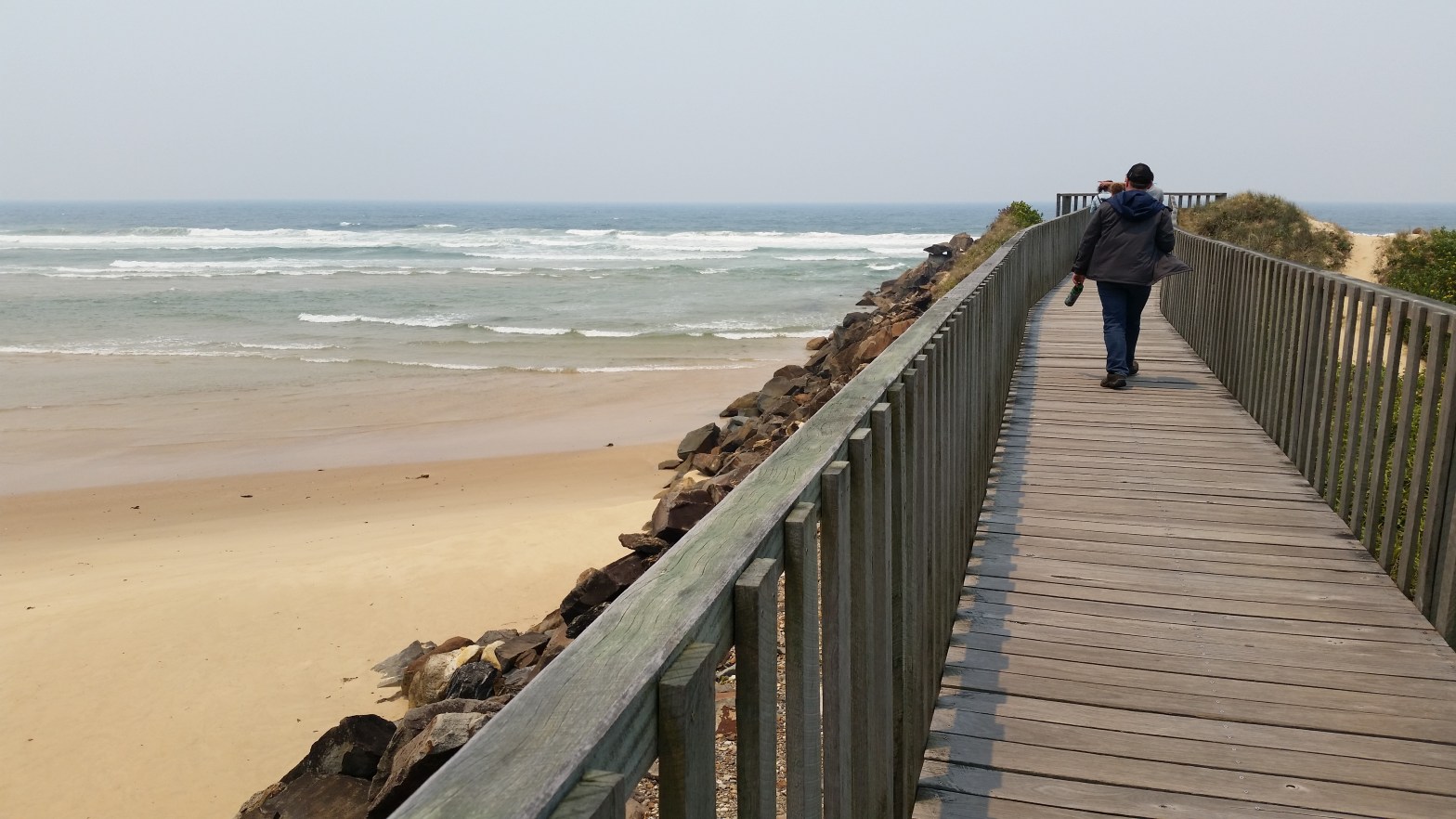
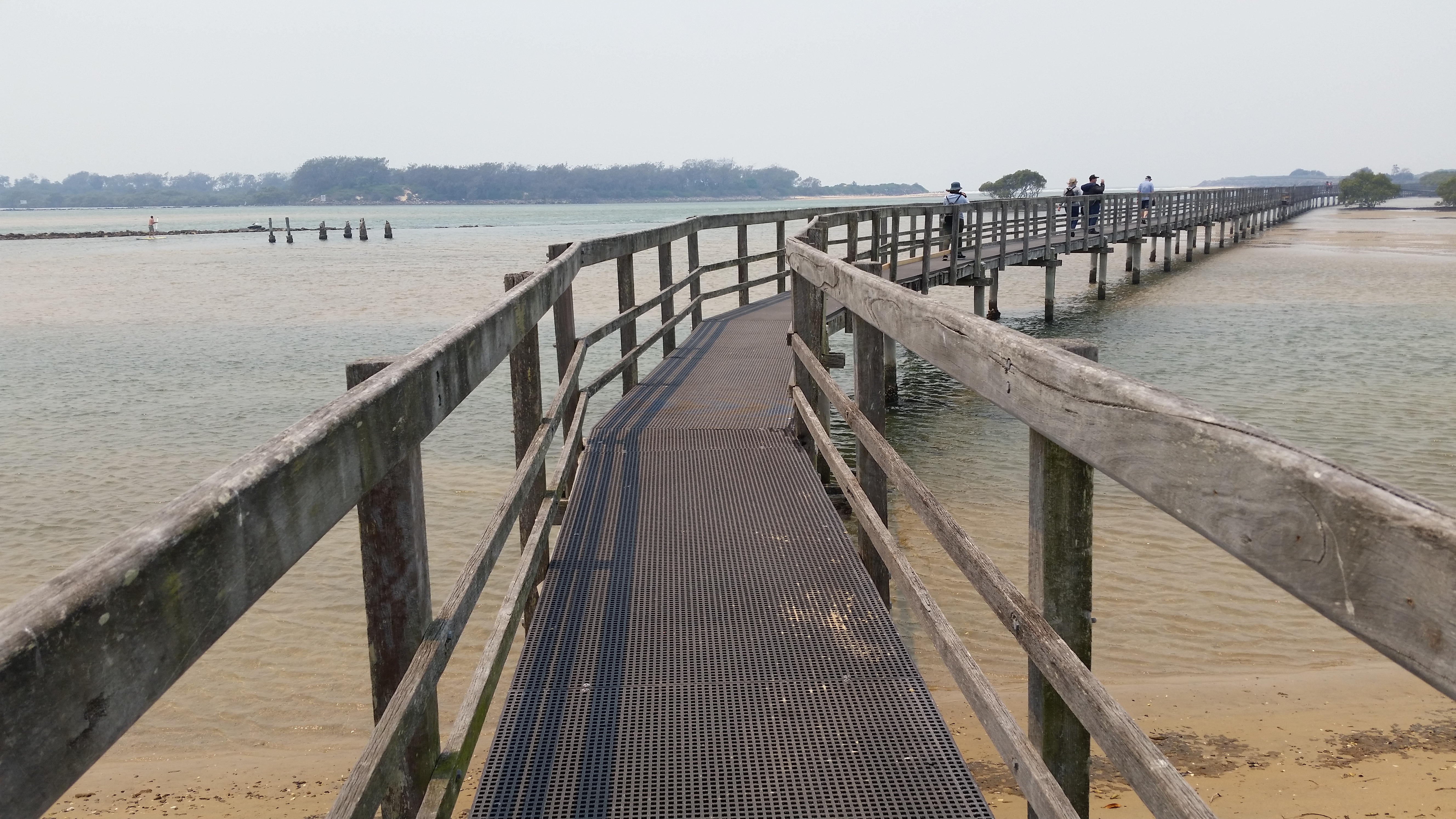
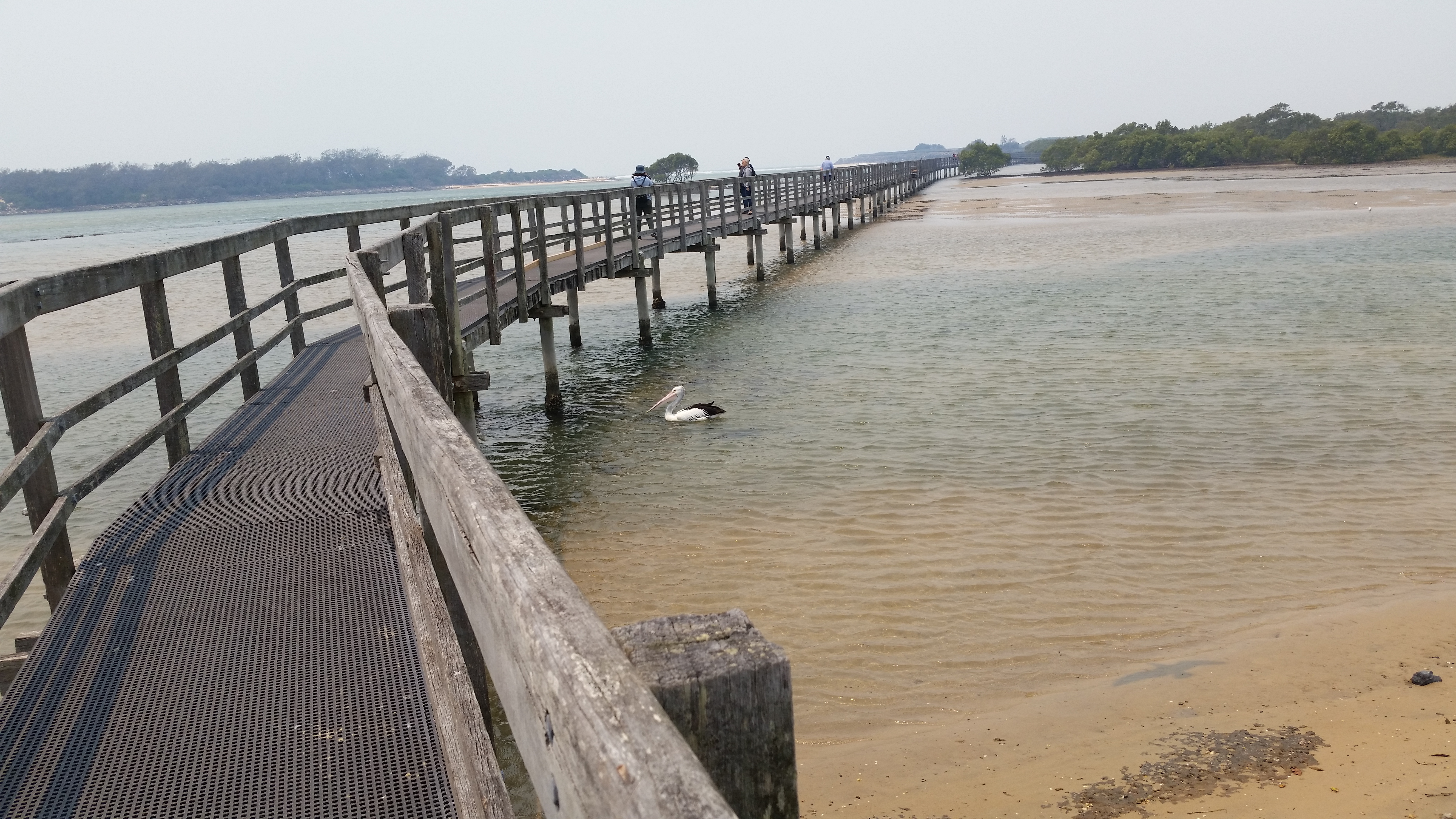
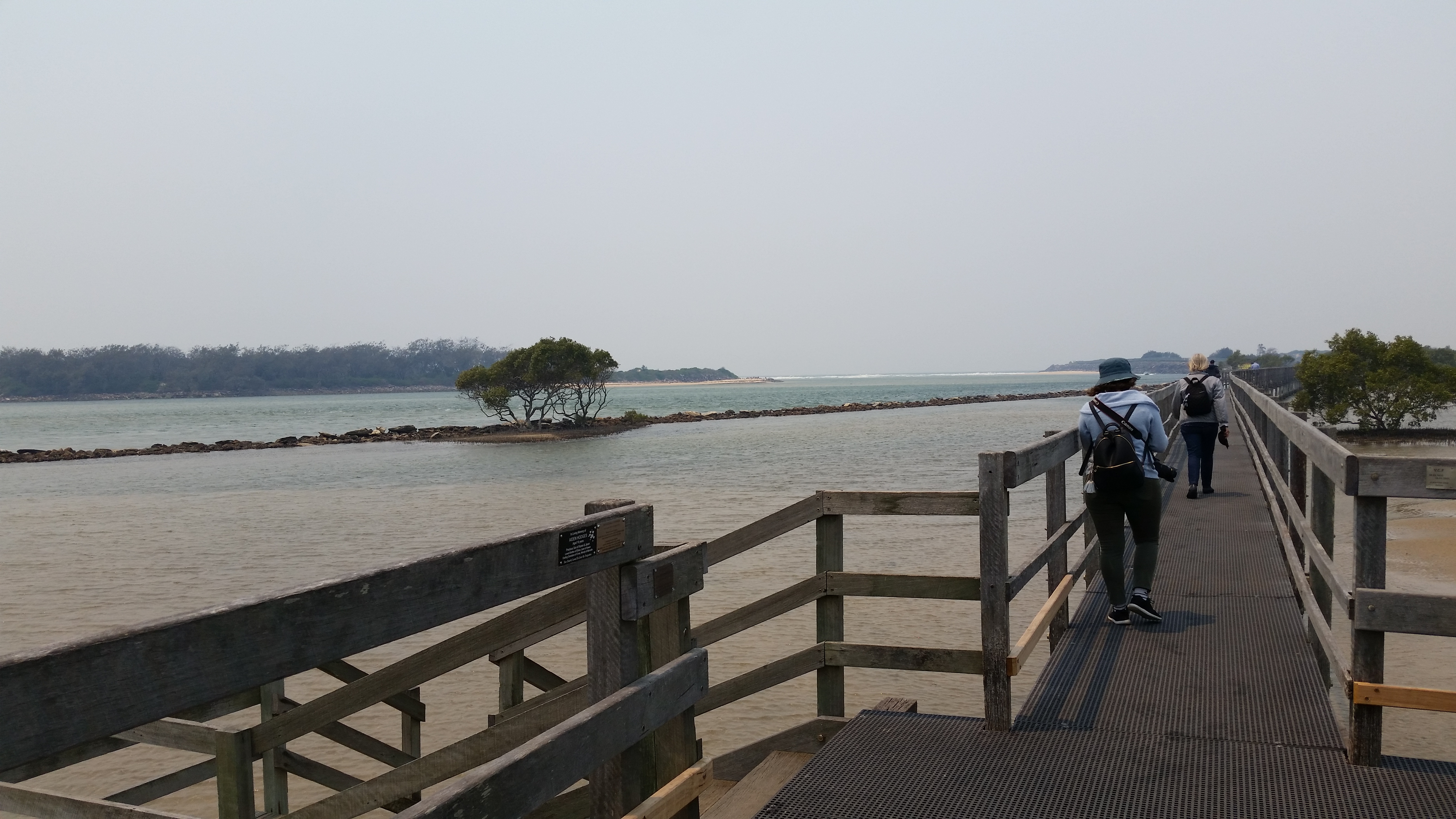
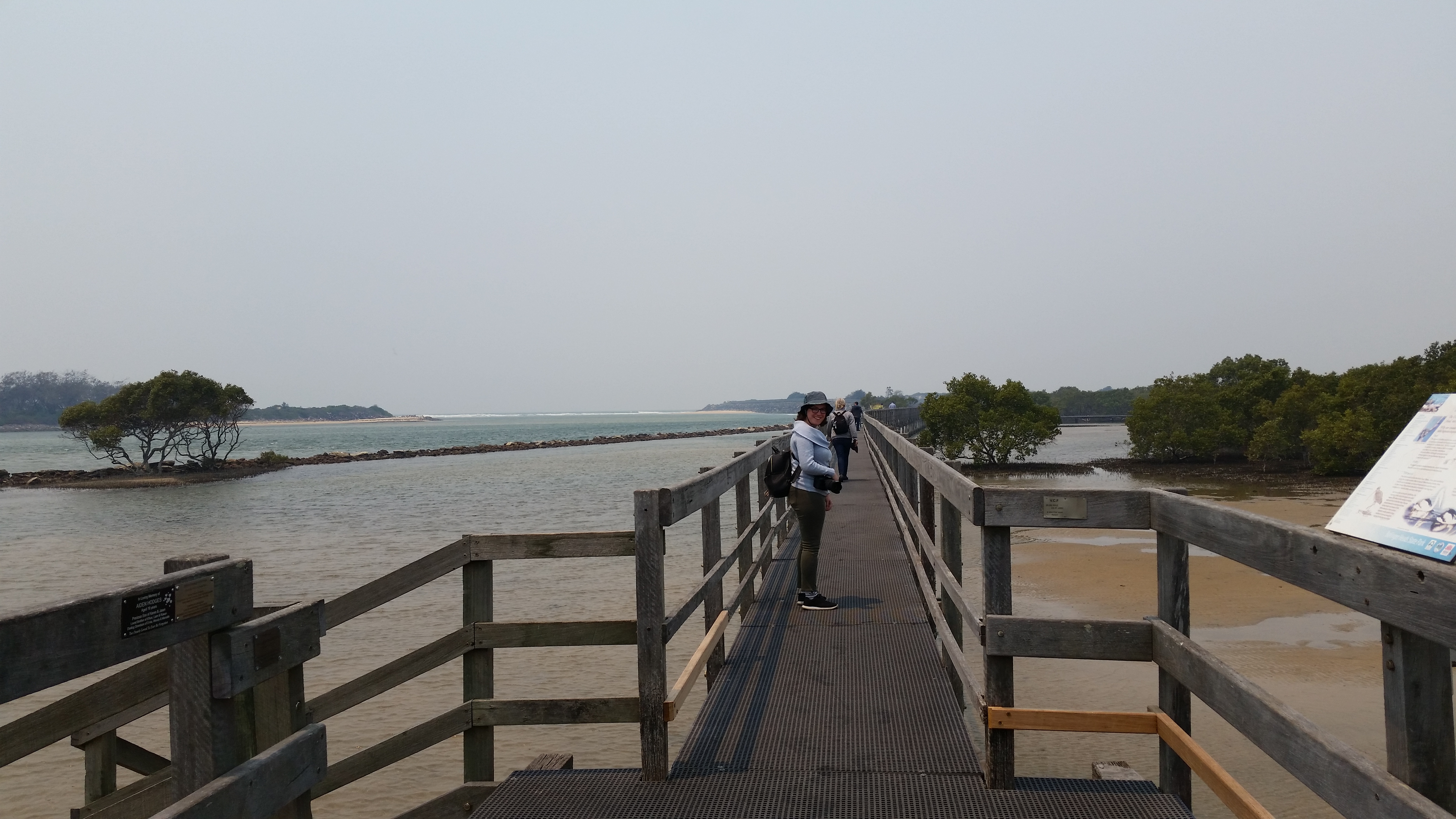
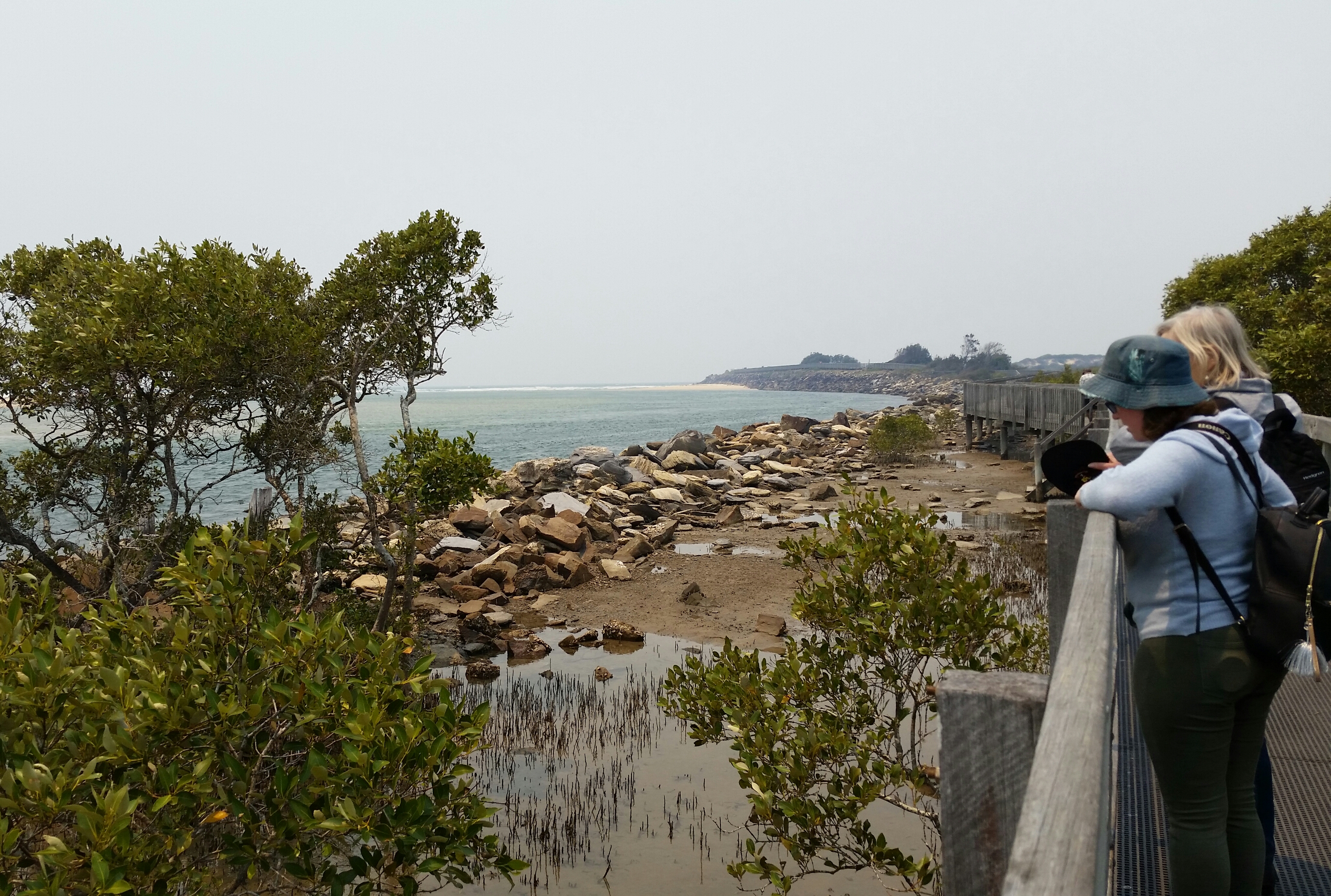
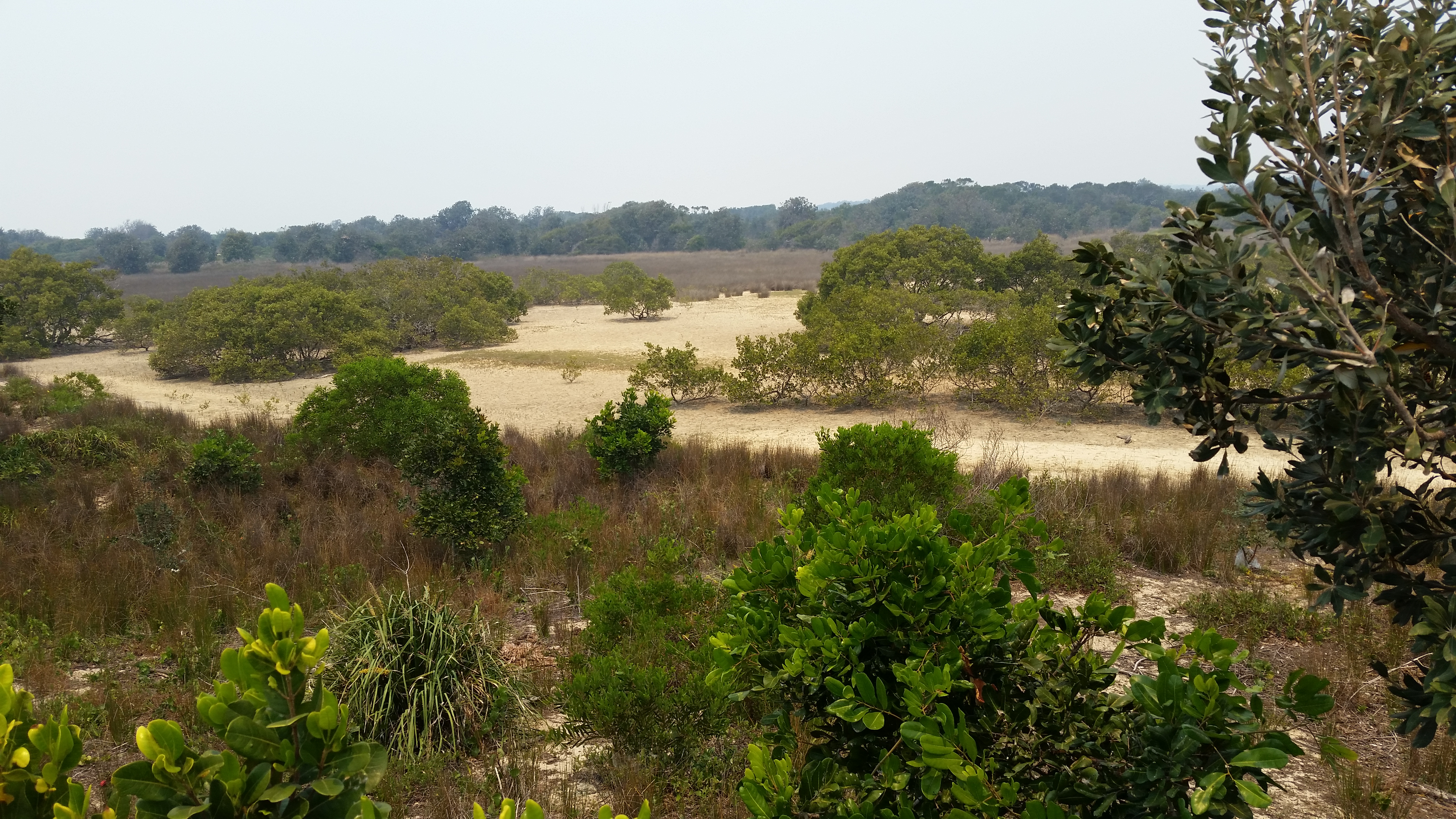
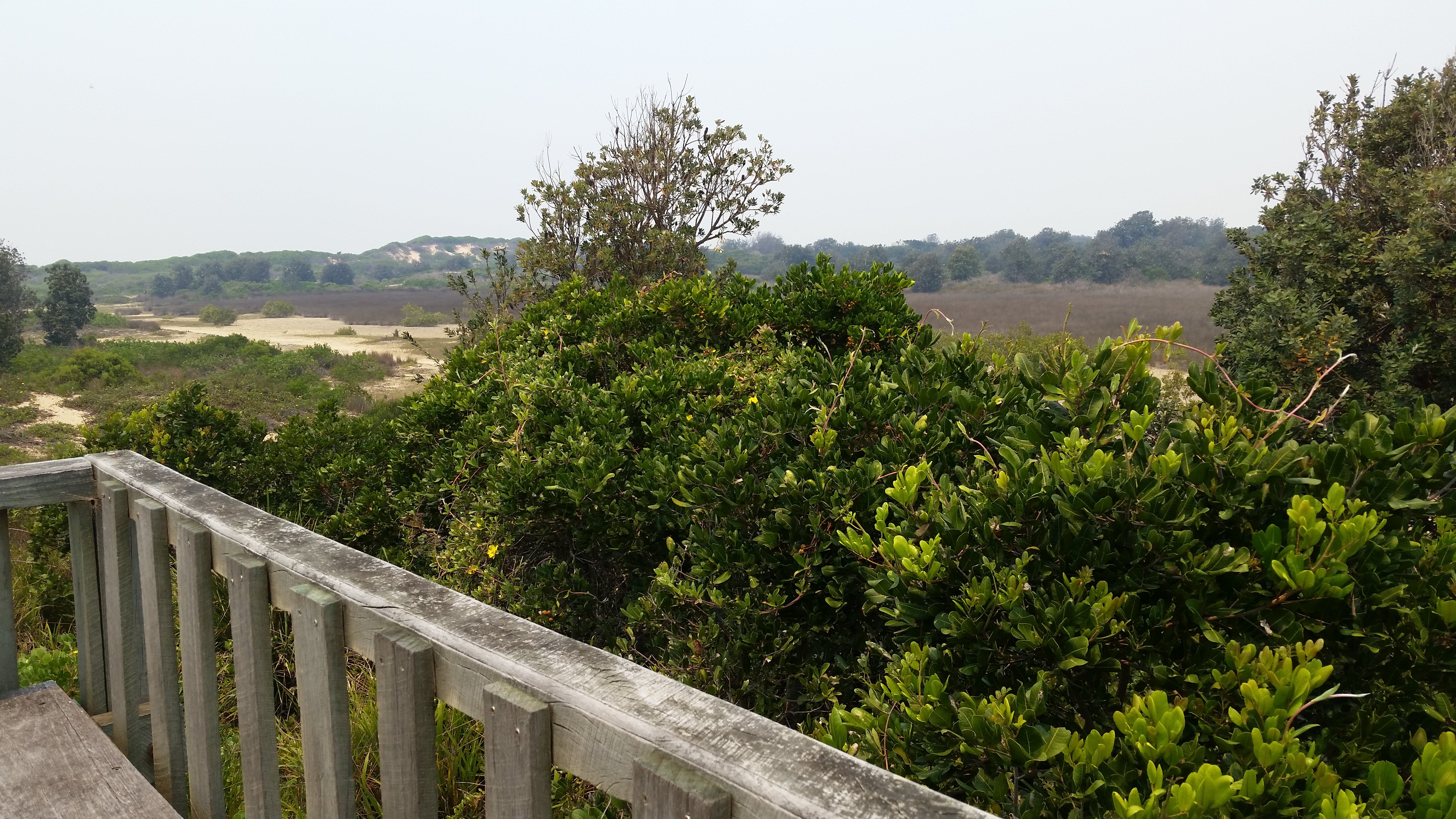
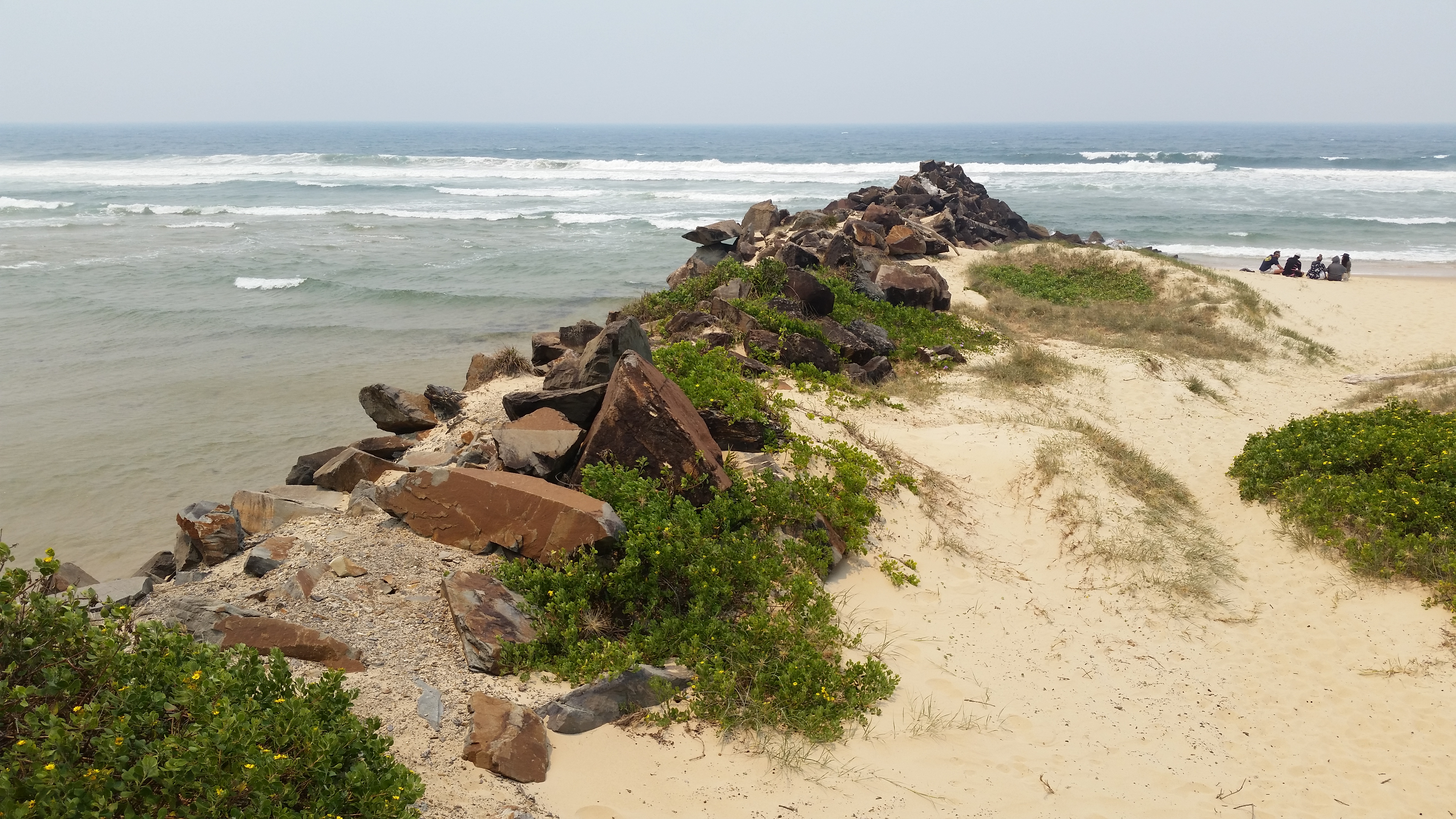
Here we walked along the boardwalk out through the mangrove swamps towards Urunga Heads, where the massive surf of the Coral Sea forms a bar between two headlands. Treacherous rip currents meet calm protected water in the lagoon thus formed.

The outlook along the boardwalk was enchanting, gentle, touching. Here, as in other tourist destinations in Australia, the information signage along the boardwalk was excellent. We had plenty of time to gaze at the outstanding coastal scenery as we walked along the boardwalk. It was almost dreamlike in its beauty: so a stroll along the boardwalk can become meditative.

Later we visited another spectacular point on the New South Wales coastline: Smoky Cape at South West Rocks. More about them on my next post, which will be number eleven in this series.

SC Skillman

psychological, suspense, paranormal fiction & non-fiction

My next book, Paranormal Warwickshire

will be published by Amberley Publishing on 15th June 2020

and is available to pre-order now from Amazon.

Australia and New Zealand Mini Series Part 9: Sawtell Heritage Village, New South Wales

This is the ninth in my series of short reflections on different places in Australia and New Zealand, which I visited in November 2019.

Map of Australia and New Zealand

We travelled south from the Gold Coast along the New South Wales coastline. After visiting Byron Bay Lighthouse we headed further south to Sawtell where we were staying for three nights. On the way we passed through the town of Grafton, further inland, where we saw the terrible effects of the tragic bushfires which have afflicted Australia in 2019 and 2020.

Grafton, New South Wales, November 2019

The air was filled with an eerie orange smog, a frightening and sinister reminder that the bushfires were raging not that far away, destroying homes and wildflife habitats: and that so much of Australia is suffering from dry conditions and extreme heat, and that many have lost their properties and some have lost their lives. As I write, these areas are still desperately in need of rain.

We passed on further down the coast to Sawtell. Here, the air was clearer, and we found our holiday park cabin close to the beach. We could sit outside on the deck in the warm, humid atmosphere, later relieved by a cool breeze. The roar of the surf on the pale golden beach formed a calming backdrop, as did the cicadas, rising in a powerful chorus among the chirping native birds.

Sawtell itself is a delightful and very pretty village to walk around, and is known as a heritage village. A small settlement was developed at Sawtell from 1863. It has an interesting history which you may read here on this website.

From Sawtell we visited two points on the spectacularly beautiful New South Wales coastline: Urunga and Smoky Cape at South West Rocks. More about them on my next post, which will be number ten in this series.

Sawtell Heritage Village, New South Wales

SC Skillman

psychological, suspense, paranormal fiction & non-fiction

My next book, Paranormal Warwickshire

will be published by Amberley Publishing on 15th June 2020

and is available to pre-order now from Amazon.