The Art of Writing Backwards: a Novelist’s Sleight of Hand?

When you saw that title what did you imagine?  A scene from Alice through the Looking Glass?
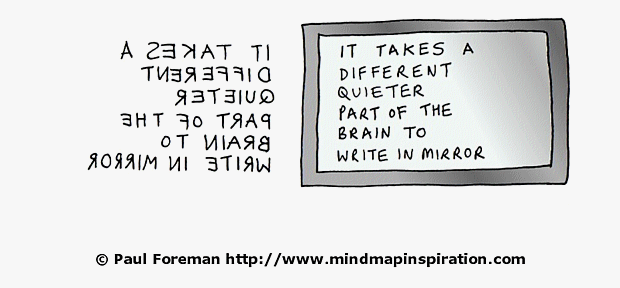
mirror writing credit Mind Map Inspiration

One of those high speed reverse sequences in a magical fantasy film, when everything rewinds? Or perhaps a time-slip scenario?

Or simply an image of mirror writing?
Would it be wonderful if we could indeed start at the end and then proceed to the beginning? Or would it rather be a nightmare? Of course, TS Eliot encapsulated this idea when he wrote: The end of all our exploring will be to arrive where we started and know the place for the first time.

In one of the chapters of my book Perilous Path I looked at the seemingly paradoxical idea of writing a book in reverse. In many ways this idea appeals to me. After all, when we consider the obstacles a writer confronts during the creation of a novel, it seems that all the problems are wrapped up in the tyranny of time. The journey of a novel is often about getting to know your characters and allowing them to reveal to us what we’re writing about. 

Robert McKee in his excellent book Story says every story has a controlling idea; and the controlling idea is embedded in the final climax of the story. In fiction, controlling ideas are below the surface. So in one sense the process of writing a story does indeed involve travelling backwards, on an unconscious level. You will find more about this in my chapters in Perilous Path inspired by the theories of Carl Jung.

Our controlling idea, I believe, may not necessarily be fully worked out on a conscious level. It is hidden deep in the unconscious and the act of writing a work of fiction may simply be the working out of this, and the process of bringing it to the surface, and out into the light. Thus on an unconscious level we do indeed write backwards.

Some novelists start a first draft with their characters, and begin telling the story, and go where their characters take them. Finally the controlling idea is revealed. Then we might say they go into reverse, moving back again, and imposing structure in subsequent drafts. Others plan the novel out in detail using the 3-act structure, plotting out the story points before they begin writing. Perhaps, for them, the controlling idea is already out in the light and clearly defined.

Examples of controlling ideas include: ‘Goodness triumphs when we outwit evil’ (The Witches of Eastwick by John Updike). ‘Justice prevails when an everyman victim is more clever than the criminals.’ (The Firm by John Grisham).’To love with integrity requires personal worldview transformation’ (Pride and Prejudice by Jane Austen). Here are some very helpful blogs upon the subject of The Controlling Idea by Shawn Coyne and Steven Pressfield.

My writers guide Perilous Path may also be helpful; signed copies are available and may be ordered from this website.

The Extraordinary Animal That Is Grief

This week I am reblogging a post by an author whose books I love, and who writes a blog called Zen and the Art of Tightrope Walking. Today, Vivienne Tuffnell writes with sensitivity and discernment about grief. I was particularly moved by what she writes, and responded to her post with my own comment. I hope that her words may strike a chord with those who may have suffered bereavement during this coronavirus crisis, and indeed, at any time.

Viv's avatarZen and the Art of Tightrope Walking

The Extraordinary Animal That Is Grief

I thought I knew about grief. I’ve written enough about it, after all’s said and done. I thought I understood it.

But I realise that like a child who paddles on the shores of a vast ocean, sometimes venturing in deeper to swim, I only knew what had so far presented itself to me. Oh I’ve maybe snorkelled a bit; sailed out into the open on a calm day; watched the storms from the shore; read books on the subject.

This spring has been a spring like no other. In the first week of the UK lock-down, my mother passed away, less than seven months after my father. Amid that shock came the immense changes to daily life and the sudden ramping up of the baseline anxiety I experience most of the time. Friends lost beloved relatives and friends to the virus; the whole…

View original post 686 more words

Please Welcome Ritu Bhathal and her Debut Novel “Marriage Unarranged!”

Today I’m sharing with you another blogger’s post about a novel I recently read, “Marriage Unarranged” by Ritu Bathal. I thoroughly enjoyed this novel which its author describes as “chick-pea-lit”. It gives fascinating insights into the family dynamics of Asian families in Birmingham and also opens up for us modern India. I have never forgotten my own trip to India a few decades ago ; it shocks and entrances in equal measure. Ritu conjures up the atmosphere of India, the sights, sounds and smells, the highs and the lows, in a vivid, lively and entertaining narrative. A highly recommended read.

Lisa Orchard's avatar

Hello everyone, I hope all is well with you. Today, I’ve got a special treat for you. I’ve got Ritu Bhathal as a guest and she’s telling us a little bit about her writing journey and how the Corona virus affected her. So, without further ado. Take it away, Ritu!

Ritu Bhathal

It was an amazing feeling, finally typing THE END after the last words on my manuscript that I had literally poured eighteen years of my life into.

Obviously, that wasn’t the end, by any means.

There was the fun of editing, with rewrites and tweaks, feedback from beta readers, then cover design, and all the marketing.

And then, just like that, the Publication Day was upon me.

I finally let my book baby free, and sat tight, waiting for the sales, then reviews.

Will they love it?

Will they hate it?

Oh my God, I am the worst writer! Why…

View original post 1,065 more words

#SocialDistancing #Walks in Enchanted Woodlands

I admit I rather like taking nature walks where everyone we meet is social distancing… with a polite smile, other walkers withdraw into the shrubbery or the bracken and we pass each other by at a safe distance, or with jokes about whether we are on the right route and whether we’re going round in circles and have seen each other before.

So it was in Thickthorn Wood, Kenilworth. Only the sound of cars rushing past on the A46 between Warwick and Coventry in a newly-loosened lockdown slightly detracted from the exquisite melody of the birdsong.

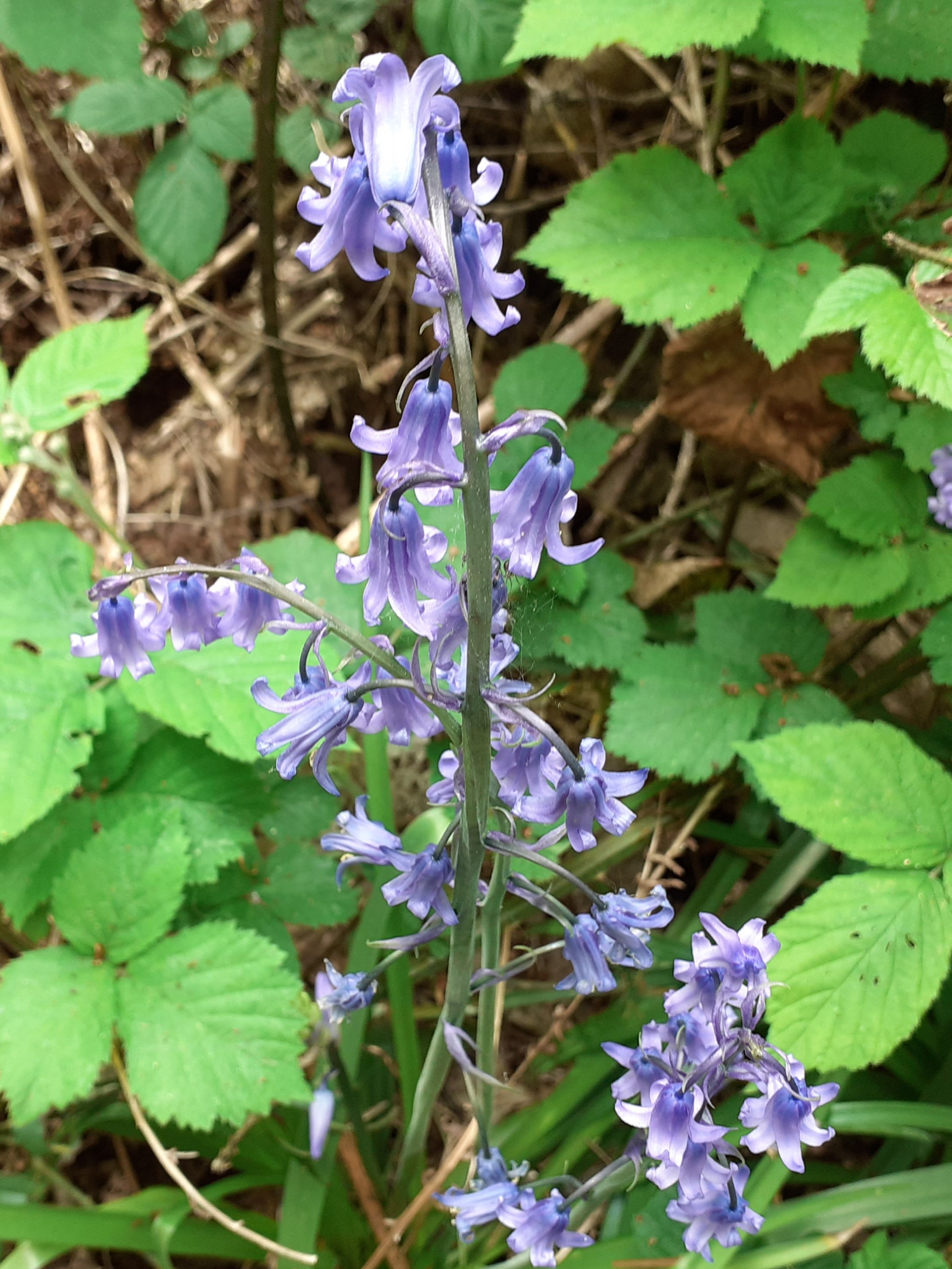
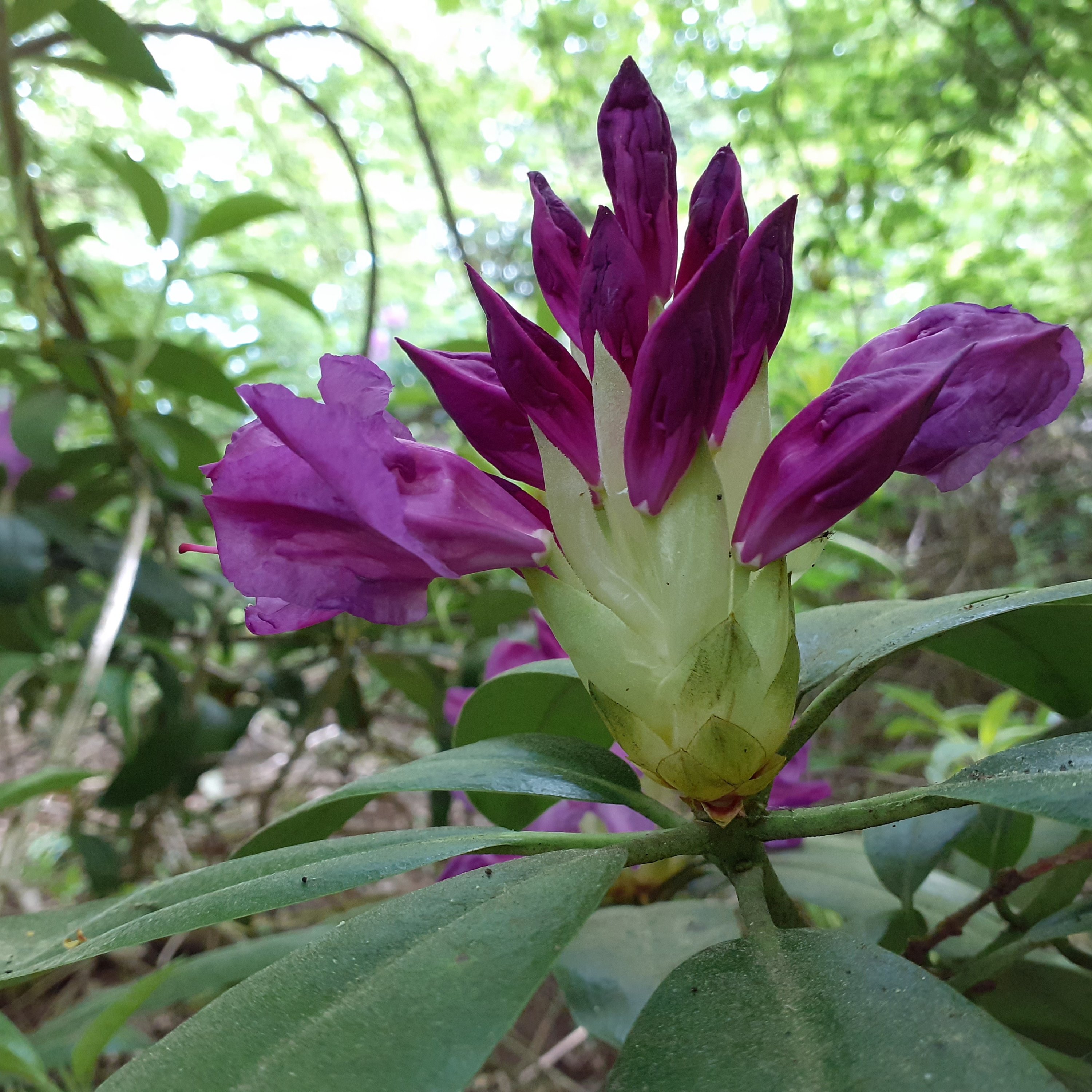
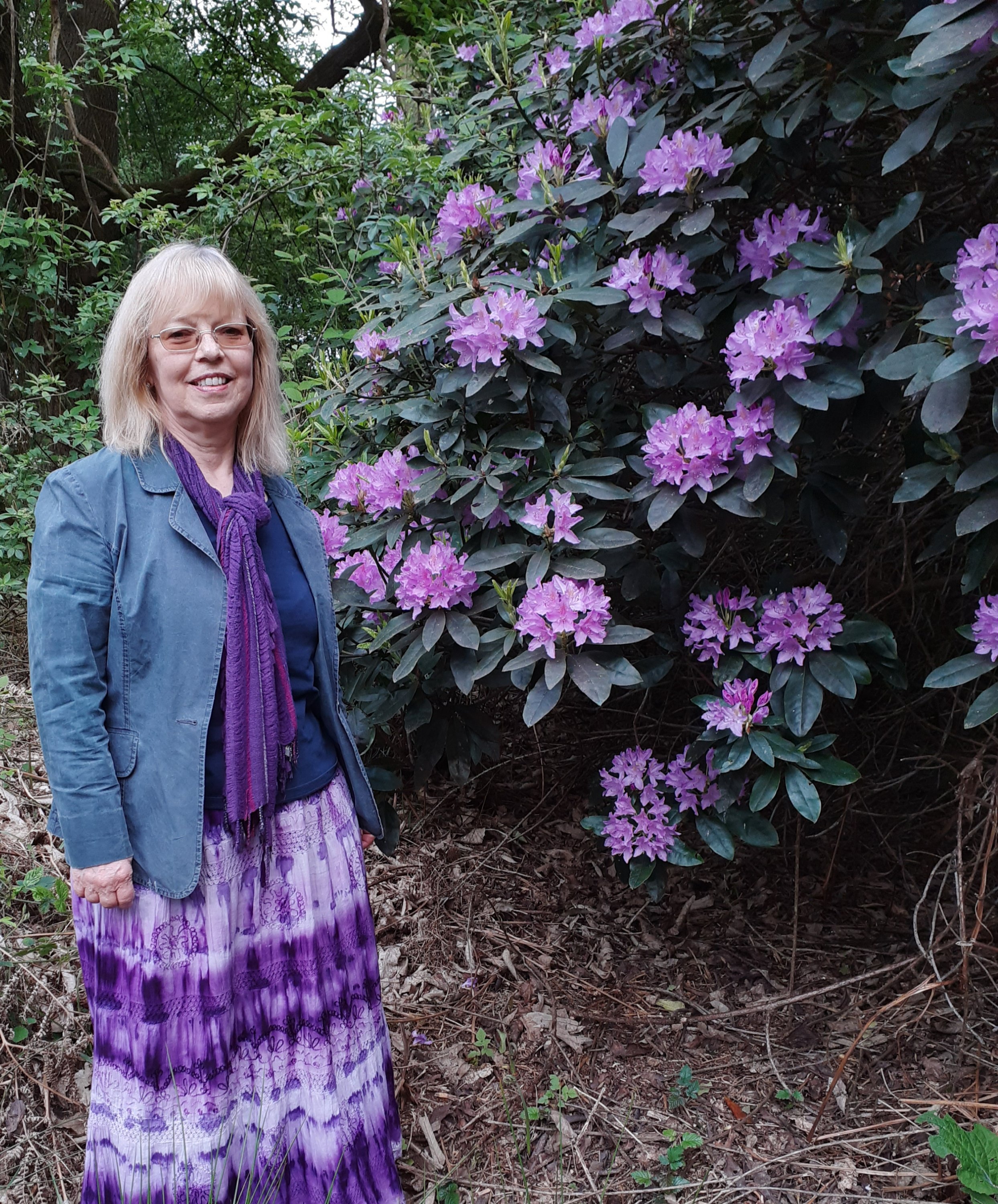
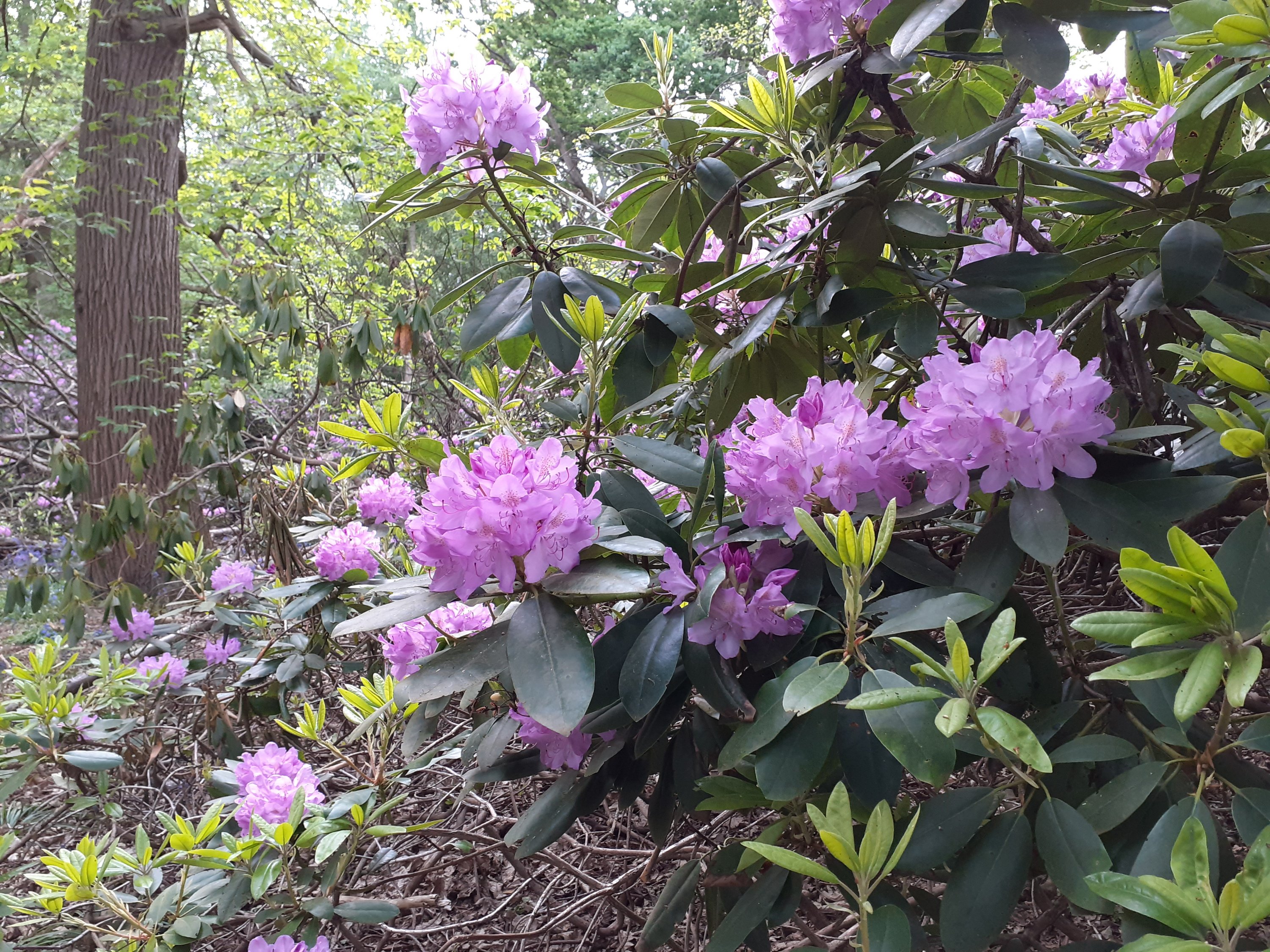
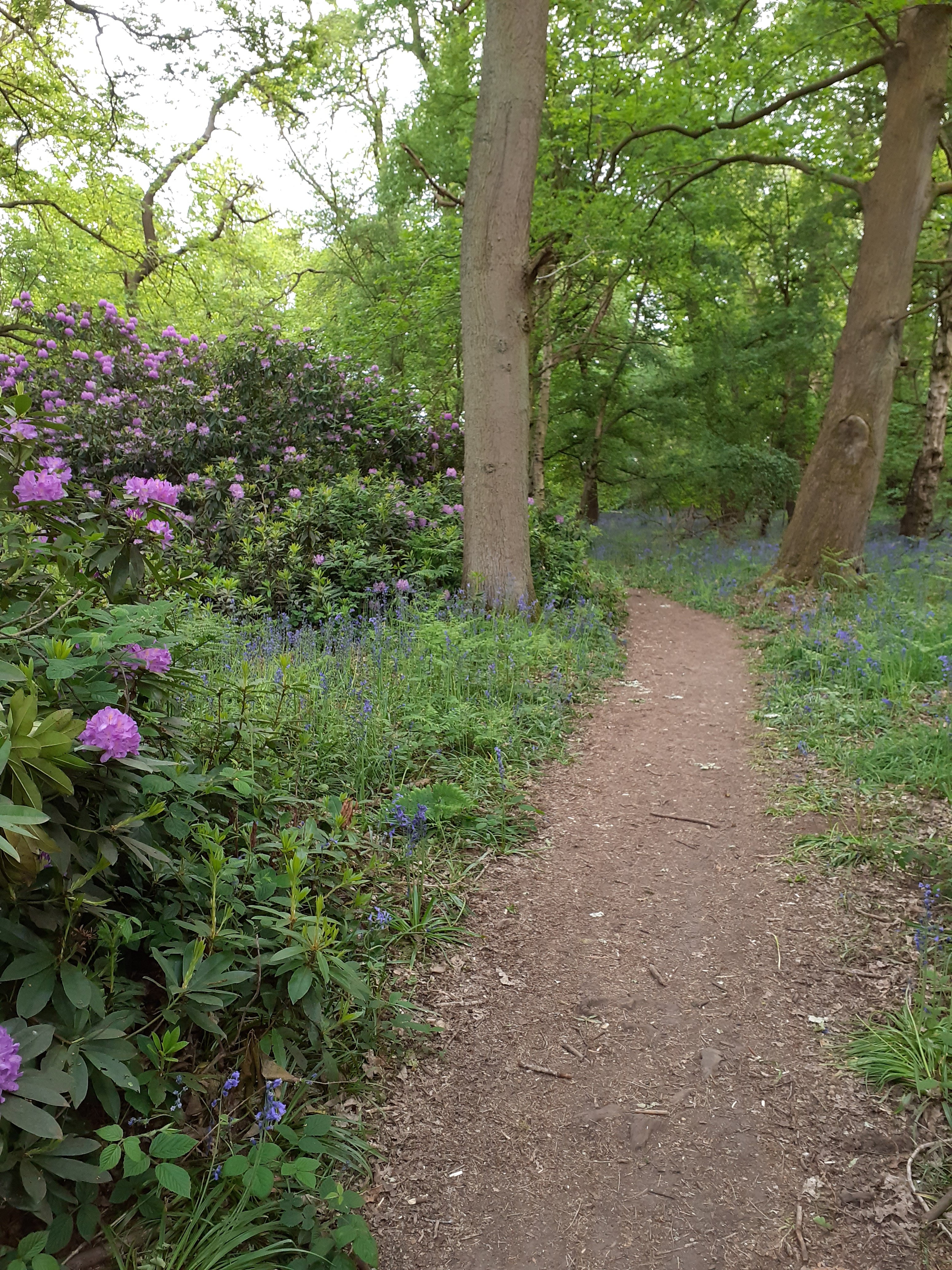
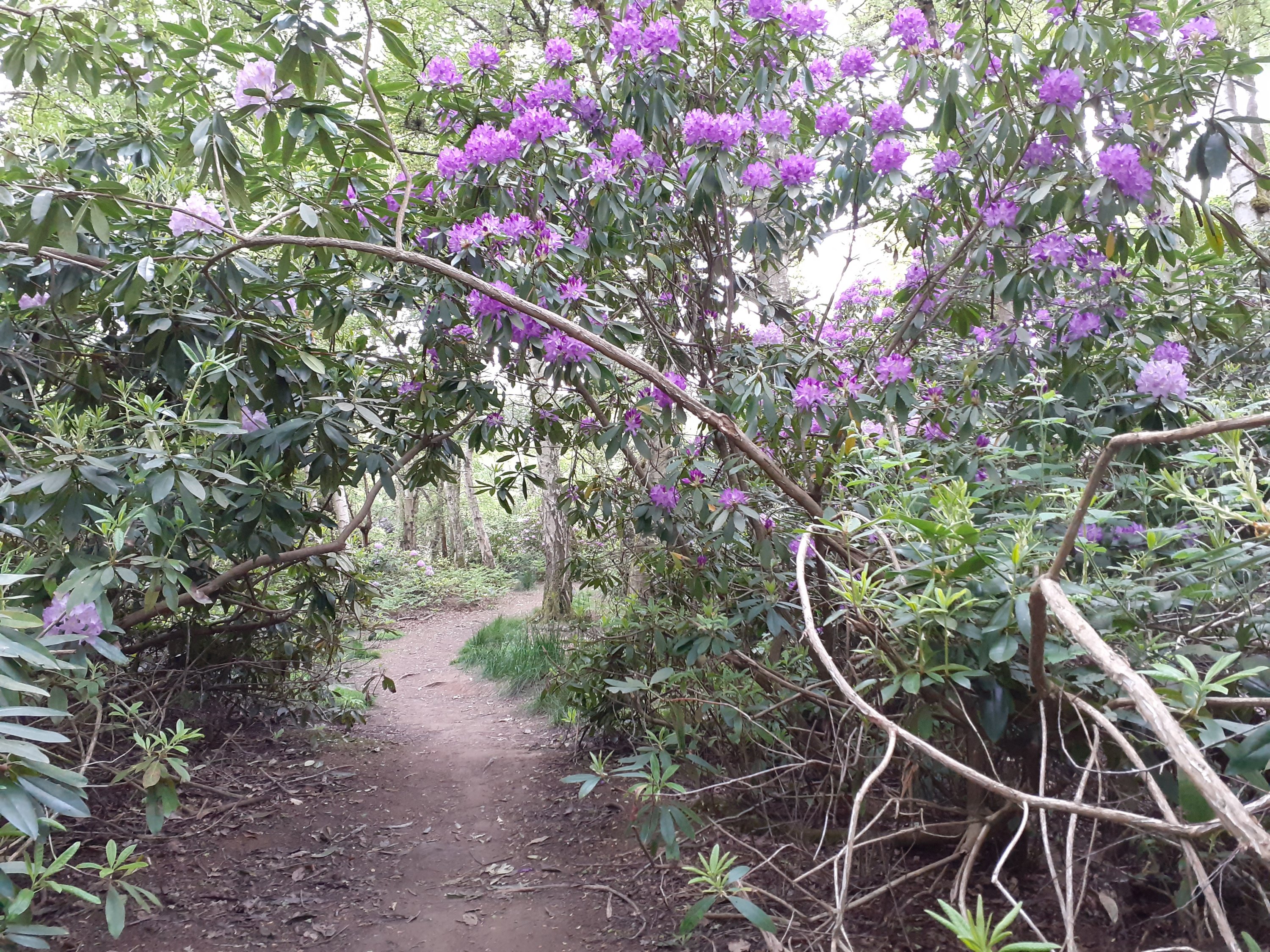
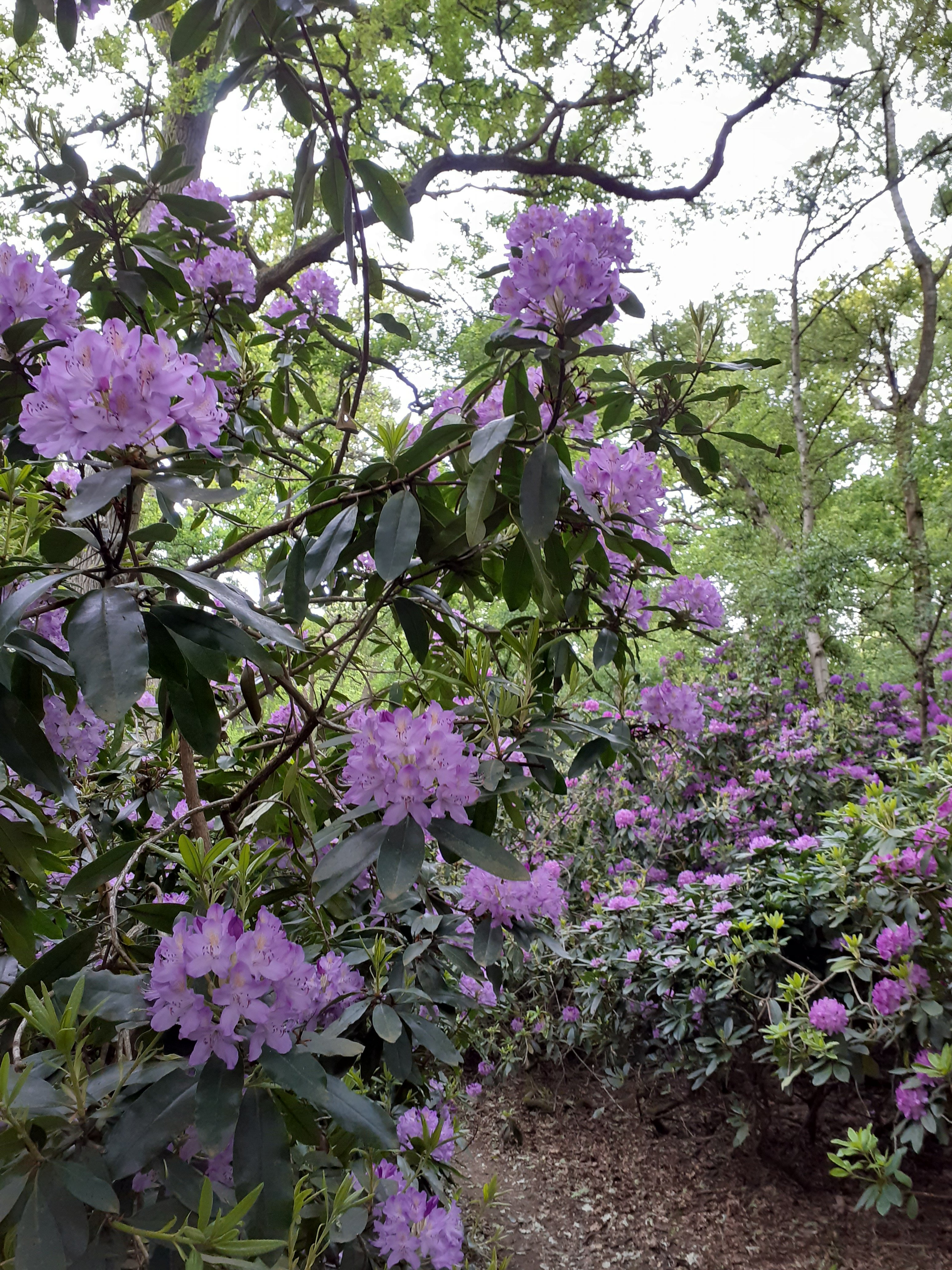
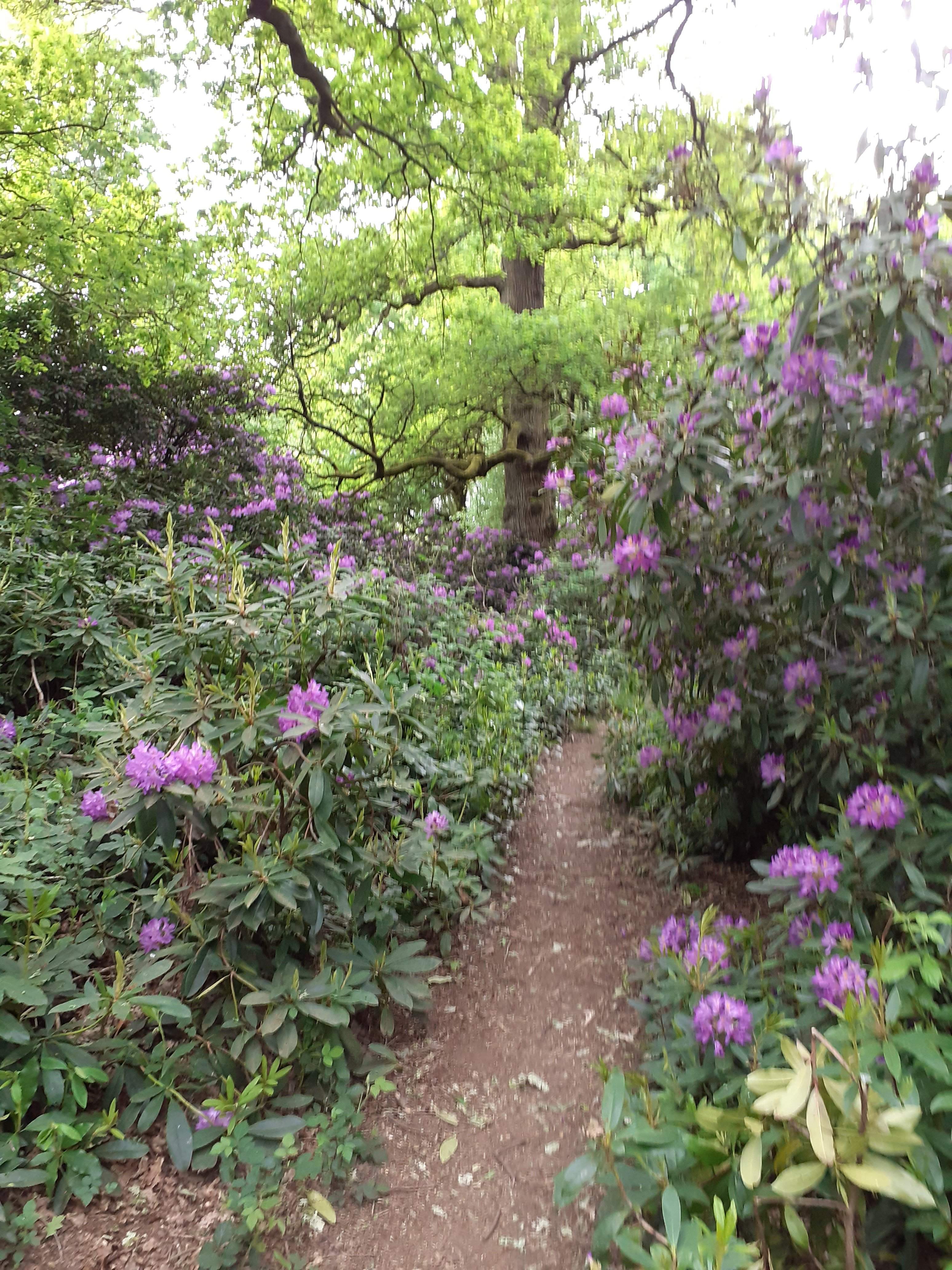
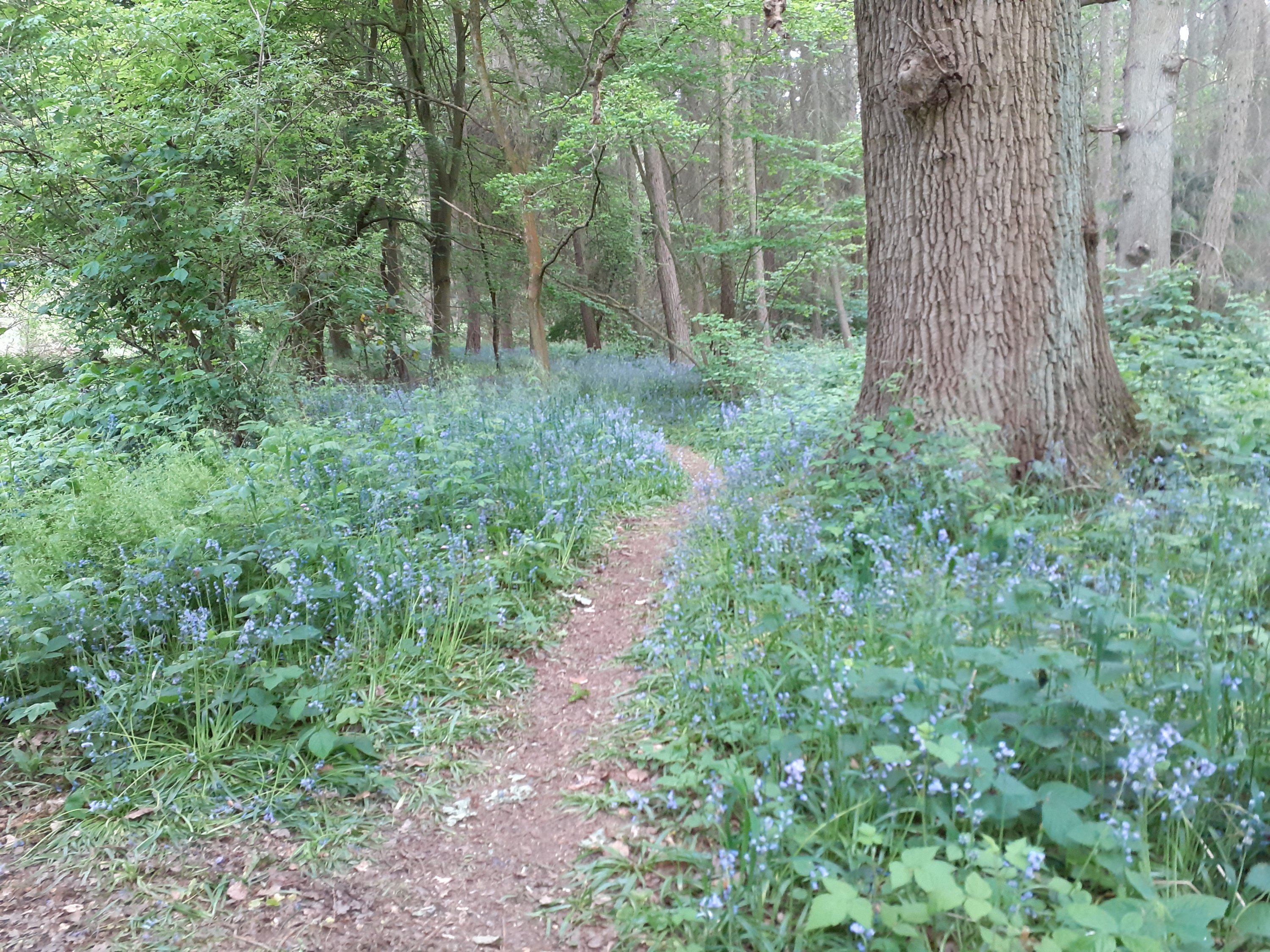
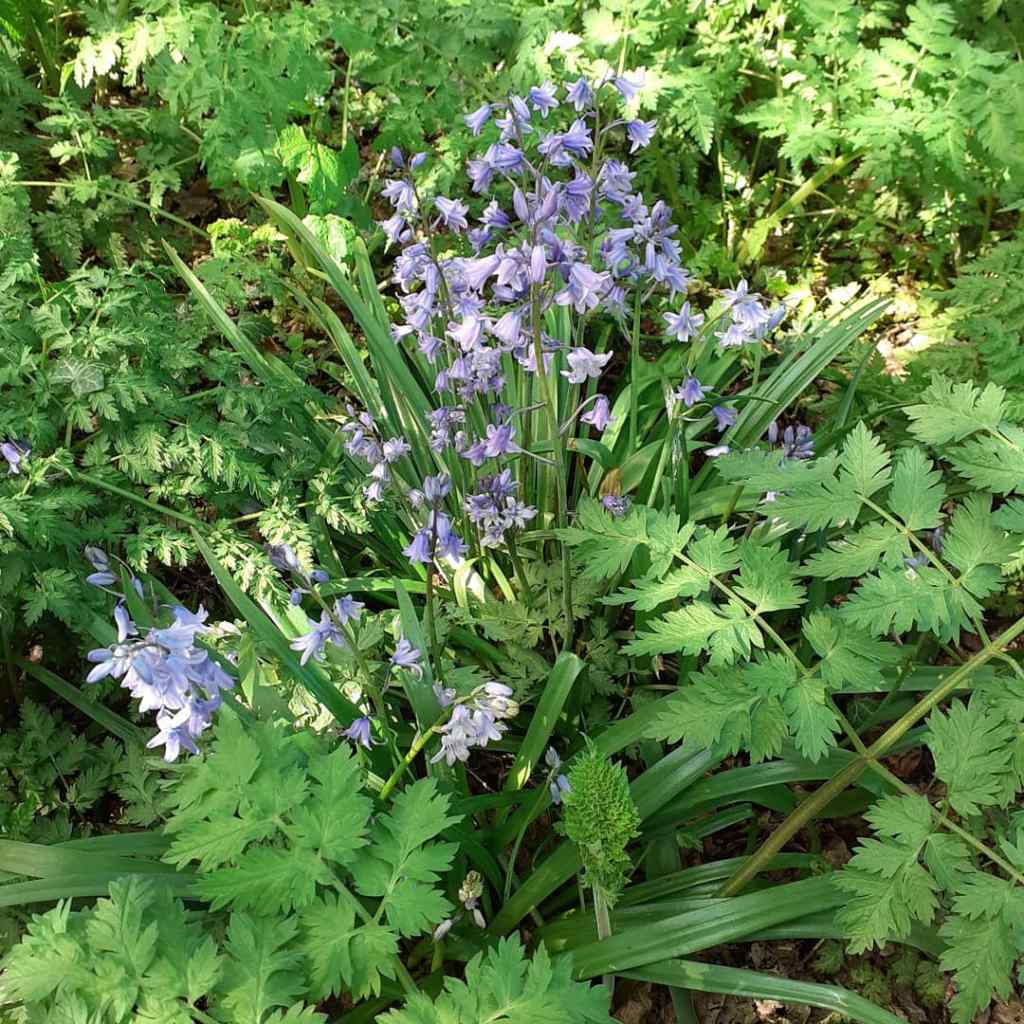
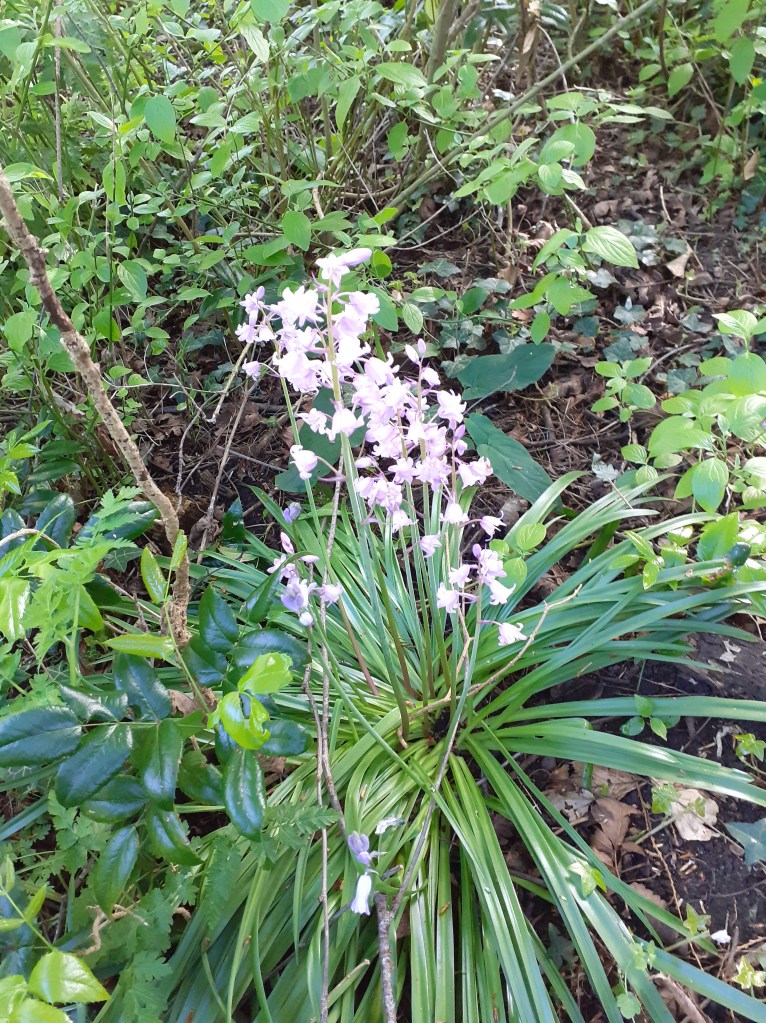
Glorious rhododendrums and bluebells gave this woodland the feeling of an enchanted forest. I could almost imagine Merlin and Arthur making their way along the track on white horses, searching for Nimue to try and persuade her to cancel one of her magical conspiracies against the inhabitants of Camelot….

Inspiration for Creative Writers From Grayson Perry in Grayson’s Art Club

Honesty and truthfulness – these are the outstanding virtues of a great artist. And as a creative writer I am currently finding inspiration from  artist Grayson Perry as he showcases “Covid-19 lockdown art” in his TV show “Grayson’s Art Club” on Channel 4.

Grayson makes use of our contemporary culture which he transforms into art –  tapestries, lithographs, glazed vases. One of my favourite items in a Grayson Perry exhibition in London was his “career advancement vase” upon which he had painted lots of different cliché words and phrases job seeker use on CVs.  These words are so evocative. They carry within them all sorts of pretensions, eagerness to impress, compulsion to present a false picture of oneself to the world.

In. another exhibition of Grayson’s works, I loved his “Walthamstow Tapestry

In Grayson Perry and Wendy Jones’ book “Portrait of the Artist as a Young Girl”, co-author Wendy Jones writes: “During the interviews Grayson appeared almost physically malleable. It seemed that sometimes he would look like a First World War pilot, then a mediaeval minstrel, then a housewife suffering from ennui, then an elegant hurdler. He was always morphing – I hadn’t come across that before and I doubt I shall see it often again.”

This capacity to morph strikes a chord in me as I watch Grayson’s Art Club, listen to his raucous laugh, and observe the change in his hairstyle between scenes. I also find myself imagining him as a young girl, in one of his many other personnas, I love the idea of a “fluid and flexible ego”, something I believe Grayson Perry has; and I used this idea myself in my novel “Mystical Circles” where it is eventually understood as part of the shapeshifting gifts of a shaman. Wendy Jones’ description was fascinating to me as I have known of those who morph in this fashion and have witnessed it myself and worked it into my own fiction.

Grayson Perry suggests that we “sit lightly to our beliefs”, and “let go of a compulsion to seek meaning – we will enjoy life in this world much more.” His art bears this out; everything is referred back to his childhood teddy Alan Measles, his “guiding spirit”; everything is set against that barometer of his childlike perceptions, even to the extent of  dressing as a little girl.

Grayson Perry  has important things to say, strong challenges to make to me. I cannot ignore these challenges as a creative writer.

Grayson Perry in one of his colourful alternative personnas
Artist Grayson Perry

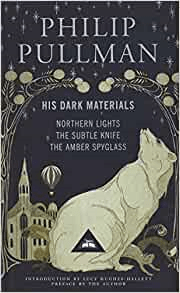
Inspiration from Fantasy Novelist Philip Pullman, President of the Society of Authors

During the Covid19 lockdown, the Society of Authors are presenting a number of webinars with notable authors, and the other day I attended “Afternoon Tea with Philip Pullman”.

I was keen to hear from the author of a fantasy trilogy that captivated me, “His Dark Materials“. 500 of us attended, all waiting with drinks and snacks to hear what the President of the Society of Authors might have to say to us from his Oxford study. When he came on, he showed us his working space; untidy, spilling over with miscellaneous items such as his jacket slung over an open box of labels, files and paper and books. I was greatly encouraged to see this; no compulsion to tidy up his workspace there!

He was asked what the Society of Authors means to him, and he said, “It simply means that I am part of a body of people who have experienced some of the disappointments and hopes and occasional successes that I have.

On his wall is a giant map of the world and it seems this is a major inspiration for him. He says he doesn’t plan his novels. As he starts his thoughts might be as vague as, “I think she should go north” or “It would be rather nice if she went to Central Asia.”

He loves maps, and for one of his earlier novels, “The Ruby and the Smoke” (another novel I love) he sourced ordnance survey maps of London in 1872.

I myself have a giant map of Warwickshire which I plan to put up on the wall near my working area. It helped me for my book “Paranormal Warwickshire” (due to be published by Amberley 15 November 2020) and I hope it will be useful for my next book too (more of that later).

Philip Pullman came over as a genial, laidback, engaging schoolmaster-like character – after all, he was an English teacher in an Oxford school for several years – and his approach was helpful and encouraging.

I enjoyed his reply to the question: “Do you have a particular age group in mind as a target audience when you begin to write?”

His answer was:

“No. I don’t. When you write a book you should do what you want to do; ignore everybody’s advice. It’s none of their business. When your book’s out, it becomes democratic. Then, everybody’s totally entitled to think exactly what they want to about the book.”

He told us that, before starting “His Dark Materials”, the concept of the daimons (which may be defined as ‘the external physical manifestation of a person’s inner self, that takes the form of an animal’) was in his mind for a while but he had no idea what to do with it.

Then one day he was wandering in the garden and near a rock when he thought, “Children’s daemons change, adult’s daemons don’t.”

“That was the most exciting moment I’ve ever experienced as a storyteller.”

It was (just like the idea about the boy wizard that came to J K Rowling on that train journey), the key to unlock his unconscious – and, for him, all the characters and actions and events of Lyra’s alternative world followed.

There is a powerful lesson for authors here: we must listen to that first instinctive prompt, hold onto it, and follow through, even if other voices try to break in and interrupt it. That’s one of the reasons why I don’t feel it’s wise to seek other people’s opinions on a work-in-progress. Finally, his most practical answer came in reply to the perennial question posed to authors:

“Where do your ideas come from?”

“I don’t know where they come from but I know they come to my desk, and if I’m not there they go away.”

Enchantment in the Natural World in this Time of Lockdown

As the days of the lockdown pass, I’m becoming more aware of a new and powerful sense of renewal in the natural world.

Not only have I noticed this on my daily walks but I am hearing it from other people too.

“It’s like going back 50 years. Everyone is so much more ‘together’ and more friendly.”

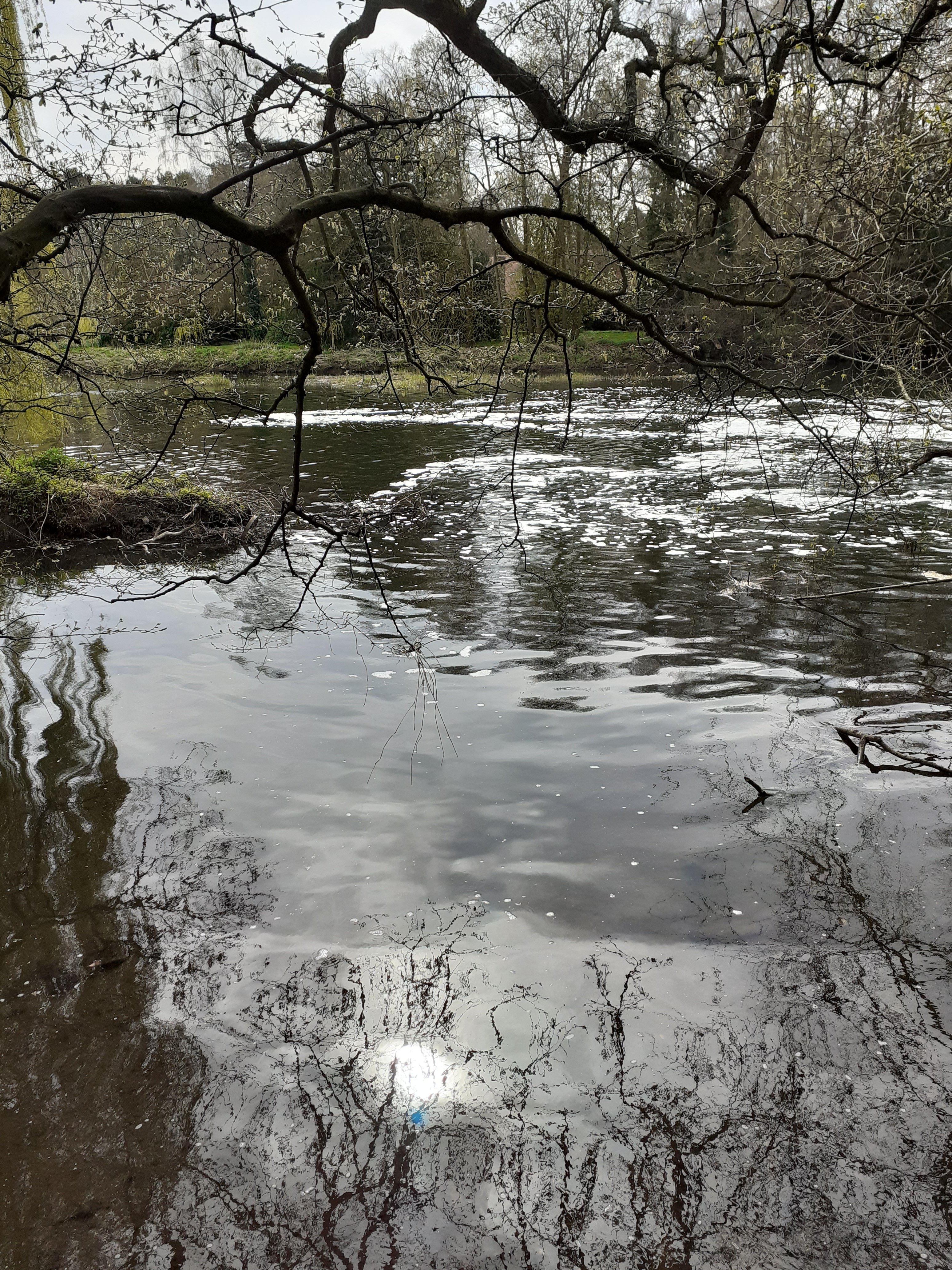
“The sky is much bluer, the water in the River Avon is much clearer. The birdsong is outstanding.”

“Air quality has improved. There are no longer any chem-trails from planes flying over.”

I myself on my walks feel that nature is much brighter and more intense and more abundant than I have ever known before.

The light keeps shining on delicate buds and new baby leaf sprays about to burst open. The green is rich, the white is intense. It is all very spiritual.

I find myself being constantly ‘surprised.’ As I returned home from one walk, everything became more golden and more green until it was almost overwhelming.

Nature has flourished because human activity has been subdued.

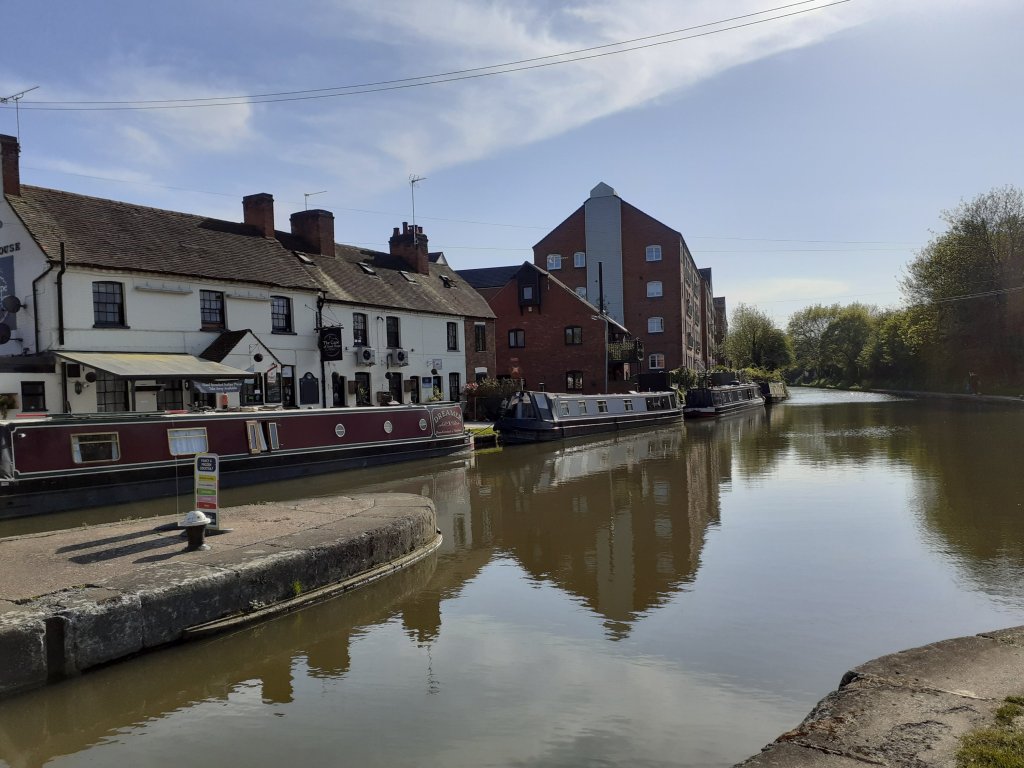
This isn’t just the open countryside, it’s the pockets of green and the pathways and small areas of parkland nestled in between and alongside houses and canal and roads.

This is how it appears to me because we are all slowing down, the streets are quiet, we are not all engaging in frenzied activity and chasing achievement and Doing and Aquiring Things as we normally do.

“May this heal us from the sickness that brings death to the body; may this heal us from the sickness that brings death to the soul.”

#covid19walks #socialdistancing – A Strange New Name for Local Walks in the Springtime

A strange new title for local walks in the springtime has emerged. Steering clear of other walkers, whilst wandering along in the balmy spring afternoon, seems dreamlike…

Green and Blue Walks in a Time of Waiting

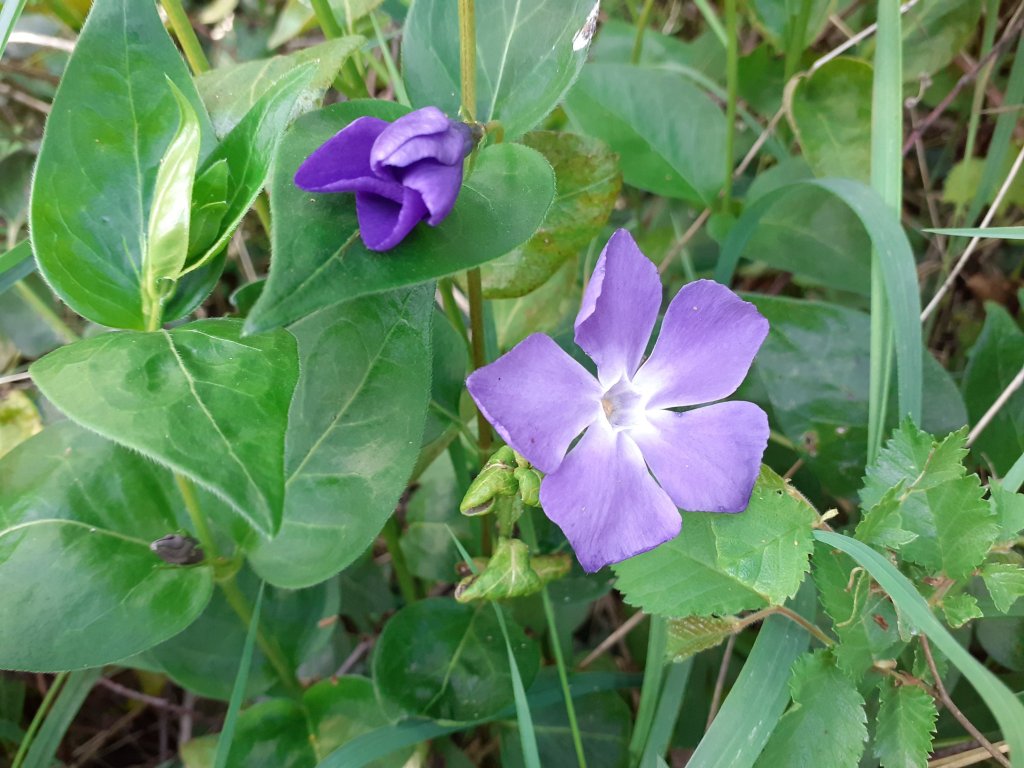
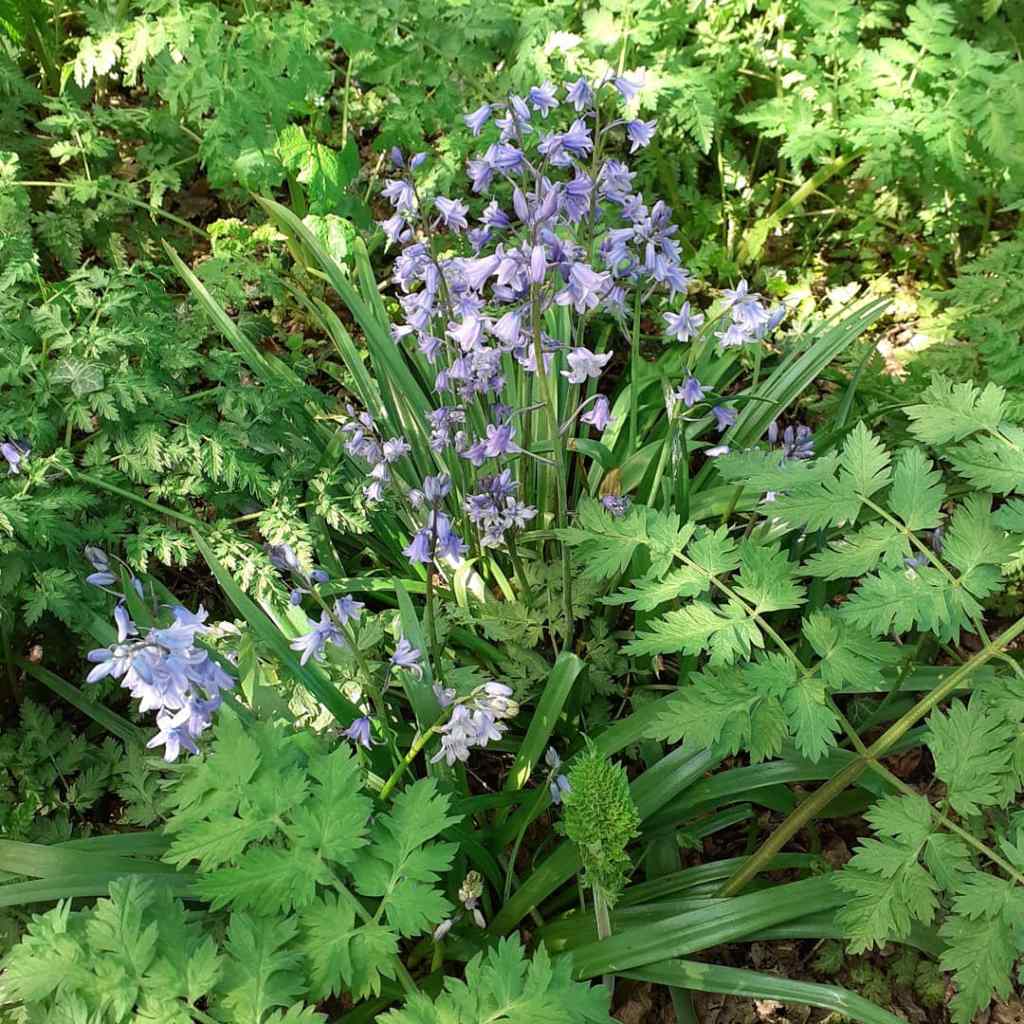
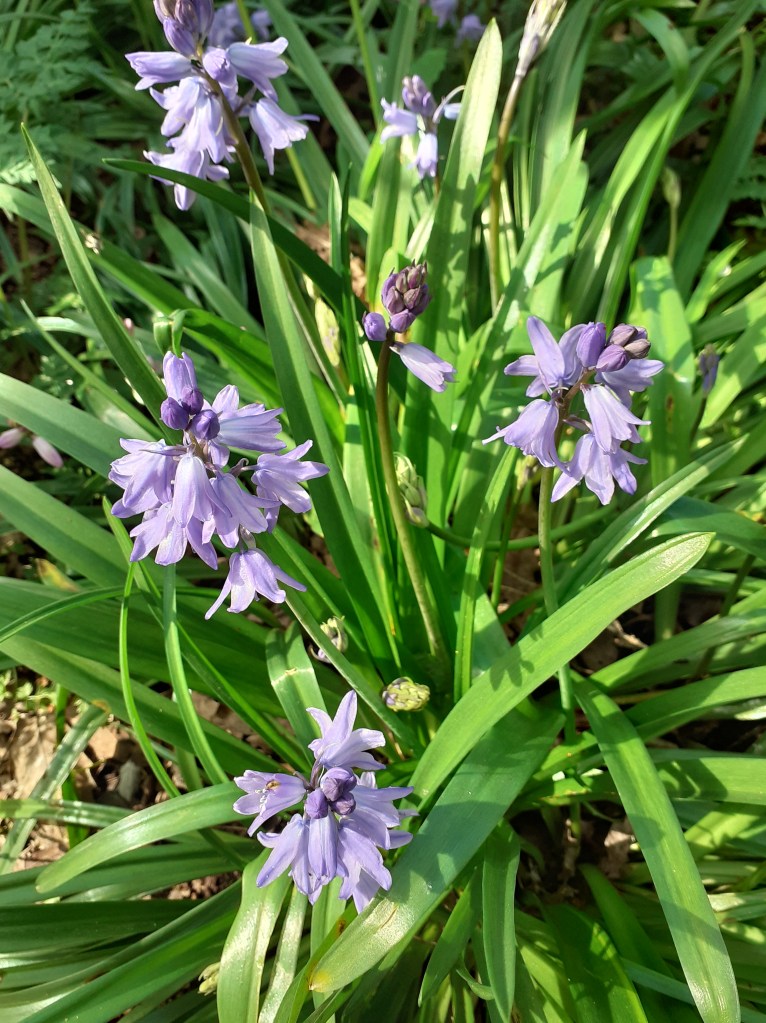
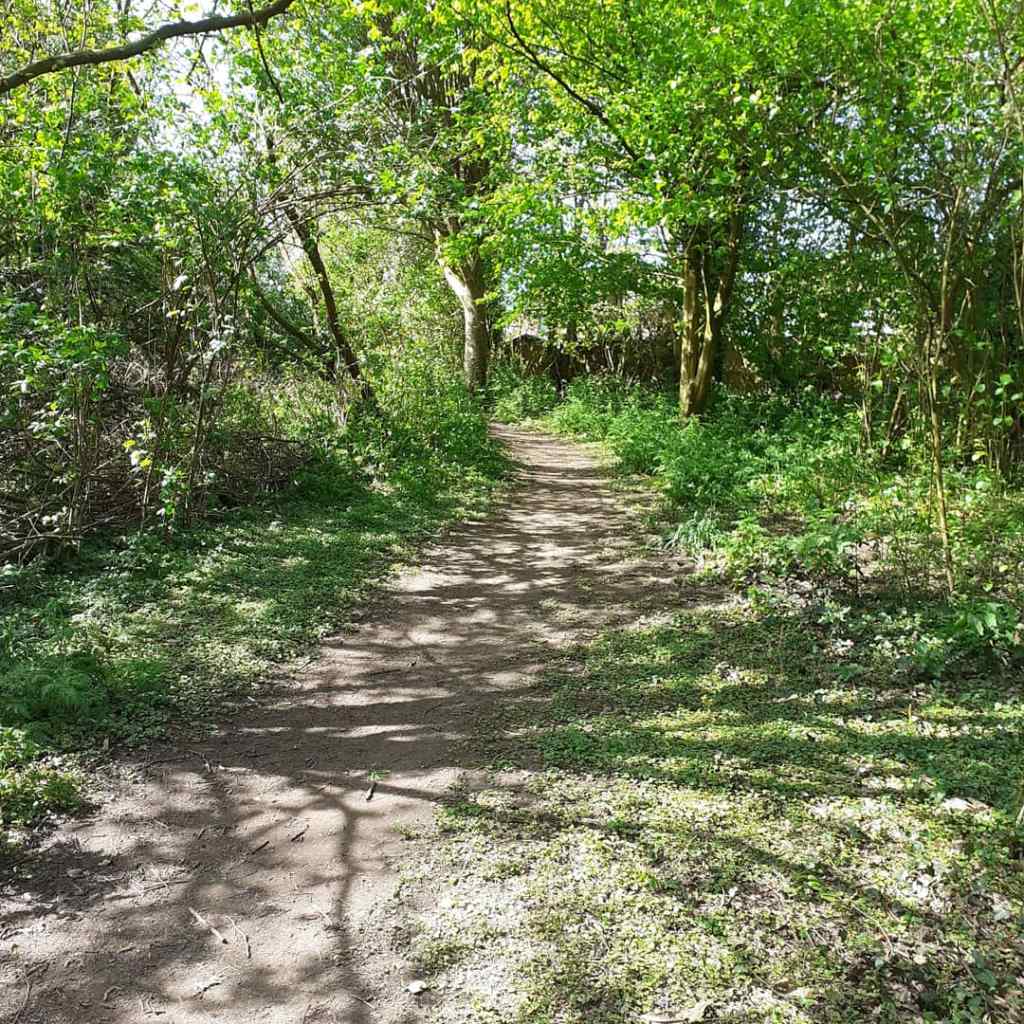
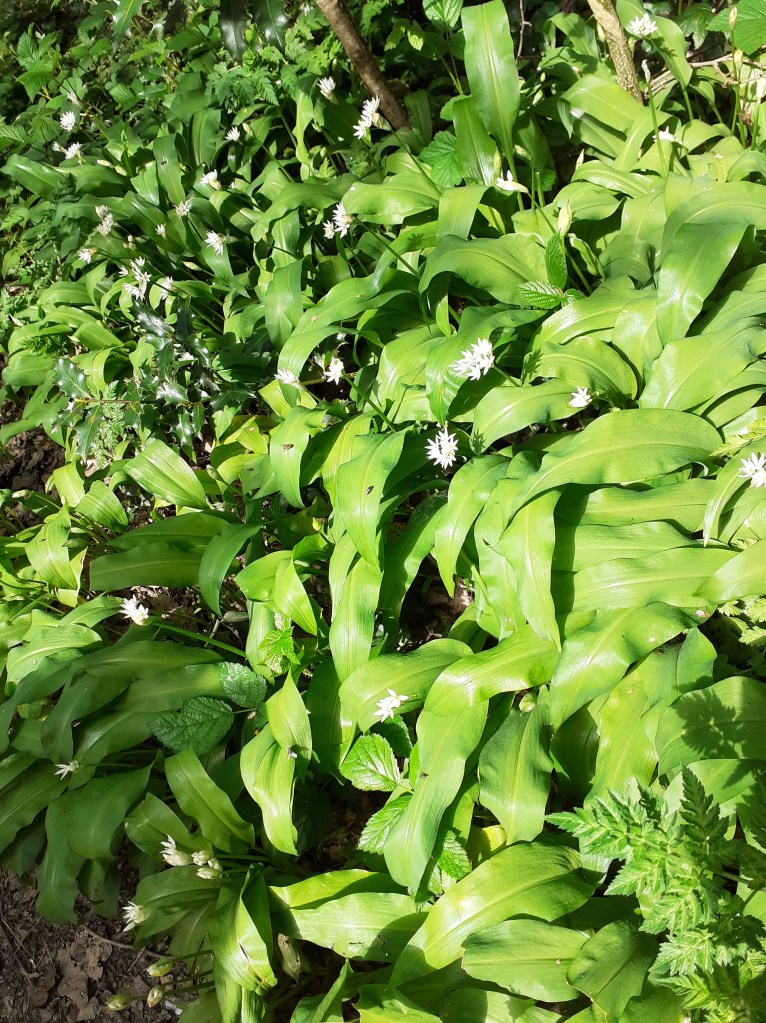
Just a few images from nature to lift our spirits at this time of anxiety and fear for many during the UK Lockdown. The streets and lanes are quiet and dreamlike with just a few people taking their one piece of exercise a day during this Covid 19 crisis. These photos were taken in the Spinney, not far from our home. The bluebells are appearing earlier than usual. May this be a sign of hope not too far ahead.

Paranormal Warwickshire Cover Reveal Coming Soon

I hope you are all well, and staying home, except for your one-daily-piece-of-exercise here in the middle of the COVID-19 crisis.

I must admit I’m finding plenty to do as a writer. ‘Paranormal Warwickshire’ has a new publication date: 15 Nov 2020. I’ve just returned the corrected proofs to my publisher, Amberley. Meanwhile I’m working on another novel and researching a new non-fiction book (more details in a few months’ time).

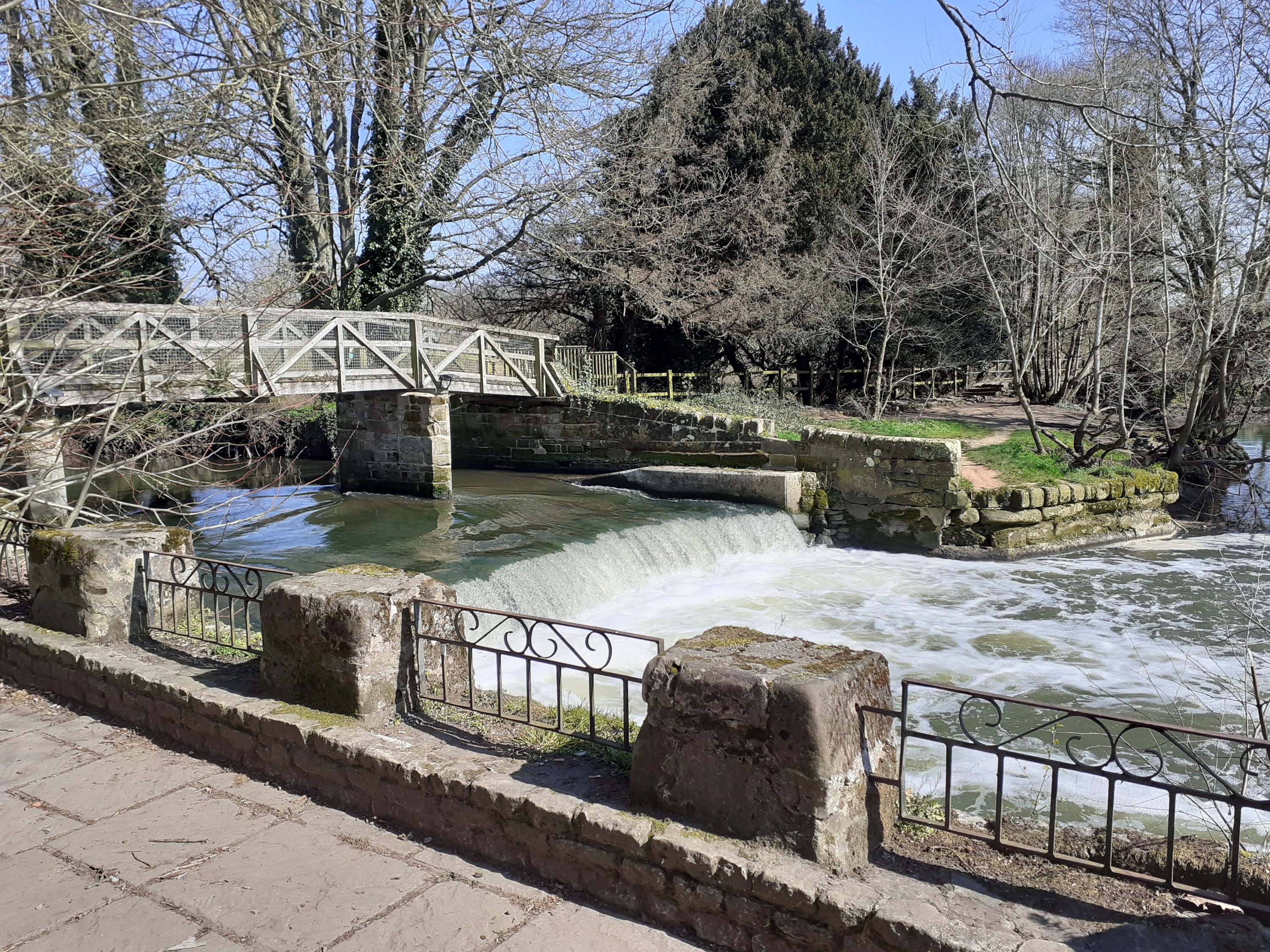
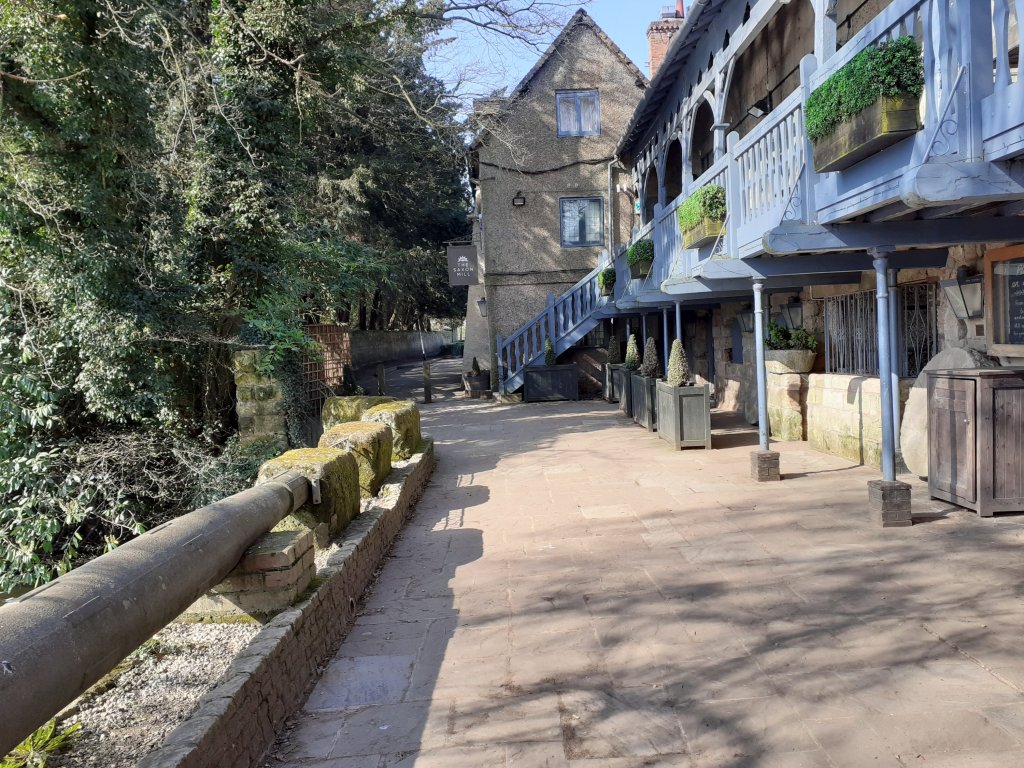
As for my daily exercise… what better location than one of those featured in my upcoming book ‘Paranormal Warwickshire’: The Saxon Mill, on the Guy’s Cliffe estate, Warwick; just 10 minutes walk from my home.

The Saxon Mill, on the River Avon, Warwick.

‘Paranormal Warwickshire’ can be pre-ordered here.