Felix Dennis, Eccentric Millionaire Poet – a Man with a Vision for the Future, and Founder of a Great Forest in the Heart of England

In an age of information where we are bombarded with news and facts and false facts and opinions, both genuine and prejudiced,  I find we tend to select our own blind spots, to filter out the onslaught. Felix DennisWhich is why, sometimes, although something and somebody can be publicised hugely in innumerable ways, it’s still possible for some of us to say, “I didn’t know that,” or “Never heard of him.”

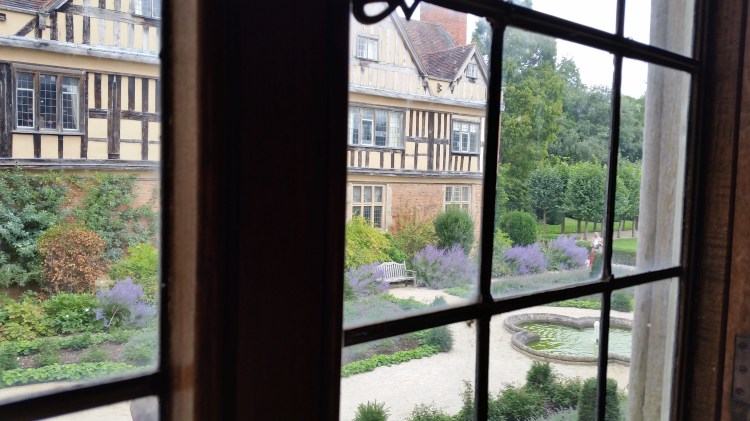
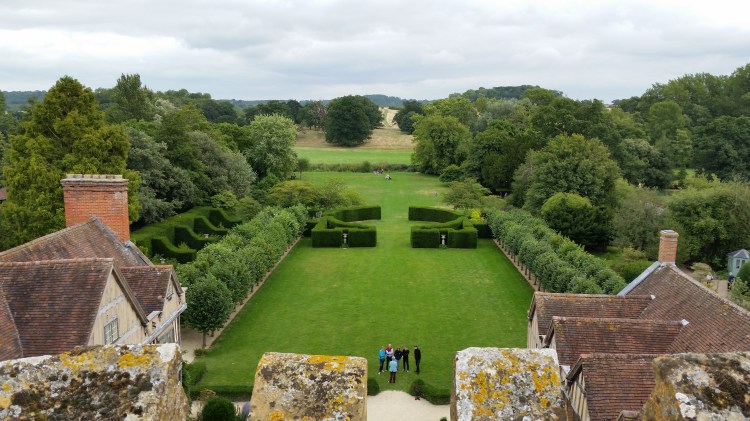
It was like that for me with Felix Dennis, whose Garden of Heroes and Villains and Poetry Shard Garden I recently visited in Dorsington, near Stratford-upon-Avon.

20180811_123954
Bronze sculpture in the Garden of Heroes and Villains: Ulysses (also known as Odysseus) tied himself to the mast so he would not be lured by the calls of the sirens

Perhaps it’s unsurprising my subsconscious had blocked Dennis out previously; I would not have been at all interested in his underground publishing activities or magazines called OZ in the late sixties and early seventies, or in the obscenity trial that he was involved in with two colleagues in 1971.

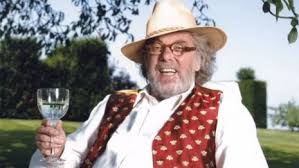
Over the years I’ve been aware of other big creative personalities who have indeed made an impact on me – author Adrian Plass, poet Adrian Henri, artist Graham Clarke and actor Brian Blessed among them – and now, rather late (four years after his death) I’ve discovered Felix Dennis. I bought a book about his 2010 nationwide poetry tour, Did I Mention the Free Wine? by Jason Kersten; and looking at pictures of him, I can see his physical appearance in later years reminds me of all of those four. And not least he reminds me of Sir John Falstaff in Shakespeare’s Henry IV Part 1 & 2. A man with a gift and an instinct and an appetite for making money, he amassed millions and when he died in 2014 he ultimately bequeathed them to the creation of a forest.

What an amazing and wonderful legacy, a legacy for the future of humankind. And I also discovered his poetry, beginning with those poems that were engraved on shards of glass in his poetry garden.

20180811_115509
Bronze sculpture of Bruce Lee in the Garden of Heroes and Villains

One of them,written not long before his death, particularly struck me:

I’ve plucked all the cherries Chance would allow, Take them, and welcome – I’m done with them now.

His bluntness and honesty, expressed in poetry, immediately appealed to me, as it has to so many who enjoy the gallows humour in his rhyming couplets. But the poems contain much more than gallows humour: sharp observations on life expressed in unpretentious, witty poetry that lends itself beautifully to live performance. Being a fan of live performance poetry, I can only wish that I’d found out about Felix years ago, and actually attended his poetry performance in the Bridgehouse Theatre, Warwick in 2010.

Tribute to Felix Dennis on the Founder's Rock, Arboretum, Dorsington
Founder’s Rock in new woodland, Heart of England Forest

I am enjoying the book Did I Mention the Free Wine? – it is the most fascinating account of how to organise a book promotion tour on a grand scale, among many other things – and watch out for my review of it on Amazon and Goodreads! Meanwhile I shall be deepening my new-found interest in his forest, his garden and his poetry. Somehow, discovering him after his death has a poetic irony which he himself would probably have enjoyed greatly…


Reflections on Life and the Writer’s Journey from a Mamma Mia Perspective

Yes I do indeed find some lessons from Mamma Mia on the dynamics of life – and the writing journey.

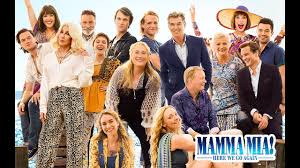
Mamma Mia Here We Go Again

Having recently seen the film Mamma Mia: Here We Go Again, twice, and loved it even more the second time I saw it,  I felt compelled to draw out some dynamic equivalents for all of us.

Mamma Mia, the first movie, has been accused of being sentimental, idealistic,  sugary, unrealistic; and yet the second movie with its fast moving sequences of prequel and sequel I believe is very like life as we all can experience it… minus the extremely skilful singing and dancing sequences of course!

Of course all that I write from now on will only be fully understood by those who have seen and loved both movies. And if you haven’t seen the second film yet and don’t like spoilers… then don’t read on!

Certainly I identified with young Donna to an extent; I myself travelled to Greece on an extremely eventful holiday with my friend during my first university vacation; and it was full of romantic interludes and risk-taking and narrow escapes. My first move after graduating from university was to go to the Greek island of Rhodes. And during that holiday I, like Donna, with Sam, enjoyed an island tour on the back of a motorbike, with a young Greek Adonis whom I had only met for the first time the hour before…

Here are the highlights in the second movie from which I drew my reflections:

1.  When young Donna and young Sam took a boat across to the small island, Donna spoke about knowing what she wanted to do for the rest of her life. She said she wanted to stay on the island forever. Sam said it wasn’t that simple… and as we watched, we were fully aware of how their lives would pan out for the next twenty five years, as a consequence of their actions and decisions and words during the small amount of time they spent together.

2.  The relationship between Sophie and Sam twenty five years later, both grieving for Donna, but supporting and loving each other: so sad and yet so beautiful, and everything that Donna could have hoped for, notwithstanding that she could never have known her life would be cut short so early.

3.  The use of parallelism as the scenes switched back and forward over twenty five years; the rooms in the farmhouse; the two pregnancies; the two babies.

4. Amanda Seyfried, who played Sophie: older, sadder and wiser than the sparkly, impulsive, madcap young girl we see in the first film – and yet still so beautiful inside and out.

5.  The role that Donna’s friends Tanya and Rosie play throughout both films; first, supporting and encouraging Donna, and then transferring that same support to Sophie.

6. Seeing the older men and their young selves dancing together at the end.

7. Cher in the role of formerly recalcitrant grandmother – now returned, reformed – to meet again the man she last saw in 1959.

Perhaps stretching credulity for some of us … and yet still may there be a message for us there?

Life can be very strange indeed. It was Adrian Plass who said, You don’t know what is going on behind the scenes.

Life may have brought us many disappointments; it may be difficult to keep faith, and easy to give up hope in achieving all that we have dreamed of: and I don’t deny that. I am very well aware of it myself, in my life, in the wrong choices I’ve made, and especially in my writing journey;  and yet we can never discount life’s quirkiness, its unexpectedness, the twists and loops and connections that may utterly surprise us.

It does seem to be an essential part of the dynamics of life that what we hope for and dream of may be taken out of our hands, and yet at some future stage we may receive an unexpected gift, that would never have been possible without our hasty actions or impulsive decisions in the past; sometimes we may do something outrageous or foolish; all this may play its part in some unfathomable outcome years ahead.

And the men dancing with their younger selves? You may see that as just a fun scene with the actors stepping outside their roles in the story timeline, and enjoying themselves. So it was. But also what a lovely metaphor for us:  dancing with our younger selves, even if we feel they made mistake and wrong choices, even if we regret things those younger selves said and did… perhaps the message is to dance with our younger selves, a joyous acceptance of all that we are and have been… and accept the passing of time, together with all the unexpected gifts that brings, trust in the process of life, and keep faith.

Inspiration from JRR Tolkien in Oxford

My recent visit to Oxford to see the exhibition of Tolkien: Maker of Middle-earth was a revelation to me and full of inspiration.Tolkien-maker of middle-earth

You may find the exhibition in the  ST Lee Gallery, Weston Library, next to Blackwell’s Bookshop on Broad Street. It’s packed with fascinating objects and letters, and drawings: Tolkien’s own exquisite illustrations for The Hobbit and  The Lord of the Rings, plenty of original letters giving intriguing biographical information about him, authentic items and furnishings from his own home, a magnificent  projection of a 3D model of the map of Middle-earth and many other  delights for all those who love Tolkien and the fantasy world which flowered from his creative genius.

I love The Hobbit, The Lord of the Rings, and The Silmarillion: I first came to The Lord of the Rings when I was at university in Lancaster; and for many of us then it was a cult book; the world of Middle-earth so absorbed us that Tolkien’s characters, and situations from Frodo and Sam’s epic journey, would appear in our conversations without any need for explanation or context. Over the years I have been moved and enchanted by the  powerful illustrations of places in Middle-earth such as Rivendell, but until I came to this exhibition in Oxford I confess I had no idea that Tolkien was himself such a gifted artist and had actually himself drawn and hand-coloured much of the artwork with which I have been captivated.

These are just a few of the many gems I discovered from the exhibition:

Tolkien spent twelve years writing The Lord of the Rings, in order to provide his publisher George Allen & Unwin with “something more about hobbits” as a sequel to The Hobbit – his publishers were hoping for a lucrative series like Swallows and Amazons

He squeezed that writing into his evenings, after full days spent on academic work in his role as English professor at the University, family life, and socialising, etc.

The words In a hole in the ground there lived a hobbit…. came to him while he was doing some marking of student papers, and he scrawled those words in an empty space on a paper he was marking. He did nothing with that idea for several years, it just lay in his mind, waiting its time (just like the ring itself lay waiting…)

His first concept of Treebeard was as an evil character but eventually he transformed the Ent into a good character

The village near Birmingham where he lived as a young child inspired him for Hobbiton.

He kept having wonderful ideas for additions to The Lord of the Rings, such as an exquisitely-rendered facsimile of a seriously war-damaged and bloodstained ancient manuscript, and a fascinating epilogue, a letter from Aragorn to Sam Gangee years after the events of The Lord of the Rings, but his publishers would decide against incorporating them for various reasons including because they thought it cost too much…

After the Tolkien exhibition we spent a considerable amount of time in Blackwell’s, losing ourselves among the special Harry Potter displays and Tolkien and CS Lewis sections not to mention among the pages of the Paddington Bear London pop-up book…

Then we enjoyed a fascinating tour of the Oxford Colleges, as you’ll see from some of the photos here.

Oxford is the city of dreaming spires and has a rich and complex history,  a tapestry of darkness and light, which perhaps suggests just a few reasons why it is also, for creative people, a city of lightbulb moments…

Insights From the Silence

Have you ever seen the episode of the TV comedy drama series Rev when our main character, Rev. Adam Smallbone, goes on retreat? Adam, played by Tom Hollander, is in the austere setting of a convent, and returns to his room when suddenly Roland, the media vicar, played by Hugh Bonneville, appears at the window, crying “Retreat!”

Hugh Bonneville and Tom Hollander in Rev

In he comes and it transpires he’s brought  plenty of alcoholic supplies with him to offset the effect of the austerity to which they have both committed themselves for the next several days. Then Adam opens the drawers in his bedside cabinet and reveals his stash of chocolate bars and bottles of whisky.

“Dear boy,” says Roland with a look of extreme seriousness on his face, “I think we’re going to get through this.”

I’ve just been on silent retreat for a week at Lee Abbey in Devon.

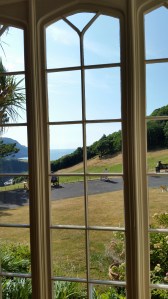
View from Octagon at Lee Abbey, Devon

It isn’t a convent, nor is it austere, and there’s absolutely no need for chocolate bars and bottles of wine in the bedroom, as we were well-fed… in fact, I find retreat centres tend to over-feed you rather than the opposite, and within the Christian community that runs the retreat centre, there is a team of house elves who wait on you hand and foot until you almost feel guilty… and thus begin the insights you may draw from silence.

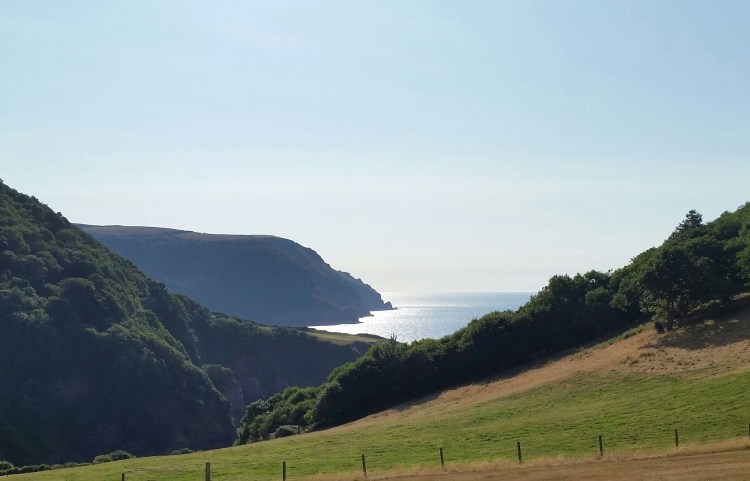
And ever present outside this retreat centre is the sublime scenery of Lee Bay. Throughout the week, it called me, a background to all that was said, a huge presence out there. There were all the things Michael was saying as he weaved his spell and beguiled us, and all the insights and metaphors his stories gave us about the dynamics of life, and beyond it all was the vast embracing presence of the scenery, the rocky headlands, the tree-covered cliffs, the sea.

Our silence lasted 48 hours, and I loved it.

Insight is the child of silence wrote the Russian poet Yevgeny Yevtushenko.

Lee Bay, Devon
Lee Bay, Devon

For me, a silent retreat gets better and better. You’re completely released from small talk; from having to answer other people’s questions; from people at the table passing comment on your vegetarian meal and asking what it is; from people commenting on why you’re eating a banana or a pear or a yogurt instead of the rich lemon syllabub and caramel sauce and chocolate flakes they are all eating.

You are free: to smile at people and not say anything; from any anxiety that you ought to say something; from feeling out of it because other people are chatting in little huddles and you’re the only one not talking; from feeling compelled to make conversation just to fill the silence or to be polite or in case people think you’re unfriendly.

Everyone is released from the curse of unguarded tongues and small talk and nonsense. Blessed silence releases us from all that. Silence is such a gift. How I love it.

The only person allowed to speak during that silence was our retreat leader, Michael Mitton. And he gave us treasures, in what he later described as “a Jackanory week”, retelling stories from the bible in the most beguiling way. The stories were taken from his book Seasoned by Seasons.

His retellings of those stories engage every sense: funny, illuminating, revelatory and totally absorbing. Moving and absolutely relatable, these stories are intimate, warm, human.

It’s as if you are an invisible observer on the scene of a story. Or maybe you are inside the thoughts of a character. You can smell, feel, hear, touch and taste what it is like to be there. There is humour, poignancy and passion in these stories and often they are deeply moving. Sometimes you may find yourself thinking, “What! Is this in the bible?” or “I can’t believe I’ve never heard of this character. But this story is so powerful, and relevant to me, and my life.”

I feel, too, that I now have a much richer sense of Jesus himself, his humour, his warmth, his compassion, his wisdom, his humanity, his understanding, his disregard for convention and rules, his sharpness, his wit, his mental flexibility, his clear vision, his sheer versatility.

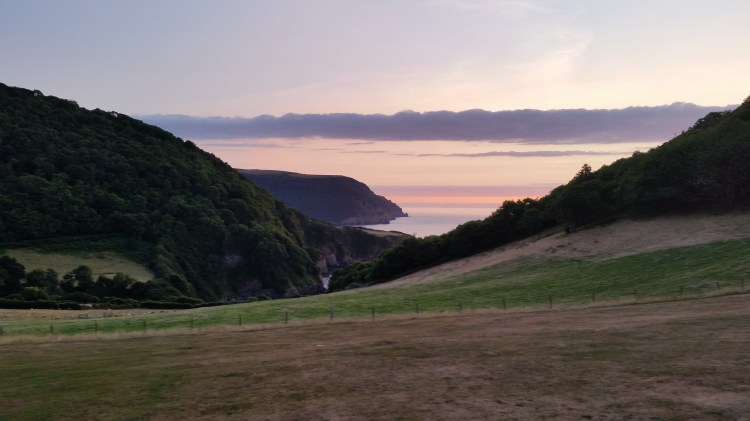
During the silence, there were for me no telephone calls, no internet, no Facebook, no texts, no messages, no emails. Only the power of Michael’s storytelling, the insights that  poured from those stories, and from the silence, and above and beyond it all, the grandeur and majesty of God’s creation, silent, unfolding before me in lines of faint blue and pink across the horizon above the luminous sea.

Sunset over Lee Bay, Devon

The Power of a Picture: the Burton Dasset Hills Country Park, Warwickshire

It’s said that an image is much more powerful than words; which is rather a shame for authors who write books that don’t have any pictures!view from beacon on Burton Dasset Hills.jpg And so an author’s alternative is to paint a picture with words. Because, as author Isamu Noguchi says, We are a landscape of all we have seen.

In my new non-fiction book Spirit of Warwickshire I have chosen several places in Shakespeare’s county which I believe have spiritual presence; and each chapter is accompanied by a full colour photo of the highest quality, showing some of the spirit of each place. Many of the places are associated with Shakespeare, and each chapter is headed with a quote from the Bard of Stratford-upon-Avon, which I feel corresponds either in spirit or in specifics to what I feel about the place I describe.

And what a fascinating exercise it is to search for and find a Shakespeare quote to correspond with a piece you have written, inspired by your own independent thoughts and feelings:

Here’s one:

 Modest doubt is called the beacon of the wise.

And so might I meditate on the meaning of that at my first sight of the Burton Dasset beacon, which appears on the hill as you drive along the B4100 from Warwick to Banbury.Beacon on Burton Dasset Hills

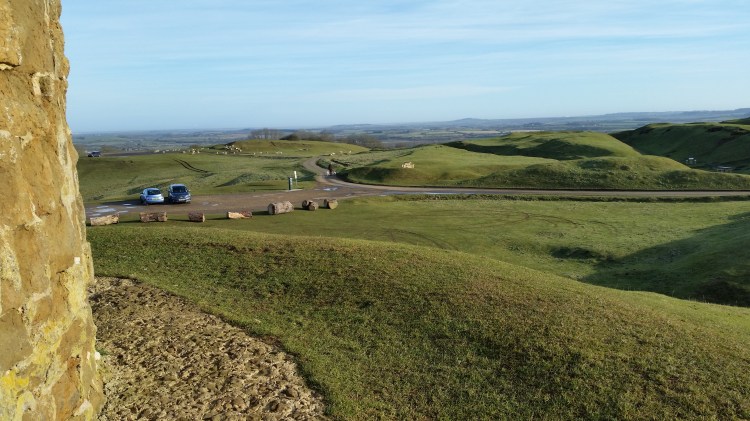
A new visitor driving towards the Burton Dasset Hills Country Park from either Warwick or Banbury might have little idea of the view which will greet them from around the next bend in the road. panoramic view Burton Dasset Hills.jpgWithout warning, an extensive radiant visa rises into view, seen beyond the green hills of this former quarry, now a place which many sheep call home and to which a large number of visitors are attracted each year wiith their dogs and families, to walk, to picnic, and to admire the views from the highest point, crowned by a beacon.

Just such a beacon appeared to William Shakespeare as he wondered how he would encapsulate a beacon to the wise.

The Nature of Creative Inspiration

Often I find that when a piece of creative work is begun, it’s impossible to say  from which source the best inspiration will come – and how far back in the past that inspiration had its source.

David Helfgott performing in Sydney

My new novel Director’s Cut, a YA Crossover, is about a musically gifted boy who finds himself trapped with a young actress and a troubled priest in a house haunted by a family curse.

The story, which centres upon my latest main protagonist 17 year old Dylan Raftery, is complete and now being considered by a publisher.

The story opens with Dylan in conflict with his controlling older sister in their south London home, frustrated and longing to break free. His musical genius is too big to fit into a conventional slot, and nobody understands that. He has dropped out of sixth form and has no plans ever to return. He learns that Suzanna, the young TV actress he adores, is filming in a nearly 17th century mansion and rushes off to meet her, only to find a deeply troubled family, a house full of tragic ghosts and an attendant curse. He must break the curse through the power of his own musical genius or that genius will be quenched forever.

I’ve now started writing the sequel to Director’s Cut, in which Dylan,  continuing to defy his conventional family, wishes to train under a great pianist, who is mentally fragile and who has a shady and dangerous past bleeding into the present.

There are several people who I have either met or know about who might inspire me for some aspect of that great pianist. I won’t be able to tell how strong a part any of them might play until the story decides for itself, and reaches completion.

But I remember being particuarly struck by the Film Shine in which Geoffrey Rush plays the Australian pianist David Helfgott: a film I saw in 1996 and have never forgotten.

And as it happens David Helfgott is giving a piano recital in London in October 2018, so this may be my chance to hear him perform live…


Inspiration from Brittany

By the time you read this I’ll be in the tiny fishing village of Port Manec’h in the south of Finistère, near France’s equivalent of Lands’ End, Pointe du Raz.Port Manec'h, Brittany

We are here at the invitation of my French friend Dominique who with her husband Philippe owns a lovely holiday cottage in Port Manec’h.

What a wonderful opportunity this is! – not only to try and resurrect my rusty French, but also to enjoy the glorious coastal and riverside scenery and the other treasures of Brittany with its turbulent history.

I’m hoping, too, that this time spent in the region of Névez will be a great inspiration to me as a writer. The novelist Jean-Luc Banalec sets his Inspector Dupin murder mystery novels in Névez, and says, I am constantly inspired  when I’m here…. I write my books here and they are a declaration of love to Brittany.

And it certainly seems Brittany itself is a major character in his scenarios:

Steeped in the enchanting atmosphere of Brittany and peppered with wry humor, Murder on Brittany Shores: A Mystery is a superbly plotted mystery that marks the return of Jean-Luc Bannalec’s international bestselling series starring the cantankerous, coffee-swigging Commissaire Dupin.

Ten miles off the coast of Brittany lie the fabled Glénan Islands. Boasting sparkling white sands and crystal-clear waters, they seem perfectly idyllic, until one day in May, three bodies wash up on shore. At first glance the deaths appear accidental, but as the identities of the victims come to light, Commissaire Dupin is pulled back into action for a case of what seems to be cold-blooded murder.

Ever viewed as an outsider in a region full of myths and traditions, Dupin finds himself drawn deep into the history of the land. To get to the bottom of the case, he must tangle with treasure hunters, militant marine biologists, and dangerous divers. The investigation leads him further into the perilous, beautiful world of Glénan, as he discovers that there’s more to the picturesque islands than meets the eye.

I hope that when I walk on those white sands in the Glénan archipelago, I’ll be as inspired as Jean-Luc Bannalec, perhaps, for the setting of one of my future novels!

Guest Post: Greatest Movies of All Time? by Abigail Robinson

Today I’m delighted to be bringing you a guest post by my daughter Abigail who is a Media graduate and film buff.

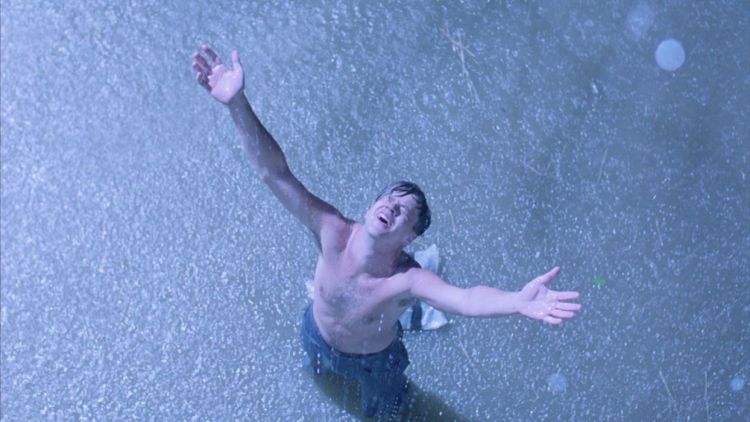
Tim Robbins in The Shawshank Redemption

Here’s Abigail’s article on The Greatest Movies of All Time.

Greatest Movie Of All Time?  (Top Four Films Pre-2000)

How many times have you heard the term ‘greatest movie of all time’ or ‘a must-watch for all film students/buffs’? During an open day at the University of Aberystwyth several years ago I heard one such claim in regard to Citizen Kane. The wonders of the film personally fell flat on me, though I can see why some people love it. The movie was breathtaking to look at and I couldn’t stop examining the lighting and camera composition, but the story baffled me no matter how many times I watched it.

While all opinions are subjective, here are just 4 films released before 2000 that I have seen commonly mentioned in this way, that I believe are absolutely worthy of their praise.

The Shawshank Redemption (1994)

Despite its simplicity, the power conveyed by this film cannot be ignored. This is a deeply moving story of resilience, loyalty and redemption and for this reason is one of my favourite films of all time.

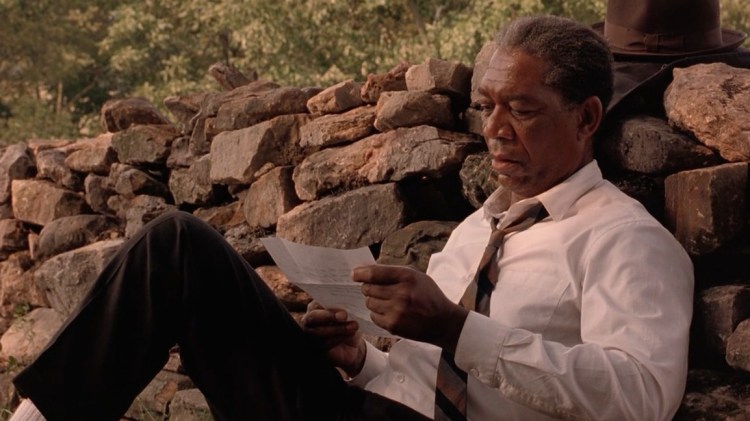
Morgan Freeman in The Shawshank Redemption

It pulls no punches in presenting us with the horrific reality of life inside prison, complete with its truly corrupt power base. We see the full range of the human character, showing no person is black and white, and surprisingly the people locked up show more signs of decency than those detaining them.

Powerful performances from Morgan Freeman and Tim Robbins carry the film from its opening to closing points, both understated, directing attention towards the colourful supporting characters, all the while cunningly distracting us from the activities that build to the brilliant and witty twist at the end. The ending may seem saccharine to some but it forms a feel-good conclusion to what could at times be a dispiriting story. For its ability to pull the heartstrings alone, I believe it is worthy of all its praise.

Psycho (1960)

This is the father of the slasher genre, and I believe, the best. This film continues to affect me as I’m sure it did people at the time of release. It’s a true innovator in the world of filmmaking. The iconic shower scene has become such a standard that it borders on cliché, but there is a reason this scene struck a chord in the first place.

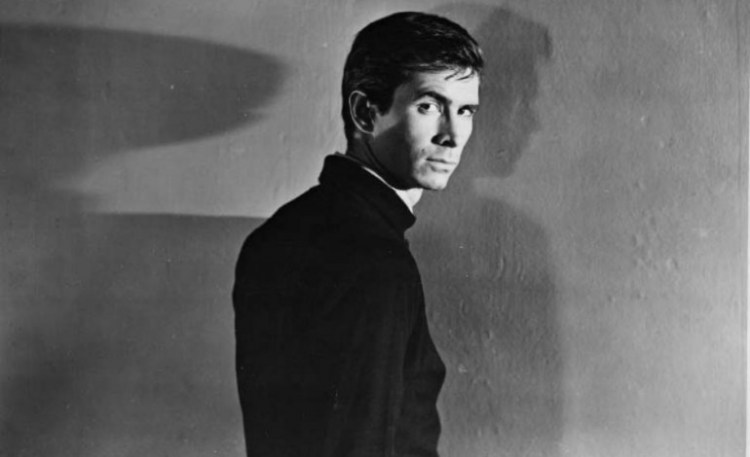
Anthony Perkins as Norman in Psycho

Psycho draws the audience in through a series of ‘MacGuffins’ (narrative red herrings), encouraging us to empathise with the protagonist, Marion, and become invested in her plight over the stolen money and her wish to marry her divorced boyfriend, only to have her brutally murdered 30 minutes in. The tone changes dramatically as we suspect the seemingly innocent Norman of sinister acts. The film relies not on gore but on suspense and the genuine acting ability of the cast. Techniques may have changed, but Psycho continues to horrify and compel years later, which is why it deserves its place among the greats.

American Beauty (1999)

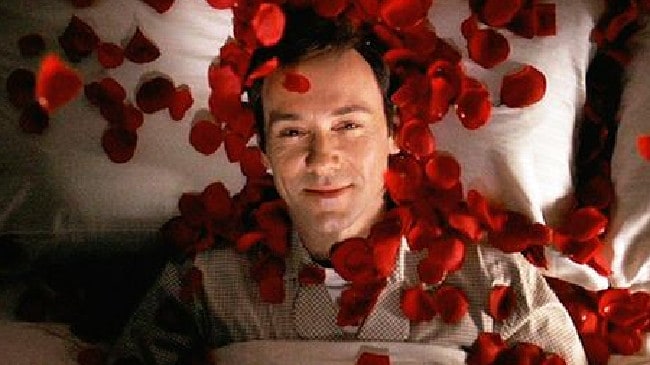
A satirical, and deeply cynical look at American society. Using brilliant acerbic wit this film reflects the worst of what domestic life could be. But what starts out as a hilarious cast of stereotypical characters, turns into a nuanced and emotional look at the human condition, the message being ‘nothing is ever what it seems’.

Kevin Spacey in American Beauty

The use of mise-en-scene (visual language conveyed through anything on screen) is beautiful, the red of the front door, the white of the picket fence and the deep blue of the sky embedding the concept of the American Dream into almost every image.

The end of the movie moves me deeply every time and is on a par with the end of the Shawshank Redemption, although with a more bittersweet edge. Stirring soundtracks from Thomas Newman, which contain notably similar strands of music, aptly hold both films together. There are few films that so tightly interweave haunting reflections on life and black comedy as American Beauty does and I admire it for that.


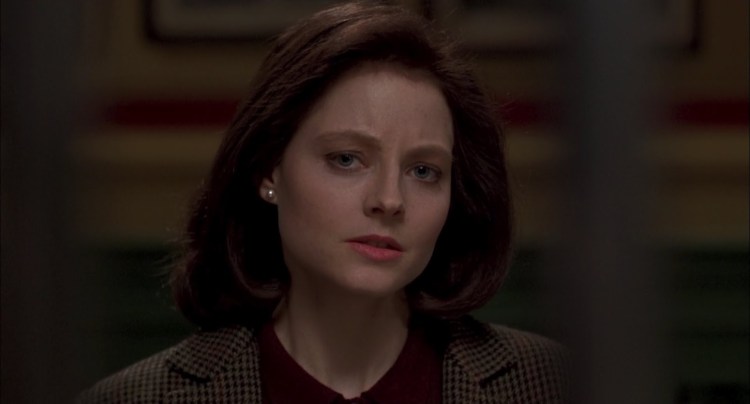
The Silence of the Lambs (1991)

The Silence of the Lambs is incredibly chilling, especially in its portrayal of Hannibal with an iconic performance from Anthony Hopkins. We feel as trapped and vulnerable as trainee FBI agent, Clarice Starling, following her mission to unearth information on the cereal killer Buffalo Bill with the help of cannibalistic psychiatrist, Hannibal Lecter.

Jodie Foster in The Silence of the Lambs

The performances are definitely the driving force, but the dialogue is brilliant and the suspense created by the subdued lighting and camera placement is intense. A giant of the crime/thriller genre.


My mission to watch as many classic films as I can is far from complete. There are many movies I would love to include in this list, from The Godfather to Fight Club, to much of Stanley Kubrick’s work. While it is very difficult to pinpoint the best film of all time, there are countless gems waiting to be discovered if only after a search.


What are some of your favourite films of all time?

Joyful Atmosphere at the Leamington Spa Peace Festival June 2018

Each year in June the Peace Festival is held in the Royal Pump Room Gardens in Leamington Spa. Leamington Spa Peace Festival viewA colourful and eclectic mix of stallholders, different religious and activist and local community groups, musicians, street food vendors, and sellers of vibrant gypsy, bohemian and ethnic clothes, hats, bag and jewellery all converge on the gardens.
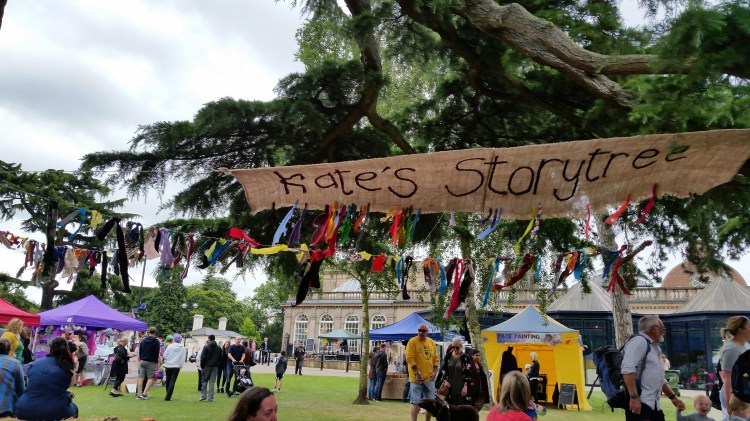
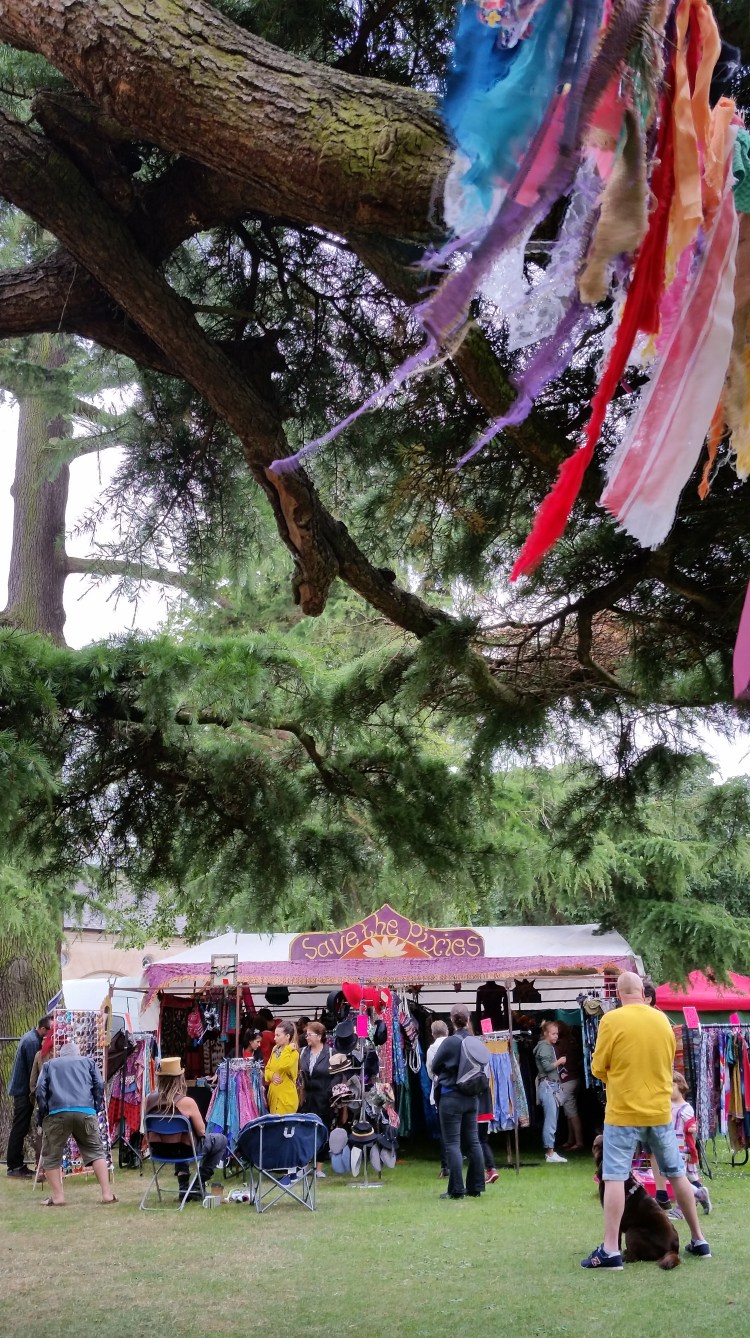
Kate's Story Tree at Leamington Spa Peace Festival

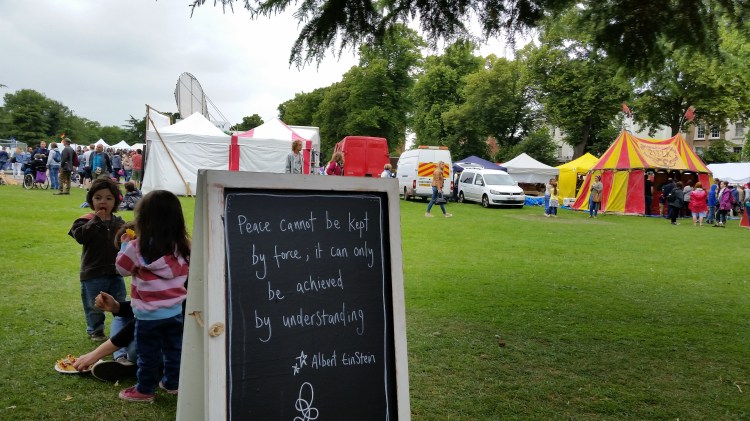
The result is a vibrant, joyful festival lasting two days, spreading goodwill and the message of peaceful co-existence, mutual understanding and acceptance of our fellow human beings in all our diversity.

Einstein quote at Leamington Spa Peace Festival

The local community choir Songlines conducted by our enthusiastic maestro Bruce Knight sang a cross-cultural set of songs which included fantastic gospel songs Egalile, I’m on My Way to Canaan Land, and Done Made My Vow to the Lord, along with community choir arrangements of I’m Still Standing by Elton John, Like a Hurricane by Neil Young, and the uplifting and moving song Hey Brother by Avicii.

The Leamington Spa Peace Festival is run, amazingly, by volunteers, and they do a brilliant job of organising this event. Long may the Peace Festival return to Leamington Spa each year.

Save the Pixies at Leamington Spa Peace Festival


Taste the Spirit of Warwickshire – A Shakespeare-Inspired Spiritual Travel Guide

My proposed new non-fiction book, Spirit of Warwickshire, is currently in the early stages of its journey into the world.

St Peter's Church Wootton Wawen: The Saxon Sanctuary photo credit Abigail Robinson
St Peter’s Church Wootton Wawen: The Saxon Sanctuary photo credit Abigail Robinson

Richly illustated with full colour photos by photographer Abigail Robinson, the book contains twenty short pieces about places  in Warwickshire that I love, visit often, and believe to have spiritual presence.

I define a place of spiritual presence in these terms:  “it affords us an opportunity to reflect upon the lives of those long dead, the interweaving of fate and destiny, and explore dynamic equivalents within our own lives.” As this suggests, many of the places I describe have strong historical character.

Enchanted Kenilworth Castle photo credit Abigail Robinson

Because I love Shakespeare, and Warwickshire is Shakespeare’s county, I have headed each chapter with an appropriate quotation from the Bard that I feel corresponds either in spirit or in specifics to what I have independently written about each place.

Here’s a taste of what you may find in the book, visually: a sneak peek at some of the beautiful and high quality illustrations to be included.

Milverton Hill, Warwick, in June - photo credit Abigail Robinson
Milverton Hill, Warwick, in June – photo credit Abigail Robinson