Book Trailer Fun for Mystical Circles

I’ve been out and about in Warwick and the Cotswold hills with my film-maker daughter Abigail, having great fun as Abigail puts together a book trailer for my romantic suspense  novel Mystical Circles.

Mystical Circles cover image

As I’ve watched our actors follow Abigail’s directions and play my characters, my story has come alive in a new way. I’ve been reminded of the reason why I wrote the novel in the first place; the events in my own life  that provided  inspiration.
We’ve been filming in a setting that could be Craig’s sixteenth century farmhouse in that Cotswolds valley – HQ of the New Age spiritual group Wheel of Love.  So much so, that when you see it, you’ll believe you are there.

As I watch our actress, I feel what it’s like to be 22-year-old Zoe, who’s not long out of university, and believes she’s found paradise. What more could she want in this life than a vocation, a loving partner, a spiritual philosophy,  and on top of that, a beautiful place to live in?

Zoe determines to stay there for ever; and sends an excited email to her sensible older sister Juliet. No sooner has freelance journalist Juliet received the email than she drops everything, jumps into her car in London, and drives up to Gloucestershire to investigate, thus setting the whole story in motion.

This is the perfect time of year to be shooting the book trailer. The story takes place in the month of June.

Cotswolds landscape 6 June 2013 (photo credit: Abigail Robinson)

We’ve just filmed Craig and Zoe together, and we still need to film Juliet and Zoe arguing with each other.

The actors are having fun with this, and so are we!

And I’m delighted with the positive response from so many people involved in our project, some have made locations available to us, others have volunteered their acting skills, and one has even provided a high resolution video camera. It is their good will which is making this book trailer possible.

Here are a couple of shots  to whet your appetite for the book trailer.

I hope it will appears on my You Tube channel in the next couple of weeks.

actors playing Zoe & Craig  (photo credit: Abigail Robinson)
actors playing Zoe & Craig (photo credit: Abigail Robinson)

Watch out for  the link to it on this blog!

In Search of Authenticity: Our True Selves and Our Essential Need for Community

How can we be true to ourselves?

And how can we live in ways  that are true to what  we believe?

And how can we mix up our inner and outer worlds, so we are not compartmentalised like a waffle, but rather, more like a bowl of spaghetti?

These were just three of the questions posed to us at a weekend conference I’ve just attended, as one of 80 from my church, St Mark’s in Leamington Spa, at the Hayes Conference  Centre in Swanwick, Derbyshire.

our group from St Mark's in the main conference hall at Hayes Conference Centre Swanwick 29 June 2013 (photo credit: PaulMileham www.st-marks.net)
our group from St Mark’s in the main conference hall at Hayes Conference Centre Swanwick 29 June 2013 (photo credit: Paul Mileham http://www.st-marks.net)

And in between enjoying the beautiful gardens in the sunshine, drinking in the bar, wandering by the lakes, going kayaking, cycling or walking, we listened to an excellent speaker, Annie Naish from the Lee Abbey Community.

The theme was Authenticity.

Annie invited us to consider how as members of a Christian community we can be “real” with each other,  our authentic selves, sharing our sorrows and troubles, recognizing we are all wounded people, and that we all need each other.

To illustrate our need for community, she played a video clip from the BBC TV documentary narrated by David Tennant, showing the solitary Emperor Penguin in the icy wilderness of Antarctica, who became separated from his community, but struggled on alone until he reached them again – and the life-saving comfort of their body warmth.

Annie Naish (photo credit Paul Mileham www.st-mark.net)
Annie Naish (photo credit Paul Mileham http://www.st-mark.net)

And just so, said Annie, should we live this out, through our relationships with each other in our community: by showing sincere and practical love; looking for the good in people; putting others first; being willing to be vulnerable; listening; and showing humility and practising forgiveness.

Anybody who ever seeks to understand this life and our place in it, will have to engage with this search for our true authentic selves.

This is the work of a lifetime, and it runs through many religions and faiths, through psychology and philosophy, through psychotherapy, psychoanalysis and counselling.

Annie herself lives as part of the Lee Abbey Community, and every member has to work through their relationship with each other within the community. Churches, said Annie, should be full of wounded people, places where people can weep, and share the tough times they’re going through. The authentic Christian life is  “systematically unsafe”. It’s a risky business, and sometimes it’s like a bungee jump over white water rapids. And she showed us a breathtaking video clip to demonstrate this.

Annie suggested we should be intentional. An authentic Christian faith is a long obedience in the same direction.

And if we are to be authentic in relationships, we have to bring what is hidden into the light. It’s costly, because  we’re vulnerable.

The young people having fun at Swanwick (photo credit: Jamie Robinson)

Annie gave us practical guidance. We have to listen and reflect before leaping to self-defence. This applies in many situations in life.

Annie called for us to think of everything we do as a task done through relationship.

And the goal for each of us, as Elrond said to Aragorn in “The Lord of the Rings” , is to “Become all that you were born to be.”

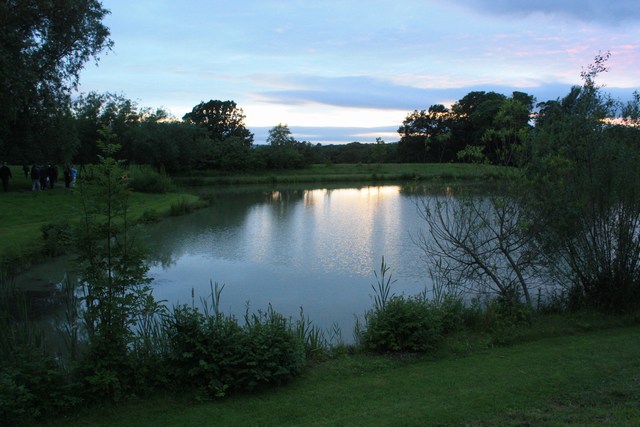
the lake at Hayes Conference Centre 29 June 2013 (photo credit: Paul Mileham www.st-marks.net)
the lake at Hayes Conference Centre 29 June 2013 (photo credit: Paul Mileham http://www.st-marks.net)

The Royal Albert Hall, London – A Place of Wonder and Inspiration

The Royal Albert Hall is one of my favourite London venues.

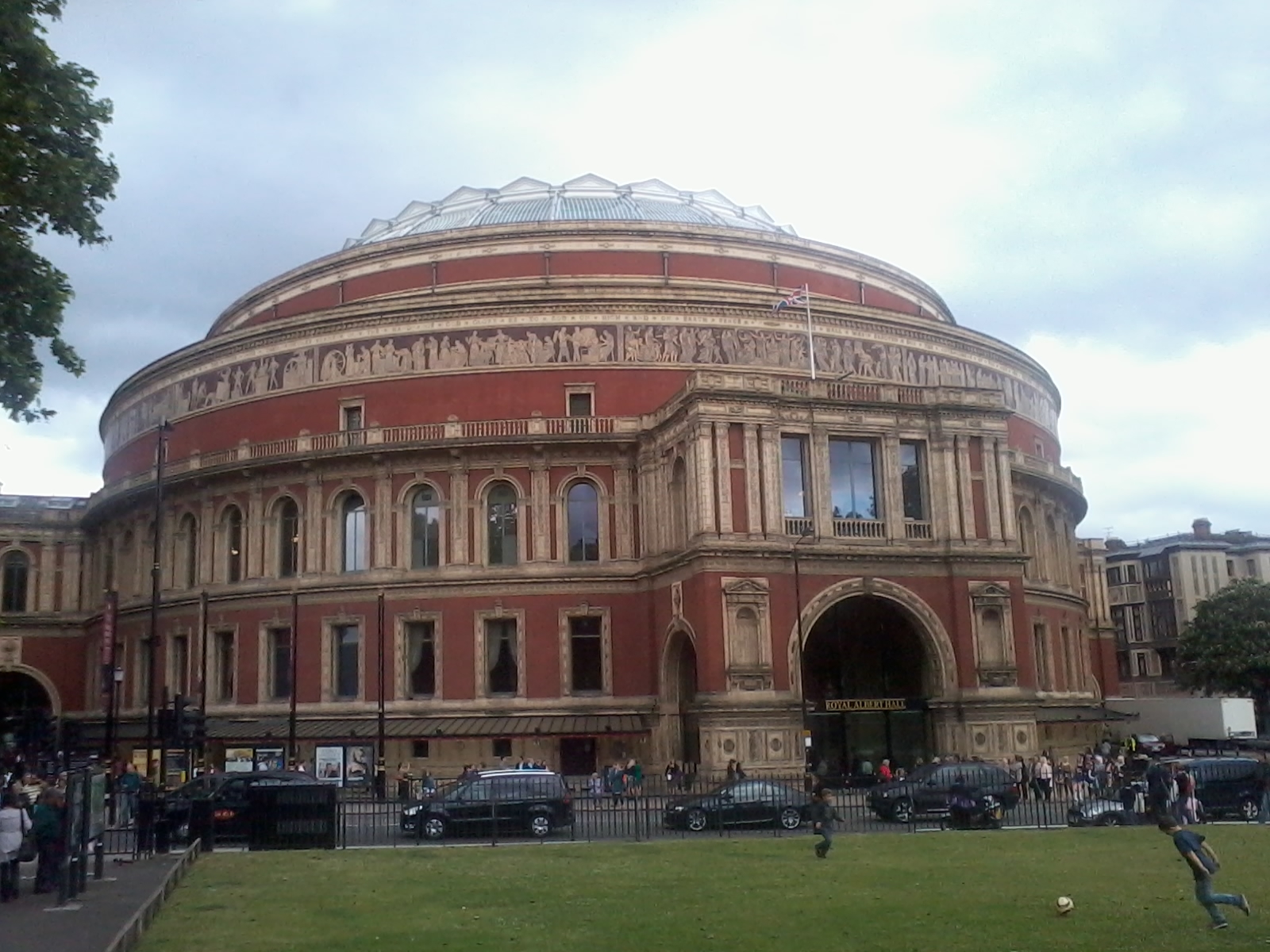
Royal Albert Hall, London (photo credit: Abigail Robinson)

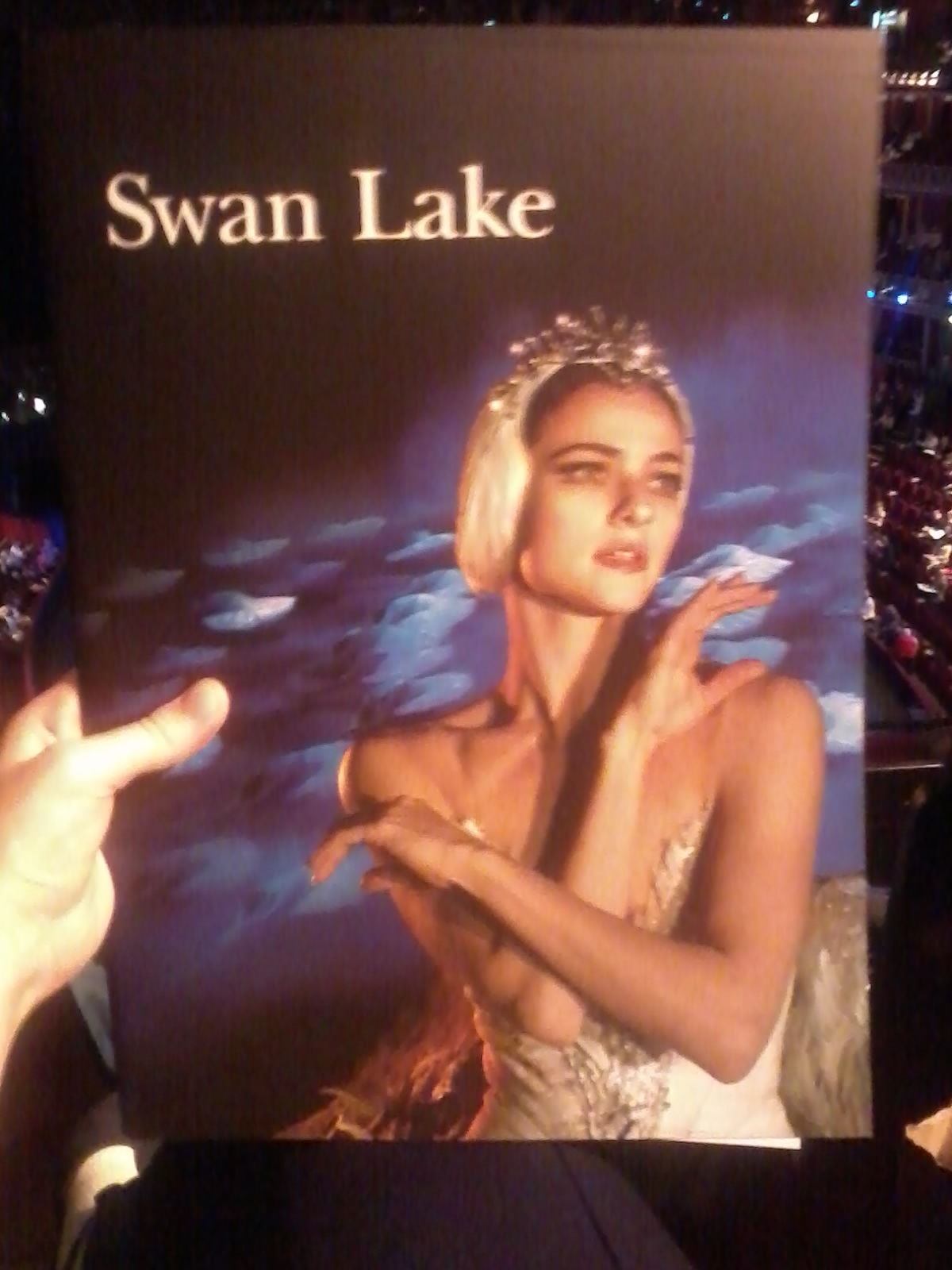
I was there on Saturday, with my daughter Abigail, watching a performance of Swan Lake in the round, by the English National Ballet. Sixty swans danced in the arena below us, transformed into a lake by skilful lighting effects; and the audience delighted in the performances of Dmitri Gruzdyev as Prince Siegfried and Fernanda Oliveira as Odette and Odile.

The earliest memory I have of the Royal Albert Hall is when, as a child, I sang in the Chorus of Younger Angels  in a performance of Mahler’s 8th Symphony.

I stood close to the organ; and I’ve never forgotten that tremendous experience as trumpets, drums and organ, under Leonard Bernstein’s  flambuoyant direction, brought Mahler’s ‘Symphony of a Thousand’ to its thunderous conclusion.

Programme for Swan Lake performance 23 June 2013

During my sixth form days in Orpington, Kent, I often took the train to London with my schoolfriends so we could sit on the pavement outside the Royal Albert Hall in a queue for promenaders tickets for the BBC Proms;  and then, once inside the door, sprint to the arena, to find the best place at the front, near the conductor’s rostrum.

One summer, I spent several hours walking up and down the queue with spare tickets to sell, having bought Gallery tickets for a half season.

Later, when I lived in Bayswater, London W2, the Royal Albert Hall was just a stroll across Kensington Gardens, to go to the rehearsals and concerts of another choir I sang in – the London Choral Society.

Whenever I now enter the Royal Albert Hall, I feel a deep sense of affection and euphoria.

This  great circular space is to me, and to many even without such memories, both grand  and intimate.

It’s also wonderfully flexible,with its central arena, for many great occasions.

The Hall was originally supposed to have been called The Central Hall of Arts and Sciences, but the name was changed by Queen Victoria to Royal Albert Hall of Arts and Sciences when laying the foundation stone, as a dedication to her deceased husband and consort Prince Albert. It forms the practical part of a national memorial to the Prince Consort – the decorative part is the Albert Memorial directly to the north in Kensington Gardens, now separated from the Hall by the road Kensington Gore.

Thank you to Queen Victoria for deciding to commemorate Albert  in this, among many other ways!

Sheil in the Royal Albert Hall auditorium (photo credit: Abigail Robinson)
Sheila in the Royal Albert Hall auditorium (photo credit: Abigail Robinson)

Gazing Out to Sea: The Beauty of the English Coastline

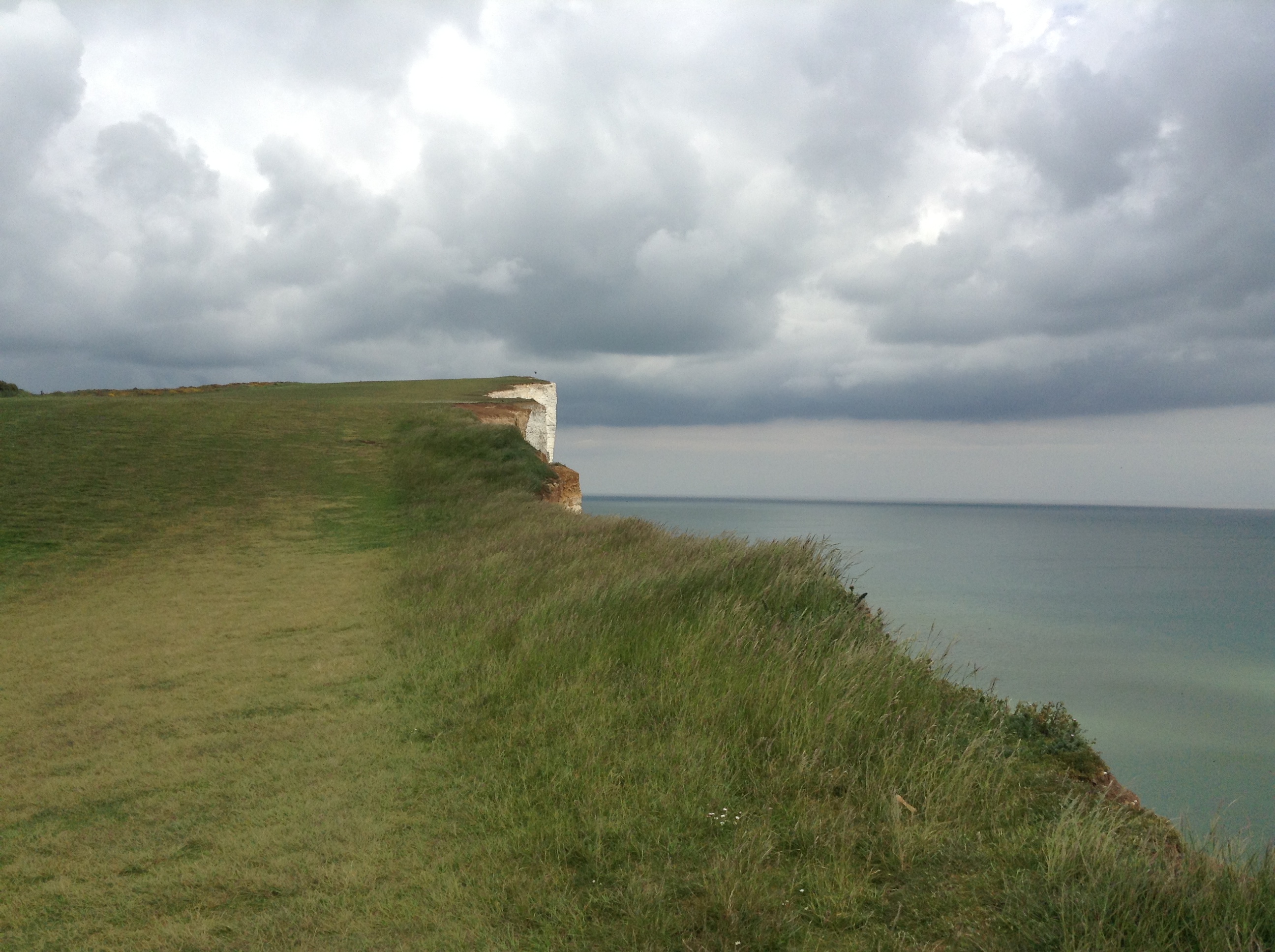
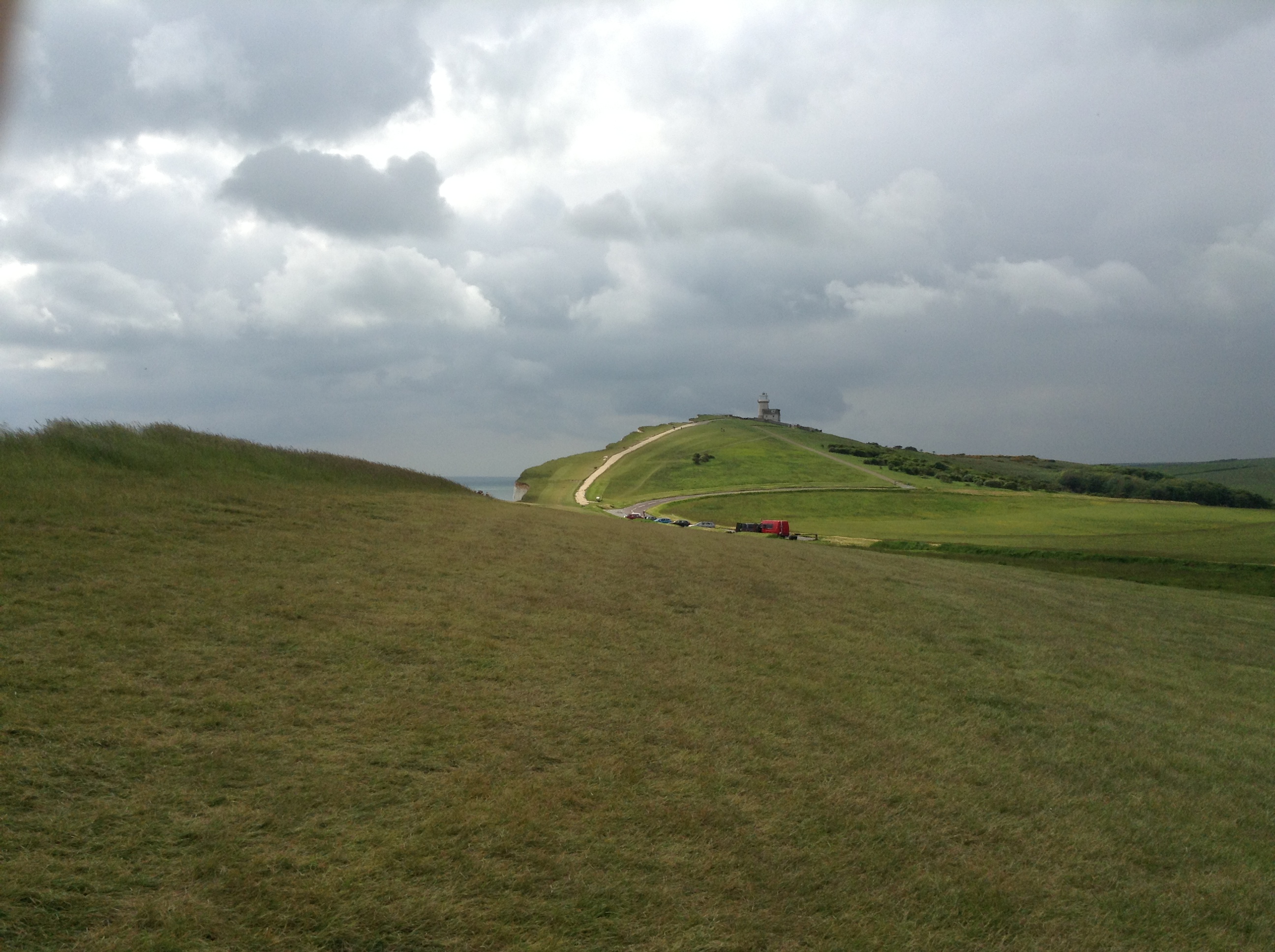
I recently visited Beachy Head, East Sussex, with a friend and  my two teenage children.

Shining cliff (photo  credit: Abigail Robinson)
Shining cliff (photo credit: Abigail Robinson)

As we walked along the cliftop, we all agreed: Where in the world could we go that’s more beautiful than this?

Beachy Head, together with the Seven Sisters Country Park and Birling Gap are all protected by The National Trust and they are  a short drive  out of Eastbourne on the south coast.

on Birling Gap Beach (photo credit: Abigail Robinson)


Bright path (photo credit: Abigail Robinson)

I was born and brought up in Kent, and it was only thirty five minutes drive from where we lived to the south coast. Camber Sands was a particular favourite, and we regularly visited and ran over the open dunes, usually going on afterwards to the lovely old fishing town Rye, with its evocative fifteenth century Mermaid Inn.

On every trip, I felt the excitement of that first view of the sea.

And now, I say to my own children, just as my father said to us: “who’ll be the first to catch a glimpse of the sea?”

Everything depends upon our own inner state, as we contemplate such landscapes, which can then become sacred spaces.

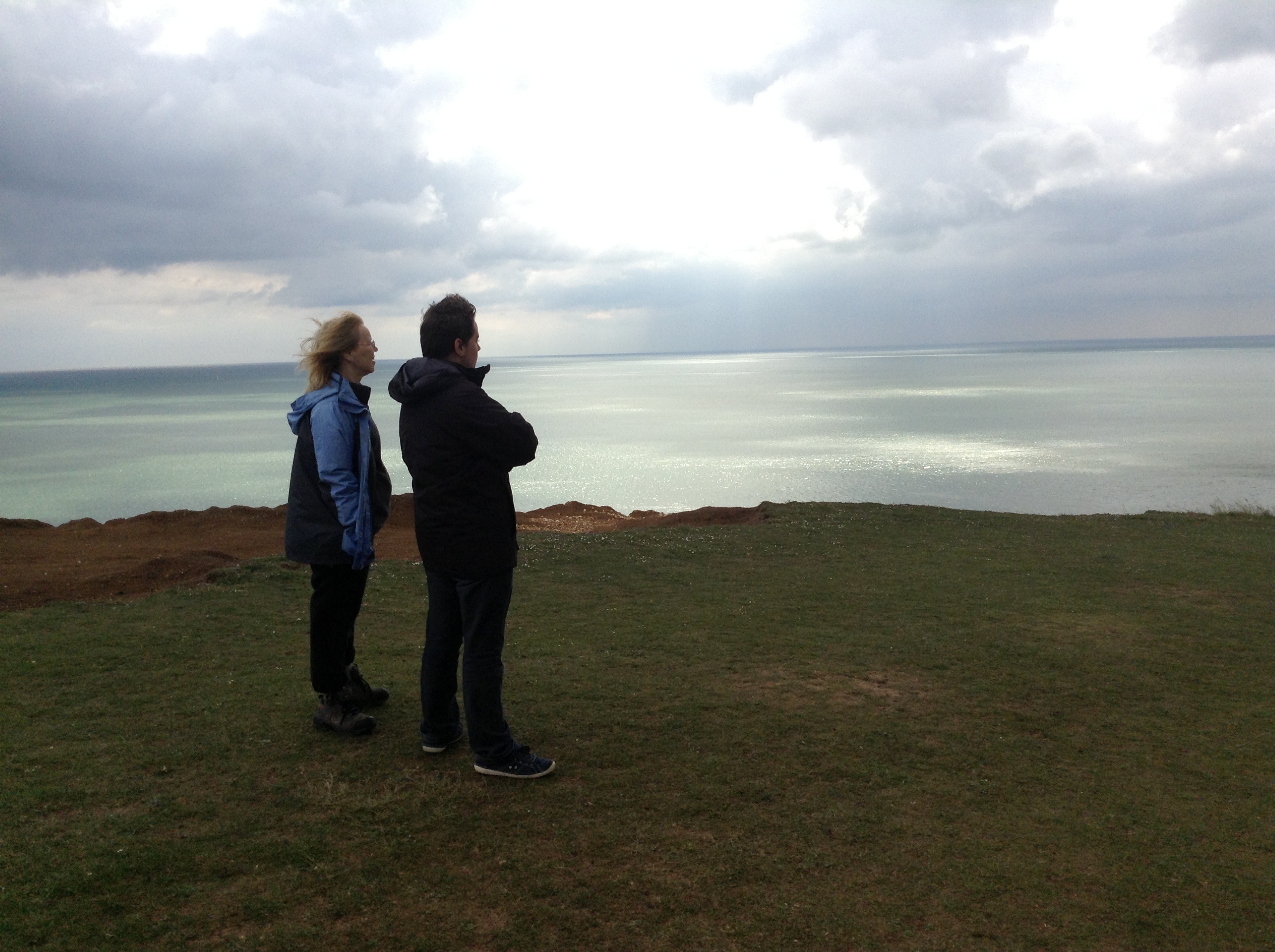
gazing out to sea (photo credit: Abigail Robinson)

For me, standing on a cliff gazing out to sea is a thing of beauty, a joy for ever. 

Sheila & Abigail on Birling  Gap Beach (photo credit; Jamie Robinson)
Sheila & Abigail on Birling Gap Beach (photo credit; Jamie Robinson)

A Golden Field, a Short Life That Touched Many Hearts, and a Poignant Moment in a Country Churchyard

Milverton Hill  Fri 7 June 2013 (photo credit: Abigail Robinson)
Milverton Hill Fri 7 June 2013 (photo credit: Abigail Robinson)

This photo was taken on Milverton Hill, Leamington Spa  between St James’s Church Old Milverton and the Saxon Mill, Warwick.

At about 4.30pm on Friday 7 June I walked with my two teenage  children through the churchyard to  reach this field.

A late summer afternoon in the English countryside is such a quiet, luminous, poignant time.

And it’s one of the loveliest times to be on Milverton Hill. You breathe in a green woody scent, a fragrance of light and sunshine. 

Old Milverton Church 7 June 2013 (photo credit: Abigail Robinson)

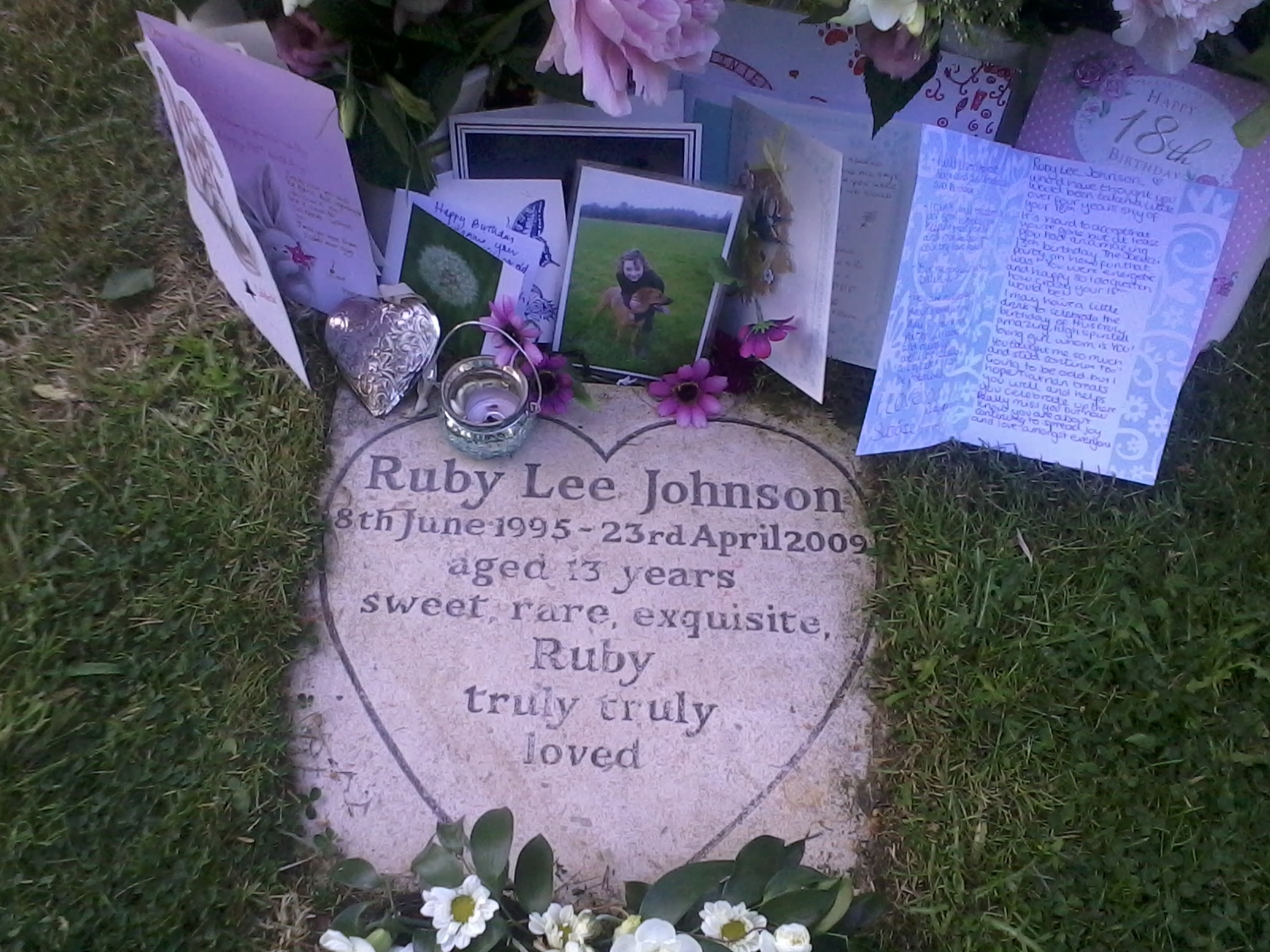
As we walked through the churchyard to reach the field, we found a plaque in the grass:

Ruby Lee Johnson 

8th June 1995-23rd April 2009

aged 13 years

sweet, rare, exquisite

Ruby’s mother Sarah was tending the flowers, and Ruby’s father Richard was mowing the grass.

Ruby was in my daughter Abigail’s year at school, and Abigail knew Ruby and her story,  as many others in our area do, whose hearts were touched by Ruby’s three year struggle with cancer, and her death in 2009.

Sarah, cheerful and pleasant, said to Abigail, “You’re the age Ruby would have been. Tomorrow is her 18th birthday.”

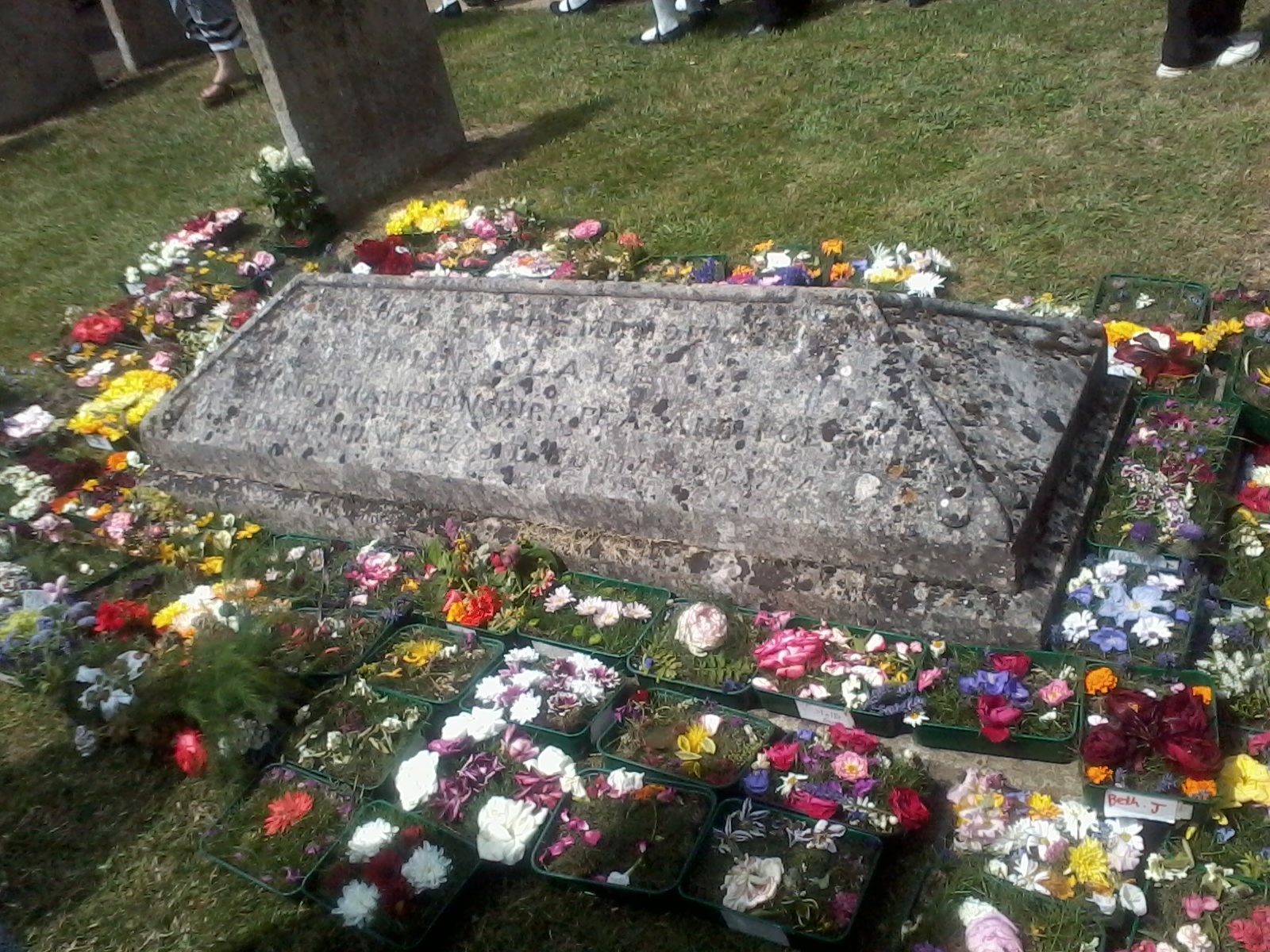
Ruby Johnson 18th birthday memorial (photo credit: Abigail Robinson)

Ruby’s dog Gracie was with them too. Propped against the flower containers by the plaque is a photo which shows this family pet with Ruby 5 years ago.

rapeseed & shepherd's-purse flowers(photo credit: Abigail Robinson)
rapeseed & shepherd’s-purse flowers(photo credit: Abigail Robinson)

As we walked out through the gate onto Milverton Hill, beyond the church, I couldn’t help comparing the shortness of Ruby’s life to the transience of golden fields in the English countryside.

In this lovely field, popular with walkers, the cobweb tracery of Shepherd’s-Purse flowers, too, appear between the golden rapeseed flowers.  Each petal is silk to the touch, and you feel the cool breeze as you face towards the church. Turning back again to face down towards the Guy’s Cliffe House ruin and the Saxon Mill, the trees seem sculpted against a radiant horizon of intense clarity, each golden flower backlit.

Golden fields don’t last long. But they do reappear each summer. And so will this little memorial to Ruby touch many hearts through future generations.

People of Inspiration Part 7: The Horrible Histories Cast

The Horrible Histories phenomenon will soon celebrate its 20th anniversary.Horrible Histories

Scholastic will commemorate 20 years since Terry Deary published the first Horrible Histories books, Awesome Egyptians and Terrible Tudors.

Horrible Histories has continued through the British children’s television series, first screened on CBBC in 2009, and now in its 5th series.

In our house we have followed each series with ever-increasing hilarity and delight.

I love Rattus Rattus, “your host, the talking rat”; and I love every single member of the cast.

I think the pleasure lies in seeing a vast gallery of different historical characters from all social levels and periods and cultures, represented by the same small cast of recognizable, engaging actors.

Often when a team of people is involved in a creative project like  this, fans will select a favourite.

And yet I cannot pick out any single one of this team as my favourite. Each of them is equally funny as a brutish thug, a tyrannical leader, a downtrodden peasant or an effete moony type circle dancing round a tree.

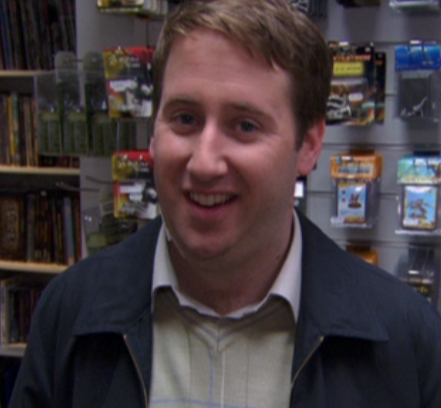
Jim Howick
Jim Howick

There’s Jim Howick, who has on different occasions taken the parts of Napoleon, Blackbeard, Richard III, George  IV, Pope Alexander VI, and Prince Albert.

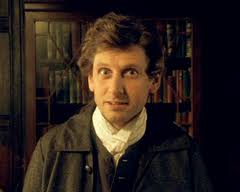
Matt Baynton
Matt Baynton

There’s Matt Baynton who is perfect as Mozart, Charles Darwin, Charles Dickens, Charles II, Shakespeare and Dick Turpin.

Simon Farnaby
Simon Farnaby

There’s Simon Farnaby, hilarious as The GrimReaper in “Stupid Deaths”, and entertaining as Caligula, St Augustine the first Archbishop of Canterbury, George III and numerous crazy or slightly dopey characters.

Laurence Rickard
Laurence Rickard

There’s Laurence Rickard who does a perfect high-speed round-up of the religious scene in Tudor times, via HH TV News.

Ben Willbond
Ben Willbond

There’s Ben Willbond whose Henry VIII is beguiling, and who also numbers among his roles such characters as George I, Alexander the Great, Adolf Hitler, Sir Francis Drake and Pythagorus.

Martha Howe-Douglas
Martha Howe-Douglas

And there’s Martha Howe-Douglas who’s utterly convincing as Elizabeth I, Cleopatra, Queen Victoria, Joan of Arc, or any one of a number of women in history, whether they be aristocrats or underdogs. 

So few actors and so many historical characters… they do  the highest and the lowest in the land with equal skill. Posh and rough; they inhabit every character perfectly. And the songs are pure inspiration, written and composed by Richie Webb, a genius in the background.

Of course there are many others too who ensure this TV programme is such a success – and that so many of us love Horrible Histories.

Other posts you might like to check out in my “People of Inspiration” series:

Part 1 – Paul McCartney

Part 2 – Rabbi Lionel Blue

Part 3 – Susan Boyle

Part 4 – Rob Parsons

Part 5 – Frankie Howerd

Part 6 – Gareth Malone

I’m on Instagram!

I have just joined Instagram:  www.instagram.com/scskillmanSheila signing Mystical Circles at book launch in Kenilworth Books

I’ll be posting pictures relating to my books and anything else that takes my fancy.

I’ll also be posting individual character pictures, and pictures relating to the themes of Mystical Circles.

Many of the pictures and photos will be created by my talented  media student daughter Abigail Robinson.

If you’re on Instagram I’d love it if you followed me!

The Great Gatsby – a Capacity for Hopefulness, Sparkling Decadence, and Tragedy That Touches Us All

The Great  Gatsby, written in 1925,  is one of the greatest American novels.

The Great Gatsby book

Yet its author, F.Scott Fitzgerald, died in 1940 believing himself a failure.

The Great Gatsby has been among my top favourites ever since I first read it, for my Contemporary American Literature course at university.

Two days ago I saw the latest  movie of The Great Gatsby, and was reminded once again of how powerful this story is.

Back in my undergraduate days, such was the effect of this novel on me, that one evening in the bar, when asked what I’d like to drink,  I requested mint julep.

My friend looked at me, and said reflectively, “they never even got round to drinking it, did they?”

And we both knew we were talking about that tragic scene in the Plaza Hotel, New York, in the later pages of Scott Fitzgerald’s novel.

I loved the new movie of the novel. Leonardo di Caprio and Toby Maguire were both excellent in the roles of Jay Gatsby and Nick Carroway.

And I asked myself yet again, Why does this novel touch me – and many others – so deeply?

For the answer to that, I must point you to one of the bloggers  I follow. Zen and the Art of Tightrope Walking writes: “A good book should return you to your reality better able and prepared to cope with new challenges“.

When the movie ended an audible sigh arose in the cinema – the kind of sigh people give which means, I recognise this as truth, in my own life.

These were the words that gave rise to the sigh:

They were careless people…they smashed up things and creatures and then retreated back to their money or their vast carelessness or whatever it was that kept them together.

One of the most outstanding things about the book for me is the sheer poetic beauty in Scott Fitzgerald’s writing.  Phrases from this book have stayed with me over the years, without any need to return to the book to check the quote:

Daisy and Gatsby looked at me  remotely, possessed by intense life

and

Gatsby bought a mansion where he dispensed starlight to casual moths

and finally, the famous end to the novel:

so we  beat on, boats against the current, borne back ceaselessly into the past.

Such is the symbolic power of the story, taking us from the immense wealth of a Long Island millionaire  lifestyle into the industrial dumping ground of the Valley of Ashes,watched over by the huge eyes of a long-forgotten oculist, Dr TJ Eckleberg, that I believe The Great Gatsby is the kind of book we should be  reading for our times, not pure  escapism.

As my fellow blogger, Vivienne Tufnell, notes, there is a tendency for people to respond to life’s toughness by “turning more to entertainment that is pure escapism.”

I believe the exact opposite can be said of The Great Gatsby, and that is why this powerful story endures.

Read The Great Gatsby for a tragic contrast between careless hedonism and accumulation of vast wealth, versus harsh reality. But don’t read it for escapist romance.

Controlling Women in History and Life: Bess of Hardwick and Tudor England

Controlling women are a recurring theme in my life.

Bess of Hardwick First Lady of Chatsworth by Mary S Lovell

Add to this a love of history.

And so when I found the book Bess of Hardwick: First Lady of Chatsworth by Mary S. Lovell, I felt impelled to read it.

It is said that only when a lesson is learned, does an issue stop recurring in your life.

And so when I read of one of history’s most outstanding controlling women, I am filled with ambivalent feelings.

Three of the strongest, most fascinating women in history – some would call them controlling, others charismatic – all lived in the most turbulent of times, and intersected each others’ lives with the highest emotional stakes.

They were Mary Queen of Scots; Elizabeth I; and Bess of Hardwick.

When I recently visited Hardwick Hall and Chatsworth in Derbyshire, I knew little of Bess of Hardwick. Now, having just finished reading Bess of Hardwick: First Lady of Chatsworth by Mary S. Lovell, I am fascinated by her. And I cannot read of a powerful historical figure like this without drawing parallels and making connections with this life, and my own; and the world I know and move in.

If I was to sum Bess up for those who’ve never heard of her, I’d say she was a one woman estate and property corporation, plus social and dynastic engineer.  She founded several of our great aristocratic families and greatest landowners. She was strong at a time when women were oppressed, manipulated and exploited.

She was a “Tudor entrepreneur”, absorbing knowledge from each of her four husbands, and applying it practically to far greater effect than they ever did.

I felt very sorry for her fourth husband the Earl of Shrewsbury. For he was caught up between these 3 strong women: Mary Queen of Scots, Elizabeth I & Bess of Hardwick. He ran up huge bills keeping Mary Queen of Scots captive; despite years of begging letters from him, Elizabeth I refused to pay him a penny for it;  and the Earl likewise spent years refusing to pay Bess any of the allowances he’d agreed to give her before they married.  And when his son broke into his bedchamber, following his death, he discovered there was indeed very little cash left in the Earl’s iron-bound coffers. In terms of liquid assets, the Earl had genuinely been run dry. No wonder the poor man ended up bitter, whining and querulous.

Early in her life, Bess was a feisty young woman who fought her corner shrewdly and relentlessly every step of the way, and made few mistakes.

Amongst her personal attributes, readers of this book will note perspicacity; vision; discernment; strategic planning; far-sightedness; a dignified and gracious bearing.

And all around her there swam those who were ruled by one or several of the following: greed, impatience, fecklessness, hot-headedness, lack of vision; lack of anger-management; lust; short-sightedness; tunnel vision.

I believe Bess succeeded because she was a wise and acute observer of human psychology, and applied it to the best practical effect throughout her life. What she did, she did with skill and balance. Where she took risks, she did so with psychology in mind. She was a master at networking, and choosing the right people to ask favours of, at the right time, in the right way.

We can all learn from her.

Bess of Hardwick: First Lady of Chatsworth reads like a morality tale about money, success and power.

Those who get it and keep it; those who get it and lose it; those who have a talent for letting it slip through their fingers; and the multifarious ways people with varying degrees of honour or dishonour behave around it.

Bess did make some mistakes – and one of these was her decision to hold captive her grand-daughter Arbella, who was in line to the throne, on an equal level with James I.

Bess was almost responsible for Arbella’s existence, having carefully engineered the coupling of Arbella’s parents for the very purpose of producing another heir to the throne.

But she imprisoned Arbella at Hardwick Hall, in almost the same manner as her 4th husband the Earl of Shrewsbury had tohold Mary Queen of Scots captive.

And not surprisingly, Arbella didn’t like it.

Things didn’t work out the way Bess hoped with Arbella – (which was that Arbella should become Queen of England after Elizabeth). If they had, it would have been Bess’s most triumphant achievement.

Instead Arbella’s fate was to make a forbidden marriage, to die a lonely, squalid death in the Tower, and to be written out of history.

Bess had plenty of bad luck and tragedy in her life but she always fought her corner and her personal strength brought her through.

This story reminds us, too, through the experiences of others in Bess’s social ambit, that in life there are those who do extremely well for many years, then make a massive error of judgement which ruins everything.

And there are others who spend years causing trouble and living fecklessly – who suddenly come upon a stroke of luck and find themselves in high favour.

But this can all be forfeited, once again, by poor judgement – or the intervention of fate.

All these elements of our own lives stand out in high relief against the political and social landscape of Tudor England – brutal punishment, hereditary succession, fortunes made and lost, sexual liaisons which threaten the throne, secret and fateful marriages and desperate bids for power.

If you love history, put this book on your list!

The Enduring Appeal of ‘A Kid With Spots’ in Fiction, TV, Movies & YouTube

There’s a character we love, in all forms of media.

Rory Barker, Researcher and Fall Guy on James May's Man Lab
Rory Barker, Researcher and Fall Guy on James May’s Man Lab

Is he the exciting hero? Is he clever, bold, handsome, courageous?

No. He’s a bit downbeat and low-key. A bit dumb. He drifts around in the background looking vacant.

And he’s the one we find most endearing.

He’s  Rory Williams in Doctor Who Series 5-7.

He’s Rory Barker, who started as Junior Researcher in James May’s Man Lab.

We love them!

They’re in fiction too.

PG Wodehouse traded on them in his comic novels. Step forward Gussie Fink-Nottle. He’s Bertie Wooster’s friend, with a face like a fish. Gussie who’s  ‘not quite with it’, he’s ‘caught up in his own world’ (which, in Gussie’s case, is an obsession with newts).

Sir Arthur Conan Doyle understood the archetypal power of this character too – in Dr John Watson, who seems dumb next to his brilliant colleage, Sherlock Holmes.

Among TV drama series we find Merlin. He plays this role for the benefit of Arthur, who doesn’t understand who Merlin truly is.

This character is ‘a bit of  dill’, ‘a bit simple’.

Arthur Darvill as Rory Williams in Doctor Who

And YouTube high-flyers like Charlie McDonnell also understand the appeal of this character. He’s under-stated, he’s self-deprecating.

Among young adult novels, The Declaration Trilogy by Gemma Malley has a character called Jude, who entered in the second novel of the trilogy, and who very quickly became my favourite character.

Ben Wishaw as Q in Skyfall James Bond

And in films we find Q in Skyfall – ‘a kid with spots’, as OO7 points out when he first meets him in an art gallery.

‘My complexion is hardly relevant,’ he says to Bond.

These characters are anti-heroes who endear themselves to us. Another name for this character-type is “the ingenue”.

Long live the anti-heroes.

Our love for them tells us something very heartening about human nature.