This is the fifth in my series of glimpses into the pages of my new book Paranormal Warwickshire which will be published by Amberley Publishing on 15th November 2020.
Gothic tower of St Marys Church Warwick at night – photo credit Jamie Robinson Paranormal Warwickshire SC Skillman
St Mary’s Church Warwick stands close to Warwick Castle, at the heart of England’s history. The church foundations date back 900 years, and it is believed a Saxon church stood here before the Norman conquest. The first Norman earl of Warwick began a collegiate foundation here modelled on the cathedrals of St Paul’s, Lincoln, York and Salisbury; and his son completed it in in 1123.
The Beauchamp Chapel, St Mary’s Church Warwick – photo credit Jamie Robinson
The church therefore has been a centre of faith for many centuries, and the rich atmosphere within this magnificent building bears testimony to that. St Mary’s holds many treasures, the greatest of which is the elaborate Beauchamp Chapel, commissioned by Richard Beauchamp, earl of Warwick from 1401 to 1439. The chapel today offers us a rare glimpse of medieval splendour, much of which was destroyed in English churches after the Reformation.
Gothic tower of St Mary’s Church Warwick. The earlier tower was destroyed in the Great Fire of Warwick in 1693. Sir Christopher Wren advised on the best location for the new tower and recommended that it be sited over the street (photo credit Sheila Robinson) Paranormal Warwickshire SC Skillman
Around and behind the church building we are drawn into a different world: in the graveyard, many curious tales are told by those who walk among the tombstones.
Gravestone of eight month old Mary Ann in the churchyard of St Mary’s Church Warwick. Curious anecdotes surround this and other graves of children in the south-eastern corner of the graveyard
This is the fourth in my series of glimpses into the subject of my new book Paranormal Warwickshire which will be published by Amberley Publishing on 15th November 2020.
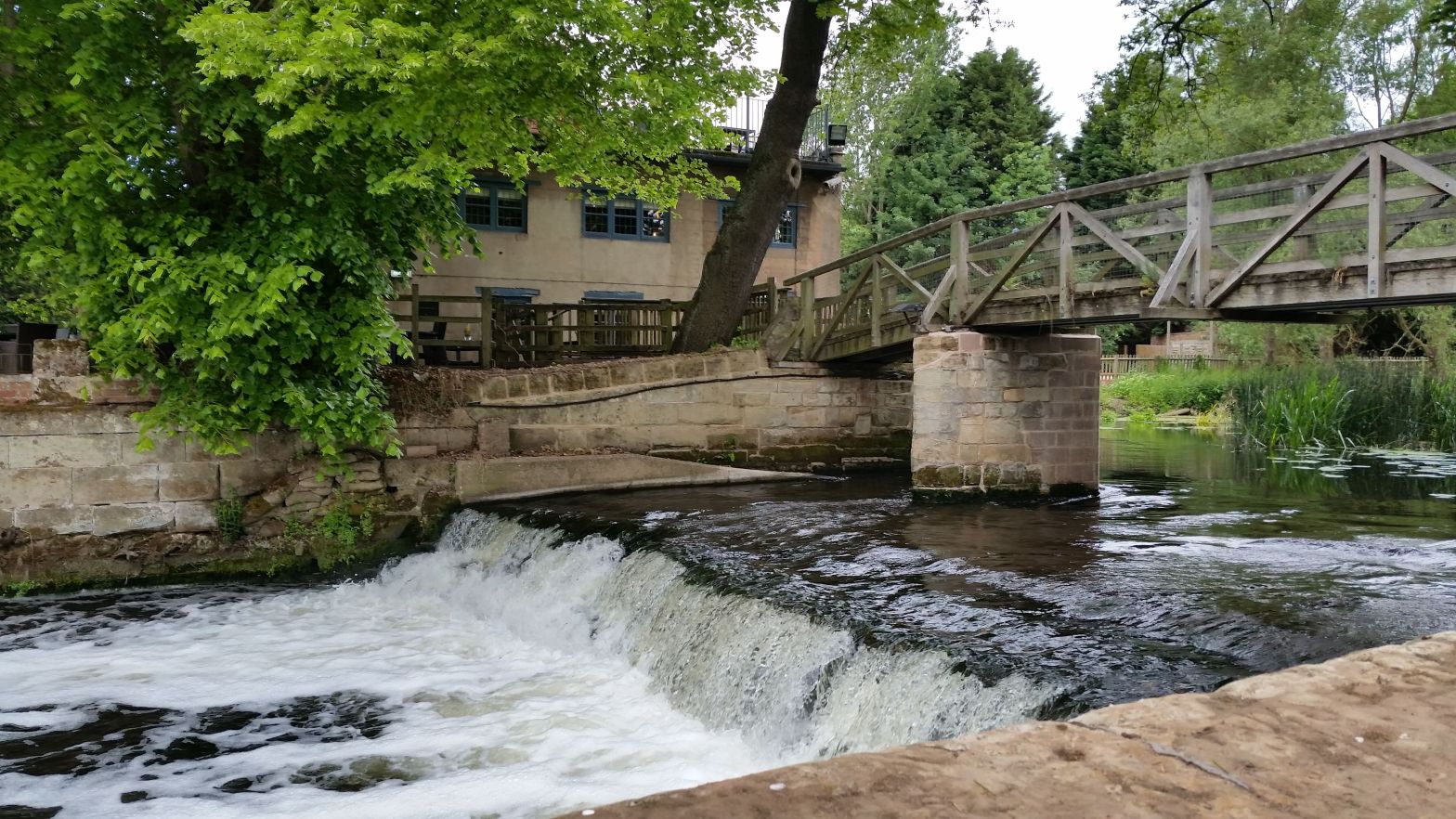
View of the Saxon Mill Warwick photo credit Abigail Robinson
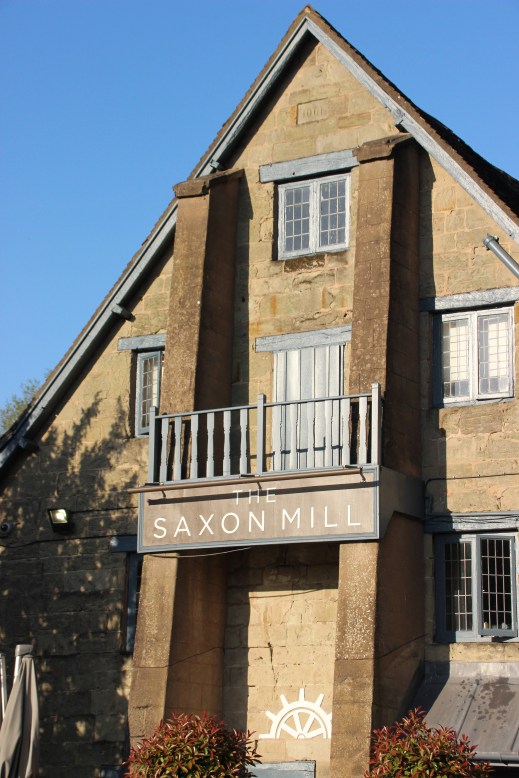
Today I feature two locations very near to my home: the Saxon Mill pub and eatery north of Warwick town, and Gaveston’s Cross, hidden in a wood on privately-owned land across the road.
Saxon Mill Warwick outdoor dining area photo credit Jamie Robinson
Both have a fascinating history, and are the scenes of haunting experiences. Many curious incidents have been recounted at these two locations. The Saxon Mill draws visitors not only for its hospitality, its menu and its bar; but also for the sheer romantic beauty of its setting on the river Avon, by the bridge across the weir, leading to Milverton Hill. As if this itself wasn’t enough, it provides the perfect site to view the poignant ruins of Guy’s Cliffe, across the mill pond and further up the river.
Guys Cliffe seen from Saxon Mill photo credit Abigail Robinson Paranormal Warwickshire SC Skillman
Of course curious anecdotes are related of the pub itself; and I include these in my book. But the most compelling stories are of visions experienced by those standing on the bridge or upon the riverside path opposite Guy’s Cliffe, as they gaze towards the ruined mansion.
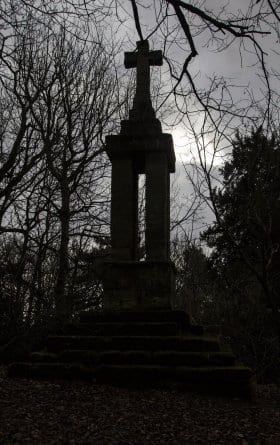
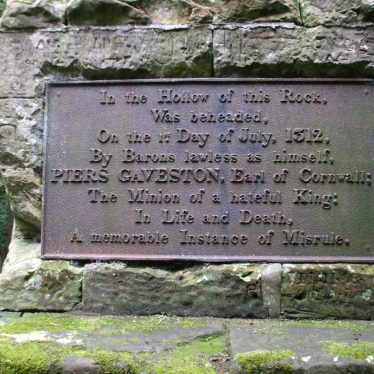
Meanwhile, further up the road from the Saxon Mill, we may find – if we are persistent enough – Gaveston’s Cross, hidden in a wood. The cross commemorates a murderous act of revenge by the then Earl of Warwick Guy de Beauchamp and his henchmen, in the year 1312, when Piers Gaveston, King Edward II‘s favourite, had finally pushed his luck too far.
We may however look to the year 1821, and to the colourful former owner of Guy’s Cliffe, Bertie Greatheed, for the reason as to why this monument is there at all. Bertie caused the cross to be erected on his land, in a direct line of sight from the top floor of his flamboyant gothic mansion. Bertie himself was a creative man, a writer, traveller and architect, a ‘child of the romantic era’ and I think it appealed to him to mark this example of human infamy, so he could see it whenever the mood took him.
So he caused the cross to be erected, and upon it was carved a fascinating inscription, full of wordy relish. I understand that the wording was devised by the local clergyman. It manages to heap recrimination on everyone involved, and simultaneously derive self-righteous glee from the wrongdoings of the past.
You can find out more about these two intriguing Warwickshire sites in my book Paranormal Warwickshire which will be published by Amberley on 15th November 2020, and can be pre-ordered here.
This is the third in my series of glimpses into the subject of my new book Paranormal Warwickshire which will be published by Amberley Publishing on 15th November 2020.
Guy’s Cliffe claimed its hold on my imagination from the first time I saw it, not long after I moved to Warwickshire twenty six years ago.
Guys Cliffe seen from Saxon Mill photo credit Abigail Robinson Paranormal Warwickshire SC Skillman
Clinging to a cliff alongside the river Avon north of Warwick, this ruined gothic mansion nearly fulfilled Shakespeare’s words in Two Gentlemen of Verona Act 5, Scene 4:
Leave not the mansion so long tenantless,
Lest, growing ruinous, the building fall
And leave no memory of what it was!
As in the case of all grand historical houses, this one has been vulnerable to the changing fortunes of the families who held it over the centuries, and in particular the use to which it was put, and the way it was treated, during the two World Wars. Some of these grand houses were saved, others not.
In this case, the mansion at Guy’s Cliffe, first built by wealthy landowner Samuel Greatheed in 1751, has survived the slings and arrows of outrageous fortune – but only in a ruined state. Today it teases and haunts those who view it, with its gothic architectural flourishes, thanks to the romantic imagination of its most colourful owner, Bertie Greatheed, whose influence is felt everywhere in Warwick and Leamington Spa.
Guys Cliffe entrance to the Courtyard photo credit Jamie Robinson. Paranormal Warwickshire SC Skillman
The full story is told in my book Paranormal Warwickshire, in which I repeat many curious anecdotes about this atmospheric ruin and its environs. During the course of my research, I interviewed the custodian Adrian King whose love of the history and the spiritual ambiance of this location is very evident; not least in the facts that he currently leads a major fundraising effort to restore the site, and also hosts popular ghost-hunting tours at this location.
The present ruinous condition of the mansion serves only to feed the imagination of all those who view it from the Saxon Mill, further down the river, and all those who tour the ruins as I did, with Adrian’s expert guidance.
Guys Cliffe as it appeared in 1900 photo credit Warwickshire County Record Office SC Skillman Paranormal Warwickshire
The land on which Guy’s Cliffe is built attracted ancient Celtic people and Christian hermits long before any structures existed here. According to 16th century historians, the combination of an idyllic glade with many clear streams above a steep rock full of caves… washed at the bottom by a crystal river proved irresistable to the Romans, cave-dwelling hermits, the Earl of Warwick, and chantry priests; and to many others.
The enduring legend of Guy of Warwick is centred upon this location, and the tragic tale of his wife, the lady Felice, and her fateful plunge from the cliff has imbued the site with its poignant aura.
John Rous, medieval historian and Chantry Priest at Guys Cliffe, writing in the year 1440, tells us of the Celtic monk St Dubritous who established the St Mary Magdalene Oratory here in the year 600
Now, the grounds of Guy’s Cliffe receive loving attention; clearance work and restoration of the formal gardens is underway and in the not too distant future, visitors may gain greater access to this beguiling location with its ruined mansion, the Chapel of Mary Magdalene with its statue of Guy of Warwick, its mysterious grounds and outbuildings, which never cease to deliver curious experiences and strange stories, right up to the present day.
Check out my previous posts on the subject of Guy’s Cliffe estate.
If you are interested in supporting the fundraising project headed by Adrian King do look here for further details.
You can read much more about Guy’s Cliffe in my book Paranormal Warwickshire which will be published on 15th November 2020 by Amberley Publishing. Pre-order the book here.
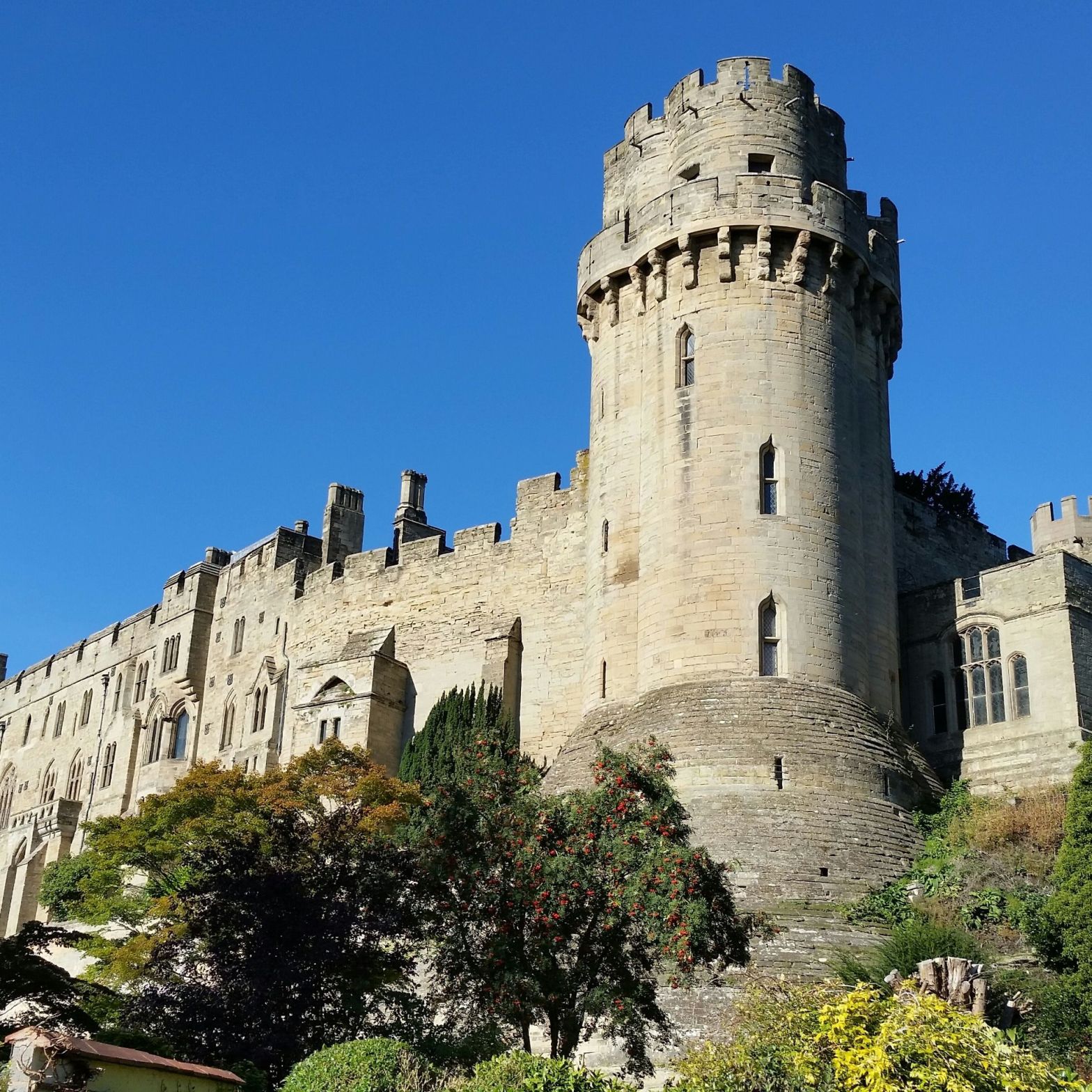
Warwick Castle view from town bridge black and white photo credit Jamie Robinson SC Skillman Paranormal Warwickshire
This is the second in my series of glimpses into the subject of my new book, Paranormal Warwickshire, which will be published by Amberley Publishing on 15th November 2020.
Here is the classic view of Warwick Castle, seen from the town bridge as you enter Warwick from the south. This magnificent medieval fortress makes a dramatic impact upon the visitor, a romantic vision crowning a cliff above the river Avon. Of course, I couldn’t write a book called Paranormal Warwickshire without including Warwick Castle.
Warwick Castle view from the island bridge photo credit Jamie Robinson Paranormal Warwickshire SC Skillman
The history of the castle spans over 1,100 years, as the first fortification was built here by Ethelfleda, daughter of Alfred the Great, in the year 914. A rich succession of stories and characters has kept this castle at the heart of English history ever since: by no means least among them being Richard Neville known as Warwick the Kingmaker (earl from 1449 to 1471) whose final battle is commemorated in The Kingmaker exhibition at the castle.
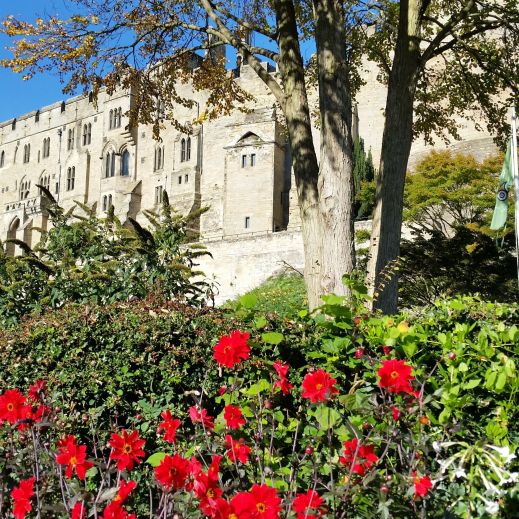
Warwick Castle view from the Mill Garden Warwick SC Skillman Paranormal Warwickshire
The castle is now owned and looked after by Merlin Entertainments and is one of England’s top tourist destinations. Whether you tour the castle’s State Rooms and Great Hall; descend into the dungeons; climb to the battlements and admire the view; stand atop the summit of Ethelfleda’s Mound; or view the majestic edifice from the island whilst enjoying a reconstruction of the Wars of the Roses – this site breathes glory, drama and high emotional stakes.
So, we might say, few paranormal tales here – and they have been reported by many – could escape the charge of being conjured up by the imagination.
But is that true of every single story told here? With such a large number of independent curious anecdotes, the weight of accumulated evidence tends to suggest “there are strange things going on behind the scenes.” I recount several stories about the castle in my book Paranormal Warwickshire. I examine the evidence for the most famous one, and consider whether or not it was conjured up by a cunning Earl of Warwick in order to attract visitors. I also come across a few new tales told by recent visitors.
Check out my other posts in this series, which I began on 14th August 2020 with Shakespeare’s Ghosts and Spirits, and which brings us up to the publication date of my book Paranormal Warwickshire – 15th November 2020.
The other posts in the series will cover the following locations:
Guy’s Cliffe, Warwick
Gaveston Cross and the Saxon Mill, Warwick
St Mary’s, Warwick
Kenilworth Castle
Abbey Fields, Kenilworth
Leamington Spa
St Michael’s Church, Baddesley Clinton
Stoneleigh Abbey
Thomas Oken’s House, and the Lord Leycester Hospital, Warwick
Rugby Theatre and other Rugby locations
Nuneaton locations
Ettington Park Hotel, Stratford-upon-Avon
The Royal Shakespeare Theatre, Stratford-upon-Avon
This is the first of a series giving you a few tasters from my book Paranormal Warwickshire which will be released by Amberley Publishing on 15th November 2020.
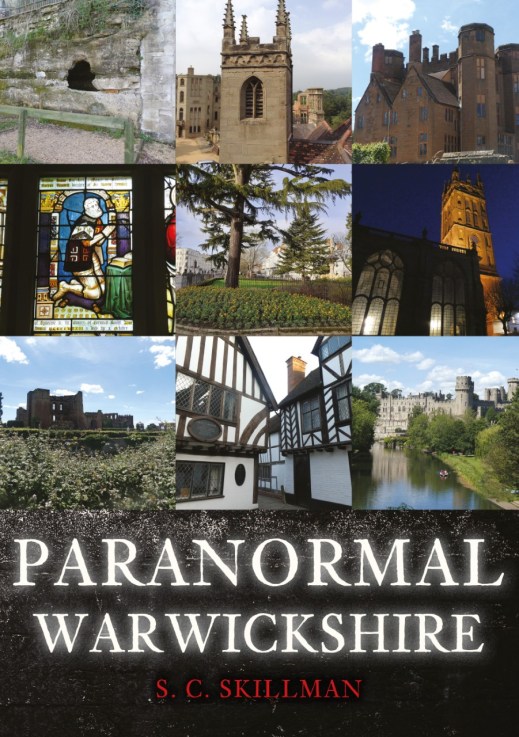
Paranormal Warwickshire by SC Skillman cover design. Published Amberley 15 November 2020
Warwickshire is a county steeped in the supernatural, as befits the county of Shakespeare and the many ghosts and spirits that he conjured up in his works. In Paranormal Warwickshire I investigate the rich supernatural heritage of this county at the heart of England in places both grand and everyday, including Guy’s Cliffe, the Saxon Mill, Kenilworth Castle, Warwick Castle, Stoneleigh Abbey, and the Royal Shakespeare Theatre, as well as in the towns of Rugby, Nuneaton and Leamington Spa.
When I began my book, I was inspired by the spiritual resonance of so many locations in Shakespeare‘s county of Warwickshire. It seemed entirely appropriate to draw all the stories together through the central theme of Shakespeare’s ghosts and spirits.
Shakespeare’s plays are full of these supernatural encounters and characters. In Julius Caesar, Brutus, tormented by guilt, is haunted by the ghost of murdered Caesar.
Brutus and the Ghost of Caesar from Shakespeare’s Julius Caesar. Painting dated 1802. Image sourced from Wikimedia Commons
In Hamlet, the Prince of Denmark, grief-stricken and betrayed, agonises over whether or not he is visited by the spirit of his father.
Hamlet and his father’s ghost. Shakespeare’s Hamlet. Painting by John Gilbert. Image sourced from Wikimedia Commons.
In Macbeth , the king of Scotland (whose name many actors are too superstitious to mention), cannot believe he is the only person who sees Banquo’s spirit at the feast…
The Ghost of Banquo at the Feast. Shakespeare’s Macbeth. Image sourced from Wikimedia Commons.
Alongside those who witness the apparitions, we have some wonderful sceptical foils or sounding boards. Cassius in Julius Caesar is convinced Brutus’s vision was just the power of his imagination. In Hamlet, Horatio tells his troubled friend that it is but a fantasy. Antigonus in The Winter’s Tale says he has heard but not believed the spirits of the dead may walk again.
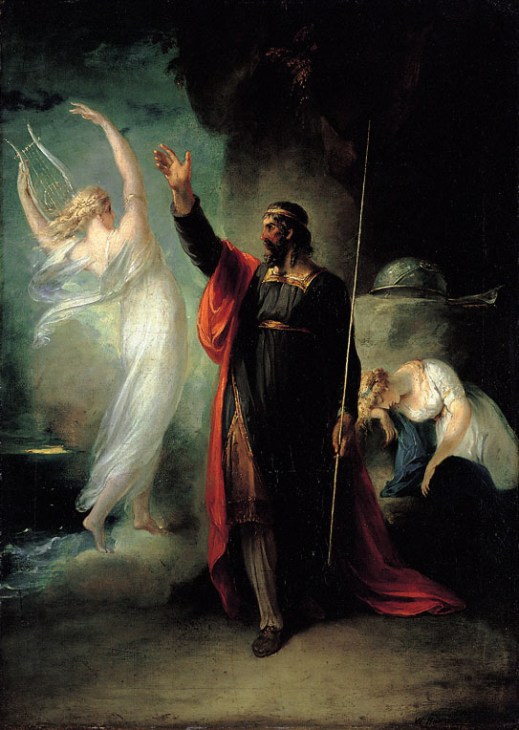
And as for spirits, either they are serving the will of the magician Prospero in The Tempest…
Prospero, Ariel & Miranda from Shakespeare’s The Tempest. Painting by William Hamilton. Image sourced from Wikipedia.
Puck, a Sprite. Painting by Arthur Rackham. Image sourced from Wikimedia Commons.
But in the end, are they but airy nothing, to which the poet’s pen gives a local habitation and a name?
Whether they are purely dramatic devices, or whether Shakespeare himself believed in ghosts and spirits, we cannot definitively say. Scholars and Shakespearean actors and lovers of the Bard differ in their views. But one thing we can say for sure; they fired Shakespeare’s imagination to the highest degree, and he lavished upon them great poetry, humour, playfulness and mischief, the heights of powerful drama, the depths of despair, guilt and existential angst, and his most discerning observations of mental distress.
Throughout my book Paranormal Warwickshire I have used quotes from Shakespeare. In every case I found a quote which I believe resonates with how I feel about the place.
Perhaps Shakespeare would have been surprised to know that four hundred and twenty years into the future, a belief in ghosts and spirits would prevail with such strength in our society. Or perhaps he wouldn’t. He reached to the heart of the human condition, and the emotions and dilemmas he presents are fresh and vivid and relevant to us today. So I confirmed when I toured many places in his county, Warwickshire, and found not only spiritual resonance from the rich stories associated with these places, but many people who have tales to recount, of experiences for which they can find no scientific explanation.
Check out some of my previous posts on the subject of Shakespeare:
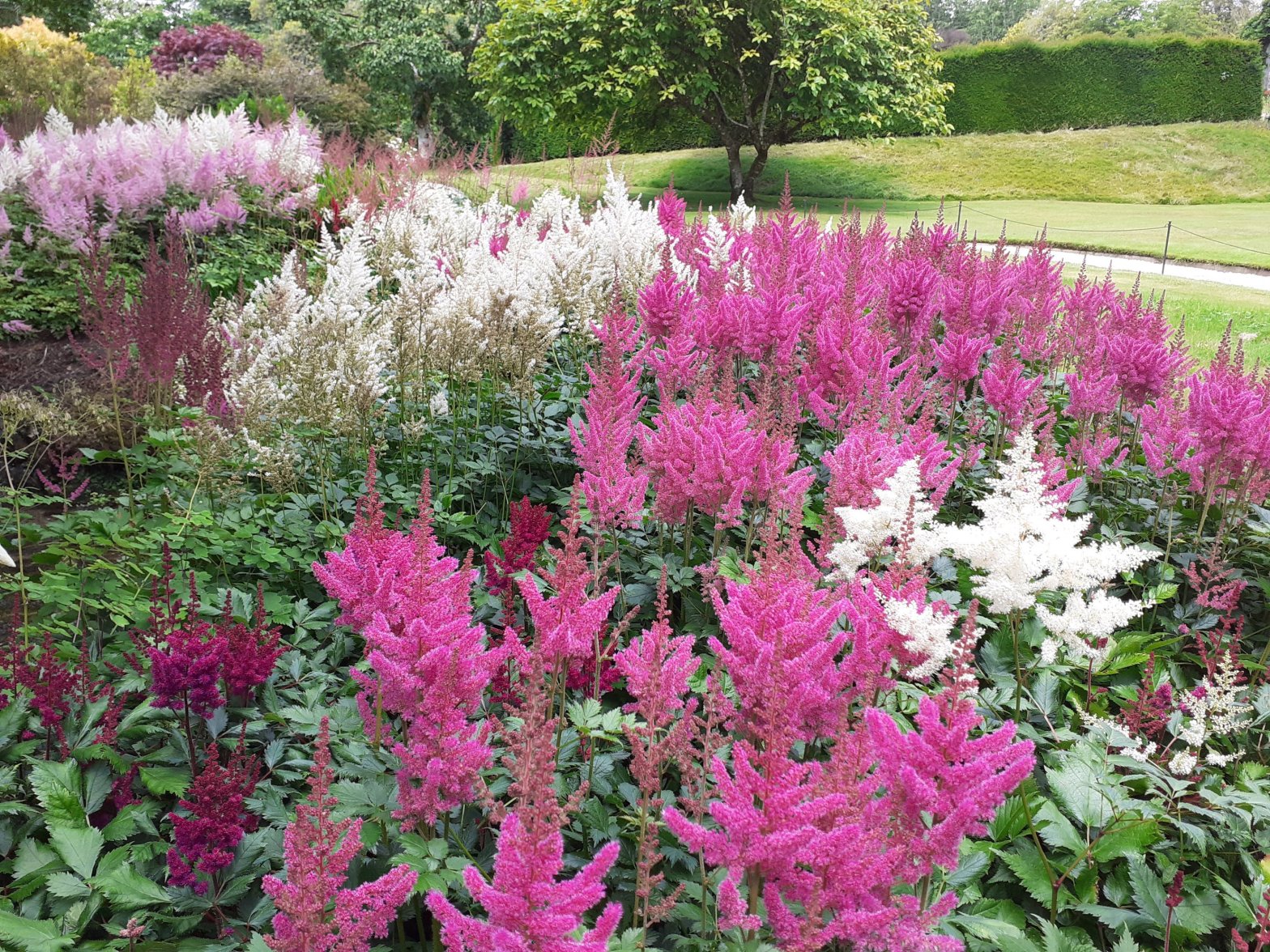
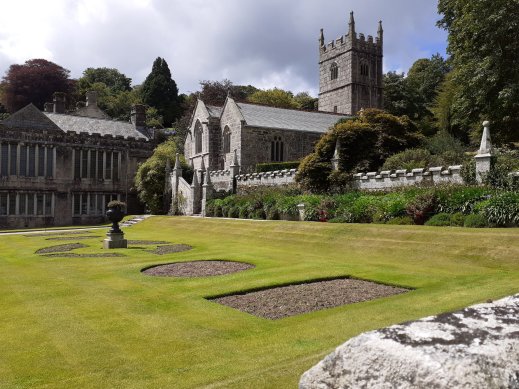
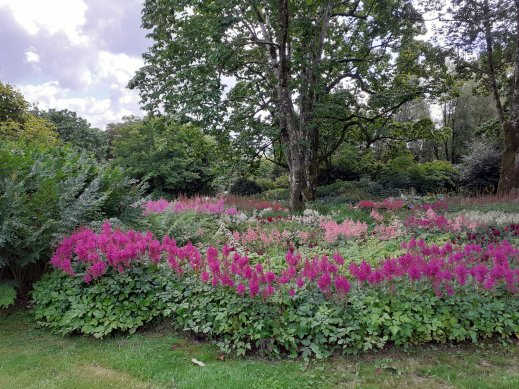
A vast parkland, a major historical house which has so many associated buildings clustered around it, alongside its own church, it seems like a village in itself – and a garden of ingenuity, beauty and variety, which surprises and delights you as you explore its paths, its structure and colourful planting: this is Lanhydrock.
views Lanhydrock House National Trust Cornwall SC Skillman
Closer to the house and church, on our July 2020 visit, we could see that the gardeners have been hard at work during the UK Covid19 lockdown, preparing the beds for new planting, which shows us the perfect symmetrical layout waiting for the lines to be softened with a kaleidoscope of colours and shapes and textures.
views Lanhydrock House National Trust Cornwall SC Skillman
With every bend of the path we come upon new vistas which satisfy our innate sense of proportion and design, please the eye and fill us with a sense of peace and harmony.
garden design Lanhydrock National Trust Cornwall SC Skillman
Explore the thoughts and feelings of other bloggers who have been inspired by the gardens at Lanhydrock: Shoffmire, roadeveron and ilovecornwall8.
And do check out the previous posts in my Cornwall mini series.
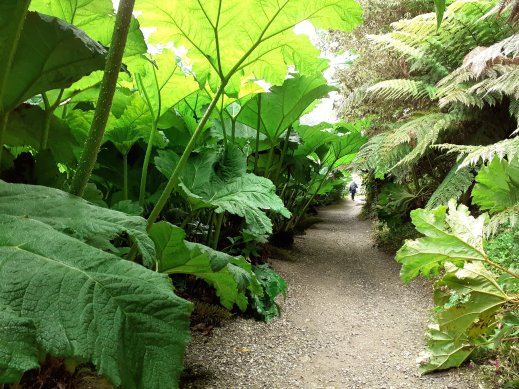
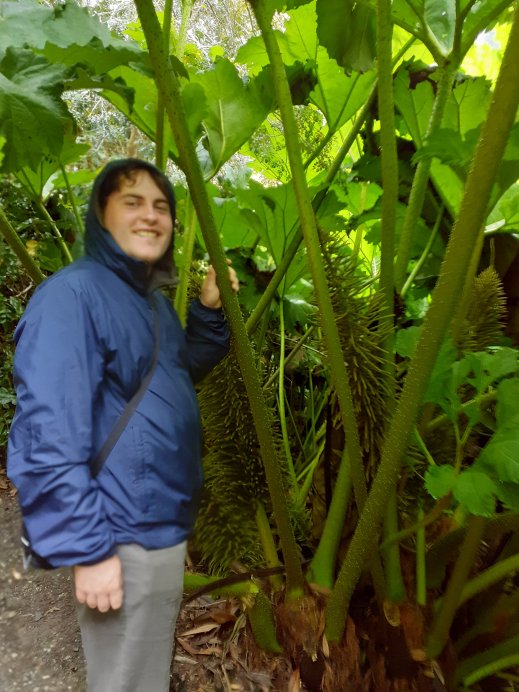
A giant gunnera tunnel, lush subtropical vegetation, vibrant flowers of many colours, and a journey through an imaginative and intriguing landscape: as you will find when you visit this lovely part of Cornwall, Trebah Garden becomes a series of portals to different worlds.
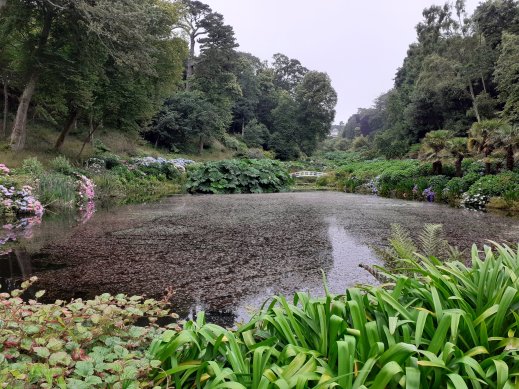
views Trebah Gardens Cornwall SC Skillman
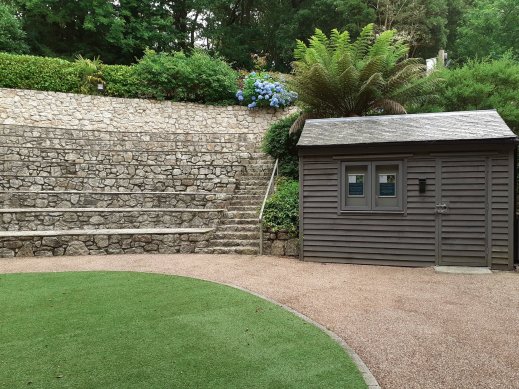
The path draws you into the heart of different areas which yield up a variety of feelings, memories, reflections. In the centre of the garden we come upon an auditorium used for theatrical performances.
Though no performances were taking part at the time of our visit due to the recent Covid19 lockdown, we could imagine ourselves into the acting arena, into the responses of the audience, as we contemplated this empty space full of creative possibilities, taking a rest before breaking out into a reawakening.
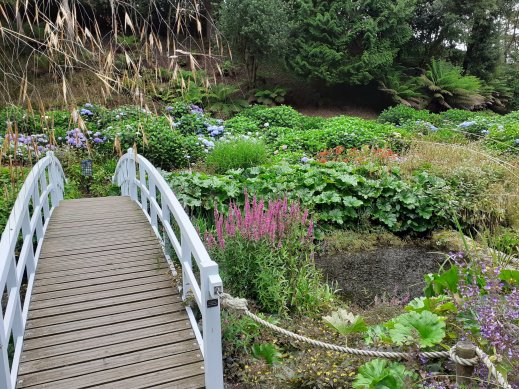
Your journey tempts you on through glorious shrubs, trees and exquisite blossoms past a quiet pool and an inviting white bridge…
white bridge pool Trebah Gardens Cornwall
… and ultimately leads you down to Trebah’s own private beach at Polgwidden Cove.
In addition to this, you’ll find an excellent restaurant at Trebah: the post-Covd19-lockdown arrangements were immaculate, and the vegetarian tart we chose for lunch a perfect taste sensation.
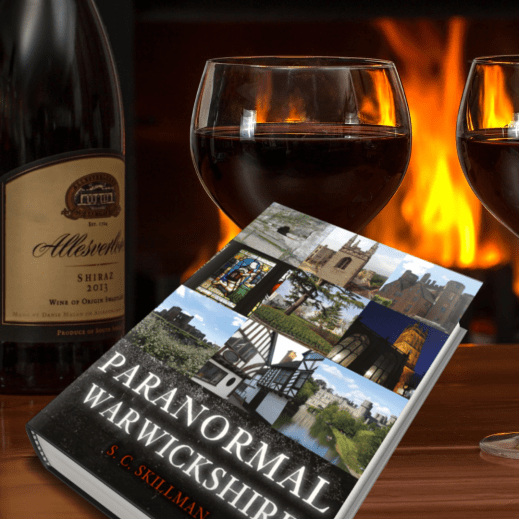
Paranormal Warwickshire fireside read published Amberley 15th November 2020
On this blog I will be featuring a series of glimpses into the book, and sharing some of the photos from the book alongside a few tasters from each of the places I have visited.
Warwickshire is a county steeped in the supernatural, as befits the county of Shakespeare and the many ghosts and spirits that he conjured up in his works. In Paranormal Warwickshire I investigate the rich supernatural heritage of this county at the heart of England in places both grand and everyday, including Guy’s Cliffe, the Saxon Mill, Kenilworth Castle, Warwick Castle, Stoneleigh Abbey, and the Royal Shakespeare Theatre, as well as in the towns of Rugby, Nuneaton and Leamington Spa.
The series Glimpses of Paranormal Warwickshire begins on Friday 14th August 2020.
The previous post in this series describes the glorious gardens at Trellisick National Trust, on the Fal Estuary. From Trellisick, motorists and pedestrians may take the King Harry ferry across the River Fal, and then travel on to St Mawes.
St Mawes Cornwall SC Skillman
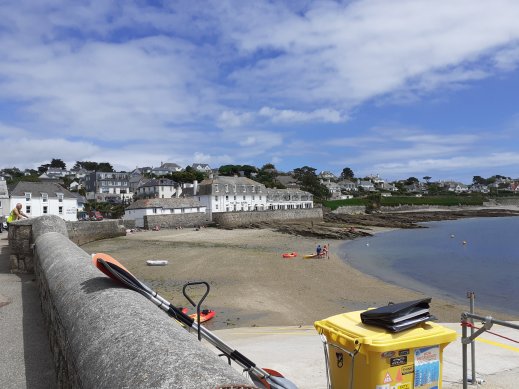
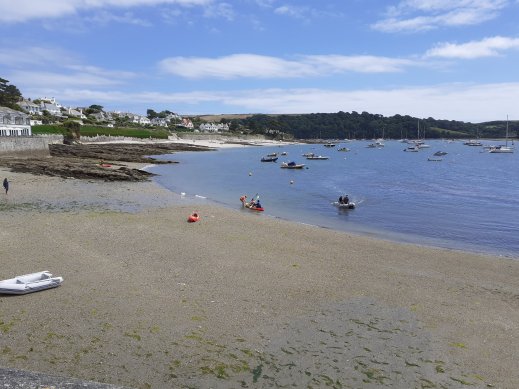
We found St Mawes a peaceful and charming fishing village, on the Roseland Peninsula opposite Falmouth. It was quiet when we visited, as the UK Covid9 lockdown had only just been relaxed, and few visitors were to be seen.
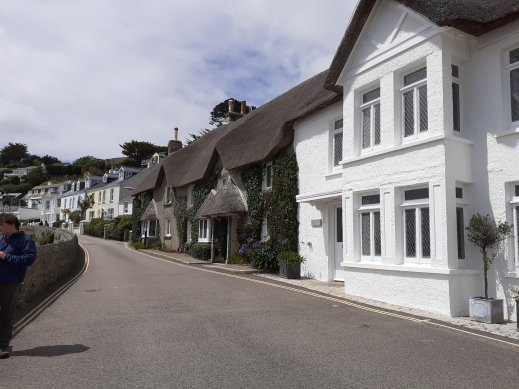
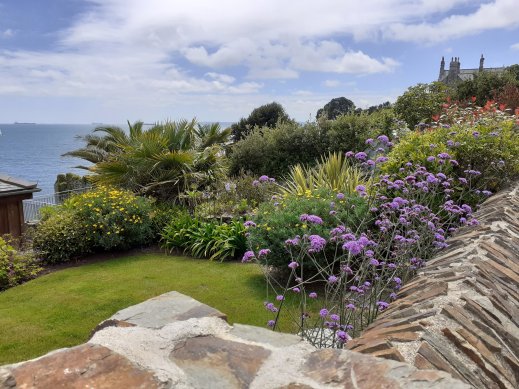
As we strolled through the village, we were particularly struck by the fresh, gleaming appearance of the seafront cottages. It seemed to us that all the owners of those cottage must have made good use of the lockdown, and were now looking forward to welcoming new holidaymakers.
seafront cottages St Mawes Cornwall SC Skillman
As we strolled along through the centre of the community, we noticed a painter at work on the scaffolding and were tempted to ask him if he was working his way through every house in the village!
We gazed ahead to the castle of St Mawes as we made our way along the seafront: the twin of the castle opposite, across the water at Pendennis Point.
Stroll through St Mawes towards Castle Cornwall SC Skillman
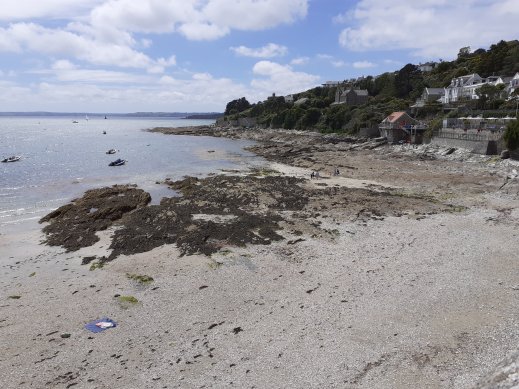
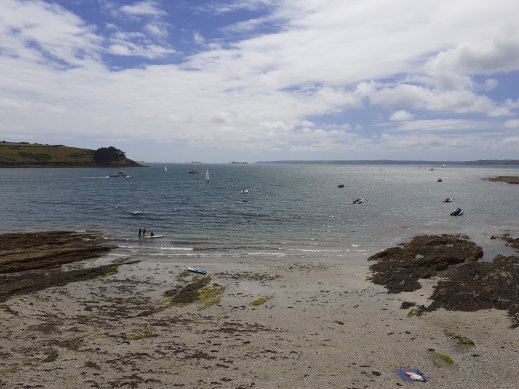
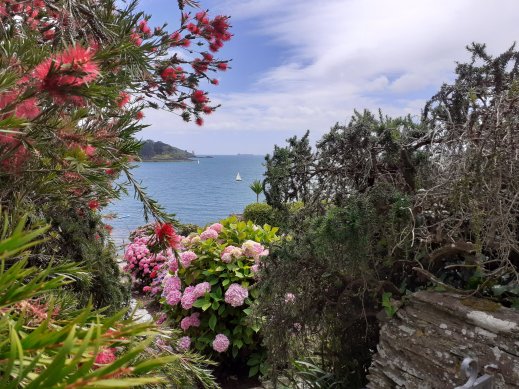
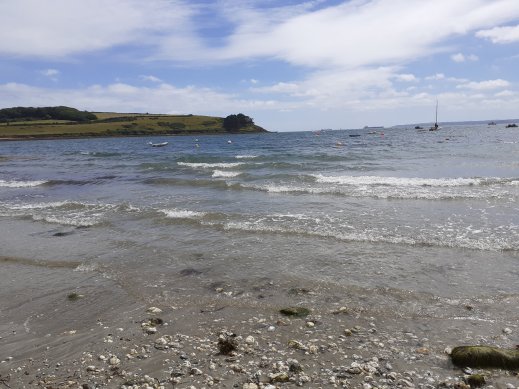
The atmosphere was dreamlike and tranquil; a contemplation of space through the vistas of water, beach, boats, and seafront flowers, which all contributed to this vision of a small community and an unhurried pace of life.
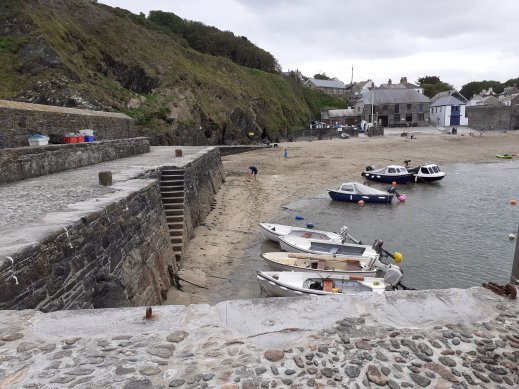
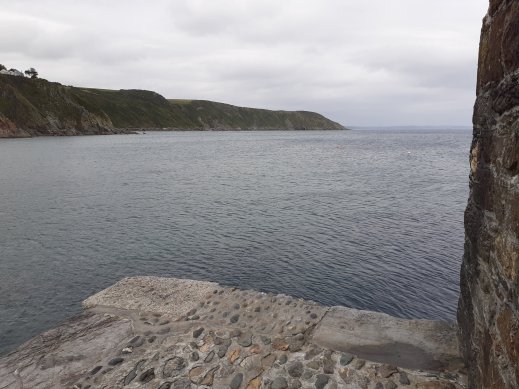
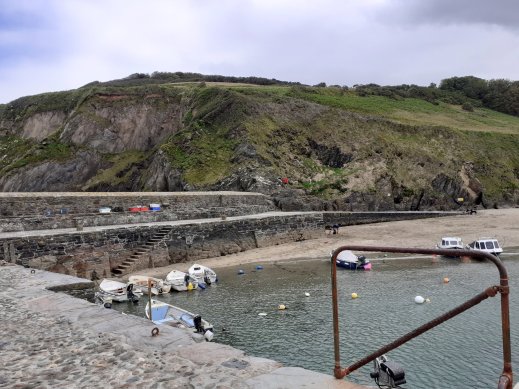
Later, we drove around the Roseland Heritage Coast to Gorran Haven. Again, we delighted in the tranquil atmosphere, as we walked along the harbour wall.
Harbour, Gorran Haven, Cornwall. SC Skillman
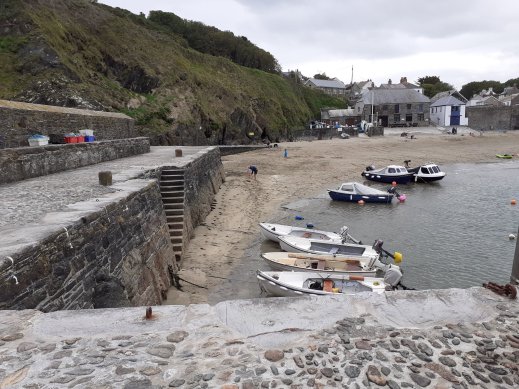
Although these small communities need their visitors and tourist trade to flourish, nevertheless we did value the opportunity to experience them in this brief, precious interlude before people start gaining the confidence to go on holiday again after the lockdown.
harbour Gorran Haven Cornwall SC Skillman
Have a look at some other bloggers’ thoughts and feelings on these lovely fishing villages of the Roseland Heritage Coast. The Travelhack and Kayakfishing blog on St Mawes and Kayakfishing blog on Gorran Haven.
Do check out the previous posts in my Cornwall mini series.
View from Trellisick to Fal Estuary Cornwall SC Skillman
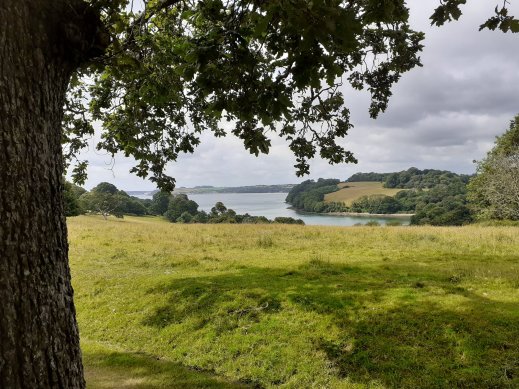
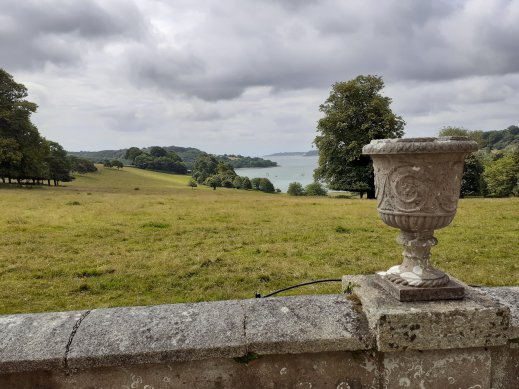
What an enchanting location this is for a grand house: situated on the Fal estuary in Cornwall, views across to the water are to be glimpsed from the terrace at the back of the house, and also from many places in the parkland.
View from the terrace at the rear of the house at Trellisick, onto the Fal Estuary Cornwall
View of the Fal estuary from the parkland at Trellisick
View from Trellisick to Fal Estuary Cornwall SC Skillman
As one of my friends on social media remarked, grand houses like those in the possession of the National Trust always remind him of Cluedo. Here at Trellisick, we weren’t able to go into the house due to the Covid19 restrictions, but certainly I was tempted to gaze through the windows of the orangery and imagine which part of the plot might unfold in there behind the giant terracotta urns…
Trellisick National Trust Fal Estuary Cornwall SC Skillman
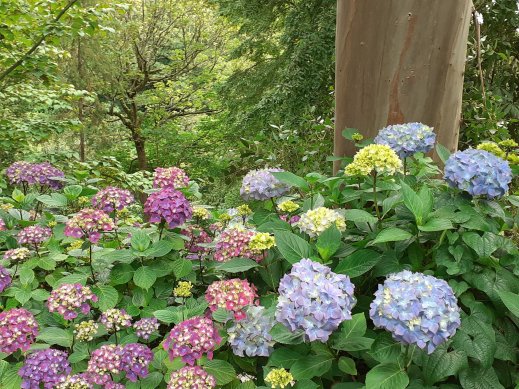
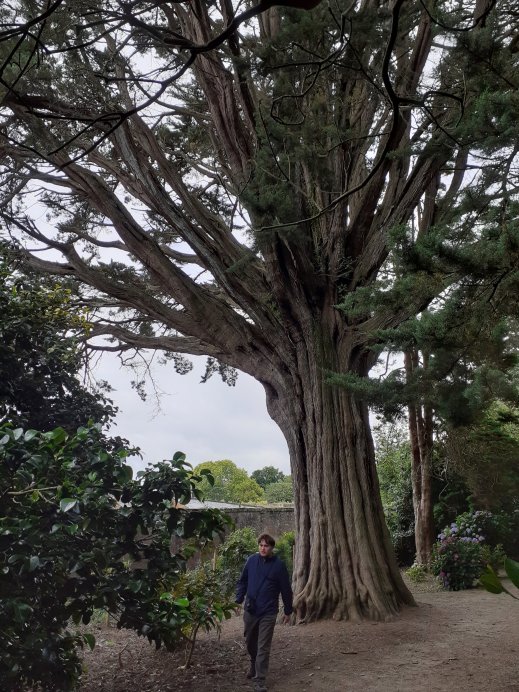
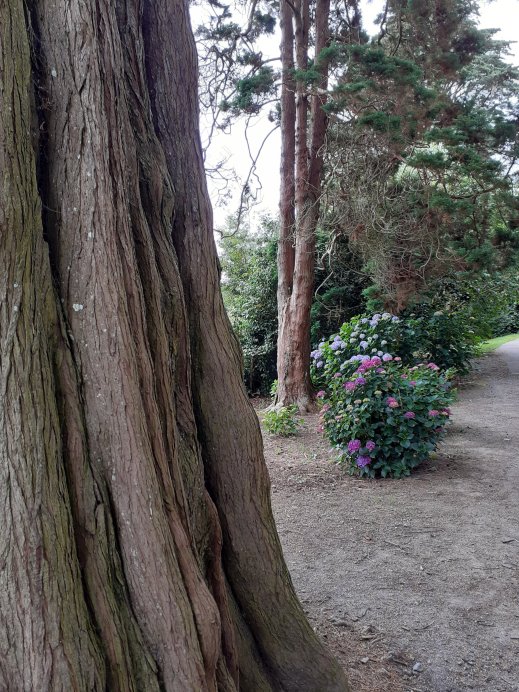
Moving round into the gardens, it seemed every bend of the path brought new vistas and new delights.
Gardens Trellisick National Trust Fal Estuary Cornwall SC Skillman
The gardens at Trellisick National Trust, Fal Estuary, Cornwall
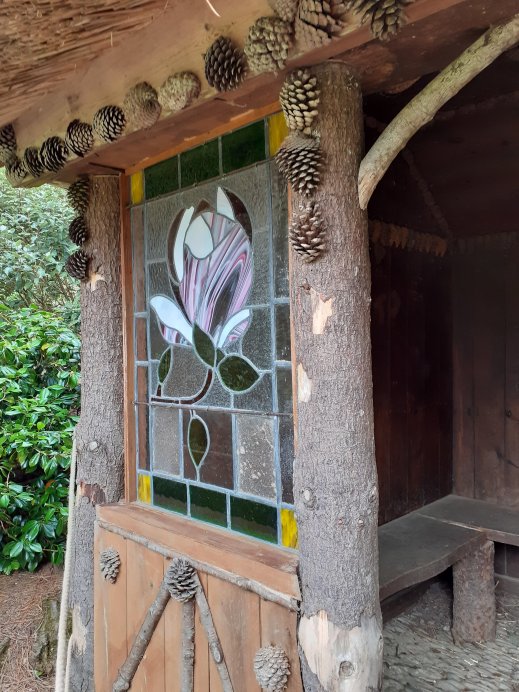
I loved a gazebo in the gardens with stained glass windows which was decorated with natural objects; fir cones had been embedded into the design and created an exquisite fairytale effect.
own to the King Harry Ferry which carries motorists and pedestrians across the river Fal and is the best route to take from Trellisick if you are, as we were, planning to visit St Mawes later. You might like to check out some other bloggers’ thoughts, feelings and information about the glorious gardens here at Trellisick: Tinbox Traveller; Trellisick ranger blog, and Trellisick garden blog.
Walk through gardens Trellisick Fal Estuary Cornwall
Check out the previous posts in my Cornwall mini series.


















































 scskillman.com